
Following a high-stakes NATO summit in Ankara, Turkey, Air Force One is scheduled to make a highly anticipated stop at RAF Mildenhall in the United Kingdom.
LONDON — The brief visit to the Suffolk airbase is being framed by Washington as a celebratory gesture toward American service members stationed abroad. However, aviation experts note that the layover is primarily driven by geographical and meteorological realities.
A Presidential Gift or Technical Necessity?
President Donald Trump took to social media to praise the deployment, framing the stop as an exclusive opportunity for American military personnel.
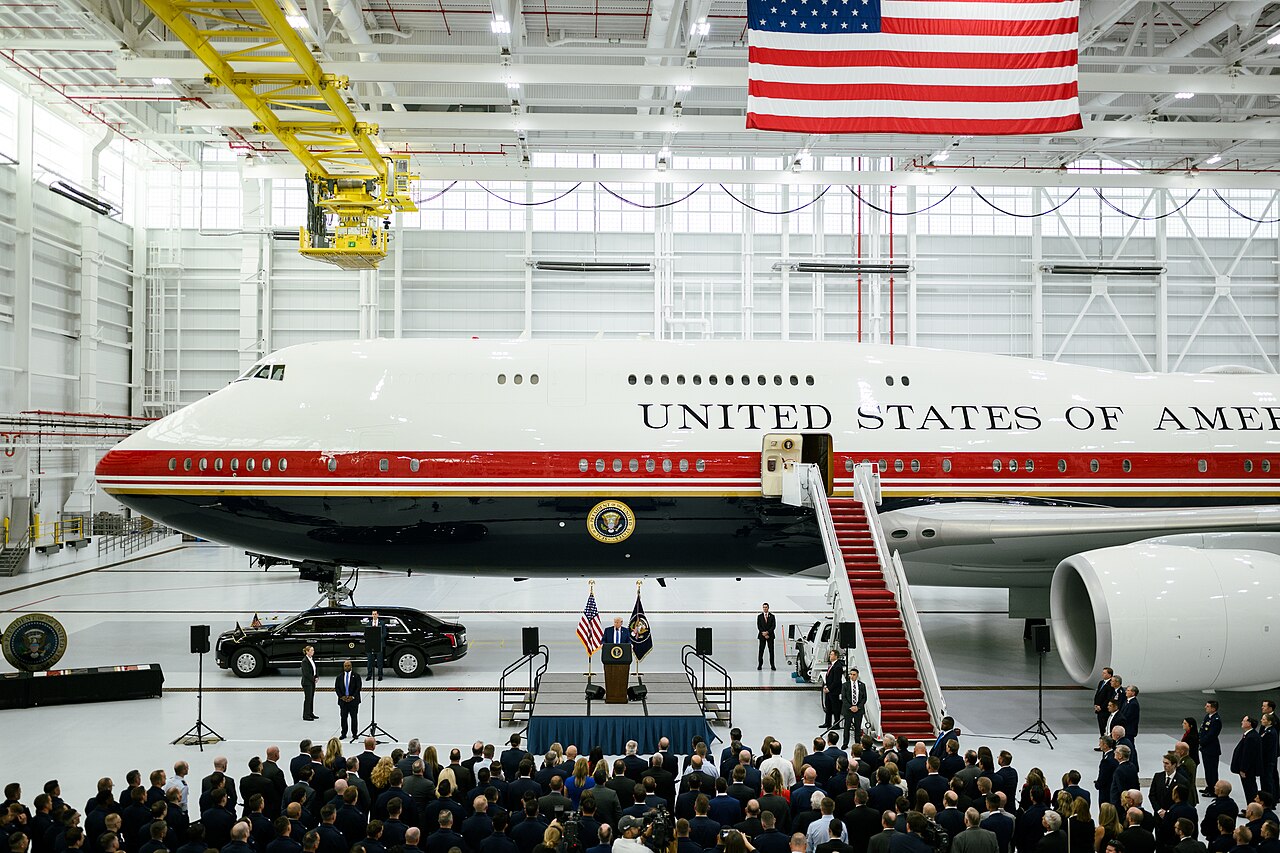
“To honor our brave men and women of the Military, we are sending the brand new, and truly spectacular, Air Force One to Mildenhall Air Force Base, in the United Kingdom, to give them a chance to tour the Aircraft,” President Trump stated.
While the opportunity to tour the modified presidential aircraft is a massive morale booster for the troops stationed at the base, aviation analysts point out that the stop is standard procedure for transatlantic flights heading west.
While the initial flight from Camp Springs, Maryland, to Ankara benefited from favorable tailwinds—allowing the massive jet to make the journey non-stop—the return trip is a different story. Flying from east to west across the Atlantic forces the aircraft to battle intense oceanic headwinds. These headwinds significantly increase fuel consumption, turning a routine transatlantic hop into a logistical stretch that frequently requires a refueling stop in Western Europe. RAF Mildenhall, which serves as a vital U.S. Air Forces in Europe (USAFE) hub, is the traditional choice for such operations.
Leaving the Summit Behind
The aircraft is expected to depart Ankara shortly, wrapping up a tense two-day NATO summit dominated by heated debates over alliance defense spending and escalating regional conflicts.
The heavily secured presidential aircraft will spend just a few hours on the tarmac in the UK. During this brief window, ground crews will execute a rapid refuel while selected military families and personnel get a rare close-up look at the modern crown jewel of the U.S. military fleet before it finalizes its journey back to the United States.