


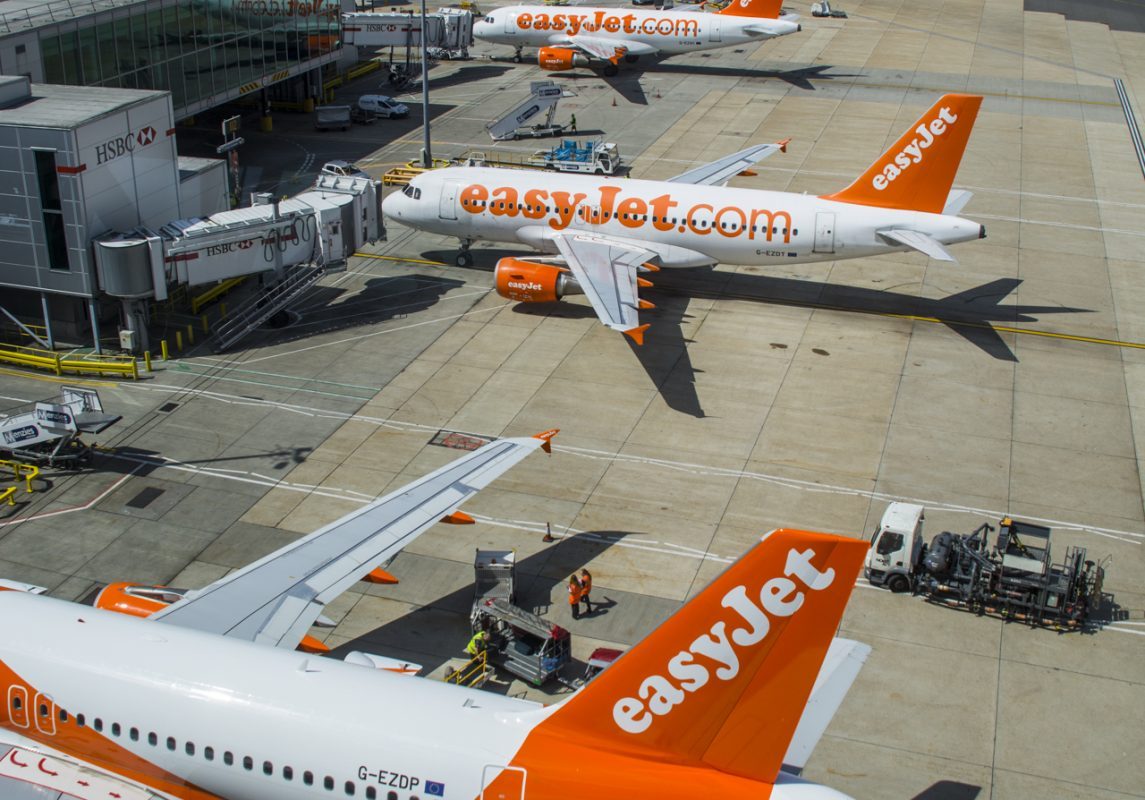
LONDON — In a major shakeup for European aviation, British budget carrier easyJet has agreed in principle to a £5.2 billion ($6.9 billion) takeover by U.S. private investment firm Castlelake LP, ending weeks of intense corporate maneuvering.
The agreement, announced Sunday evening, comes after easyJet’s board successfully held out against four previous bids from the Minneapolis-based asset manager. Castlelake’s fifth and sweetened offer of 690p per share in cash finally broke the deadlock, convincing a previously resistant board to change its tune.
From “Highly Opportunistic” to a Recommended Deal
Prior to Sunday’s breakthrough, easyJet’s board had stood firm against Castlelake, uniformly rejecting the firm’s advances. Earlier bids—ranging from 625p to 650p per share—were publicly blasted by the airline as “highly opportunistic” attempts to buy the carrier “on the cheap” during a period of market volatility caused by high fuel costs and fluctuating summer booking trends.
However, the extra premium on the fifth bid proved to be the turning point. In a statement to the stock market, the easyJet board confirmed that the latest 690p-per-share proposal is at a level it would be “minded to recommend to shareholders,” should a firm offer be finalized.
“Castlelake has emphasised its tremendous respect for easyJet and its people, along with its intention to support its future growth and transformation to a stronger, more resilient European airline,” the companies said in a joint statement.
Why Castlelake Wants easyJet
While the budget airline sector has faced macroeconomic headwinds, easyJet possesses unique, highly defensive strategic assets that make it a glittering prize for private equity:
- Premium Airport Slots: Unlike ultra-low-cost rivals like Ryanair, which favor secondary airports, easyJet owns an incredibly valuable portfolio of landing slots at highly capacity-constrained hubs. Chief among these are London Gatwick, Milan Malpensa, and Geneva. These slots are virtually impossible for new entrants to acquire and secure a steady stream of business and leisure travelers.
- The All-Airbus Advantage: easyJet operates a highly efficient, streamlined all-Airbus fleet. Castlelake has already noted it strongly supports easyJet’s ongoing modernization plans to transition to newer, more fuel-efficient Airbus Neo aircraft, which will help insulate the airline from spikes in jet fuel pricing.
- Powerful Short-Haul Network: The airline maintains one of the strongest, most interconnected short-haul networks across Western Europe, backed by a rapidly growing and highly profitable “easyJet Holidays” division.
Navigating Complex Regulatory Skies
Because Castlelake is a U.S.-based fund, the path to a completed buyout requires navigating strict post-Brexit and European Union aviation laws. Regulations mandate that airlines operating within the UK and EU must remain majority owned and controlled by regional nationals to keep their flying rights.
To bypass this hurdle, Castlelake has designed an intricate bidding vehicle where its own stake is capped at 49%. The remaining 51% will be held by EU and UK nationals. To ensure operational credibility, Castlelake has partnered with two highly experienced aviation veterans to spearhead the structural transition:
- Peter Bellew (Former Chief Operating Officer of both easyJet and Ryanair)
- Mark Breen (Head of Oneiros Aerospace aviation consultancy)
What Happens Next?
The agreement in principle has given Castlelake limited access to easyJet’s internal commercial books to finalize its due diligence. Under UK takeover regulations, Castlelake has been granted an extension and now has until 5:00 PM on August 3, 2026, to either announce a firm intention to make an offer or walk away.
If finalized, the deal will take Britain’s largest low-cost carrier private, marking a historic exit from the London FTSE 250 index.