

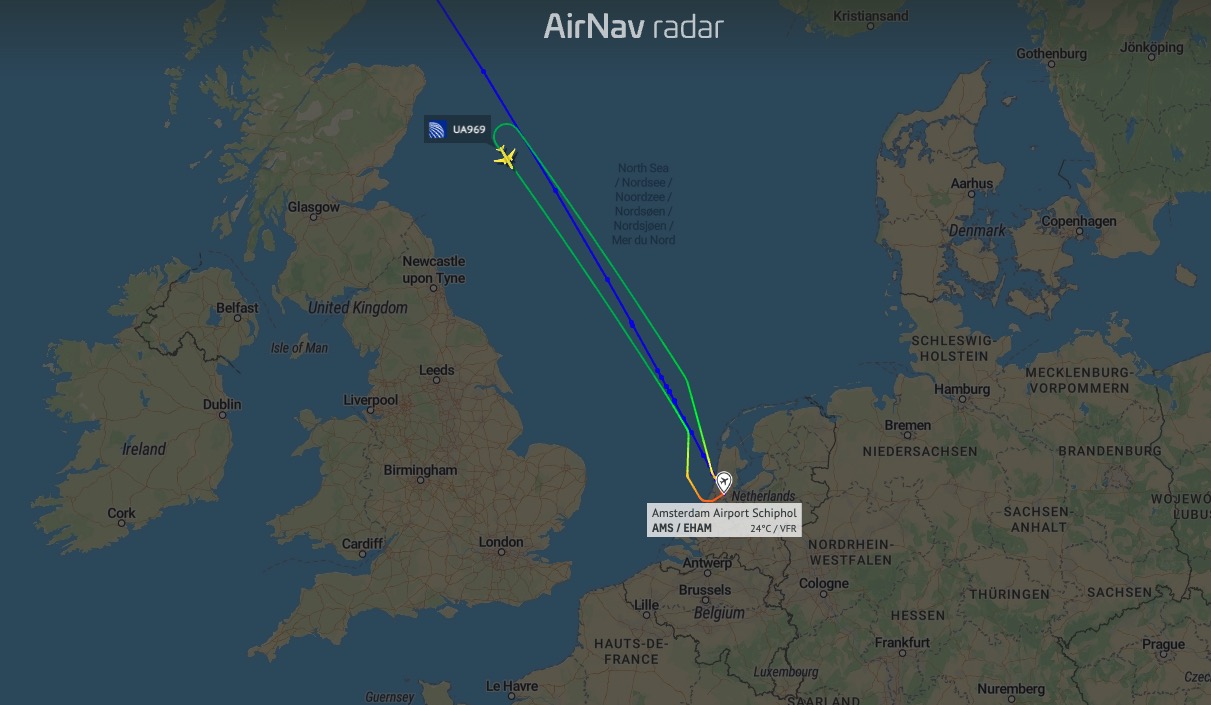
AMSTERDAM — A United Airlines transatlantic flight turned into a marathon nearly 24-hour ordeal for passengers on Sunday, after a persistent technical glitch forced an immediate U-turn, an unscheduled domestic diversion, and a massive itinerary delay.
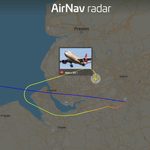
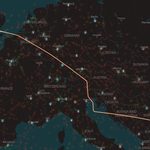
United Airlines Flight UA969, a regularly scheduled direct service from Amsterdam Schiphol Airport (AMS) to San Francisco International Airport (SFO), finally arrived in California early Monday morning, nearly 9 hours behind schedule.
A Double-Diverted Journey
The timeline of the flight highlights the logistical hurdles faced by the crew and passengers:
- Initial Departure from Amsterdam
Sunday, 3:00 PM CEST
Flight UA969 departs Amsterdam Schiphol on time, bound for San Francisco. - Mid-Air Technical Issue & Return
Sunday, 4:45 PM CEST
After climbing to an altitude of 32,000 feet, the flight crew identifies a technical malfunction roughly 45 minutes into the journey. The decision is made to turn back, landing safely back at Schiphol Airport. - Second Takeoff
Sunday, 6:45 PM CEST
Following two hours on the ground to address the technical issues, the same aircraft takes off again from Amsterdam to resume its trip across the Atlantic. - Diversion to Newark
Sunday Evening EDT
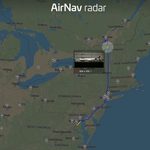
While over the Atlantic or nearing the U.S. coast, further complications arise, forcing the aircraft to divert to Newark Liberty International Airport (EWR) instead of flying directly to California. - Final Leg to California
Late Sunday Night EDT
After processing the aircraft at United’s East Coast hub, the plane finally departs Newark for the final cross-country stretch.
The Aging Airframe
The aircraft at the center of the disruption is a 29-year-old Boeing 777-200ER, registered as N785UA. Delivered to United Airlines in the late 1990s, it is one of the older active widebody twins in the carrier’s international fleet.
While older commercial aircraft undergo rigorous, regular maintenance overhauls to remain airworthy, aging airframes are statistically more prone to component failures that can trigger complex cascading delays, especially on demanding long-haul routes.