
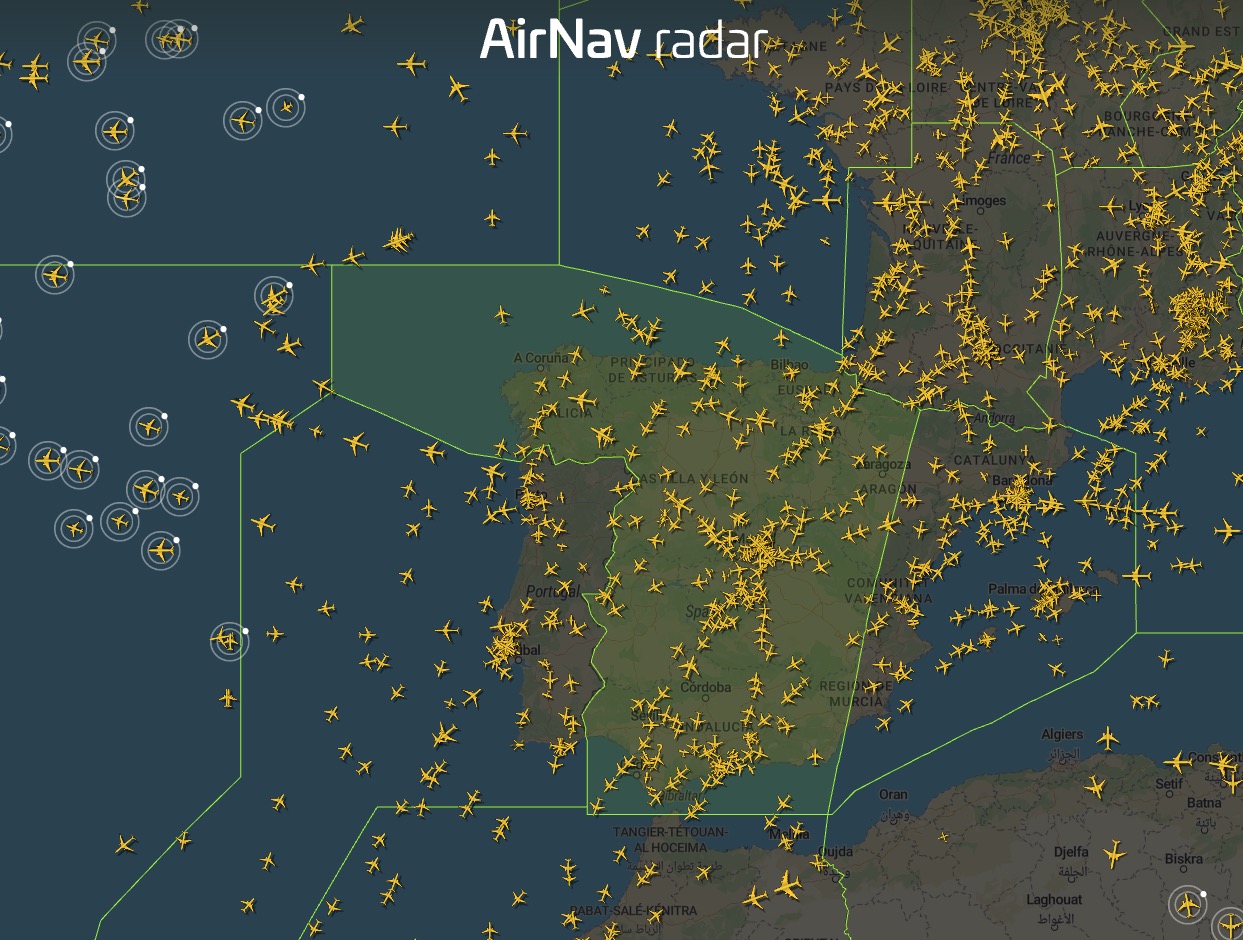
In a major diplomatic rift within NATO, the Spanish government officially closed its airspace on Monday to all United States military aircraft involved in “Operation Epic Fury”.
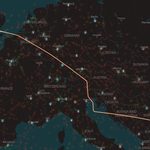
MADRID — The decision, announced by Defense Minister Margarita Robles, marks a significant escalation from Madrid’s previous refusal to allow the U.S. to use jointly operated military bases on Spanish soil. The move effectively forces U.S. aircraft—including those stationed in the United Kingdom and France—to reroute around the Iberian Peninsula, adding significant logistical hurdles to “Operation Epic Fury.”
“Profoundly Illegal and Unjust”
Speaking to reporters in Madrid, Minister Robles was firm in the government’s stance, citing a lack of international legal mandate for the strikes.
“This was made perfectly clear to the American military and forces from the very beginning,” Robles stated. “Neither the bases are authorized, nor, of course, is the use of Spanish airspace authorized for any actions related to the war in Iran.”
Prime Minister Pedro Sánchez has been one of Europe’s most vocal critics of the U.S.-led intervention, repeatedly describing the military actions as “illegal, reckless, and unjust.”
Impact on U.S. Operations
The closure creates a strategic “no-go zone” in Southern Europe for U.S. tankers and bombers. According to military sources cited by El País, the ban includes:
- Direct Combat Sorties: No bombers or fighter jets involved in the Iran strikes may transition through Spanish sky.
- Aerial Refueling: KC-135 tankers, previously moved from Spain to France and Germany, are barred from using Spanish airspace to support missions.
- Third-Country Flights: The restriction applies even to aircraft departing from non-Spanish bases, such as RAF Fairford in the UK.
Emergency exceptions remain the only caveat; aircraft in immediate distress will still be permitted to land or transit for safety reasons.
Rising Tensions with Washington
The move has drawn a sharp response from the White House. U.S. President Donald Trump has previously threatened Spain with trade repercussions and a potential full trade embargo in response to Madrid’s lack of cooperation.
Economy Minister Carlos Cuerpo addressed these concerns Monday, stating the decision was a matter of principle: “This is part of the decision already made by the Spanish government not to participate in or support this war, which was begun unilaterally and violates international law.”
As U.S. forces relocate assets to Ramstein Air Base in Germany and other more “cooperative” hubs, the fracture within NATO continues to widen, highlighting a growing European unease with the unilateral nature of the current Middle East campaign.