

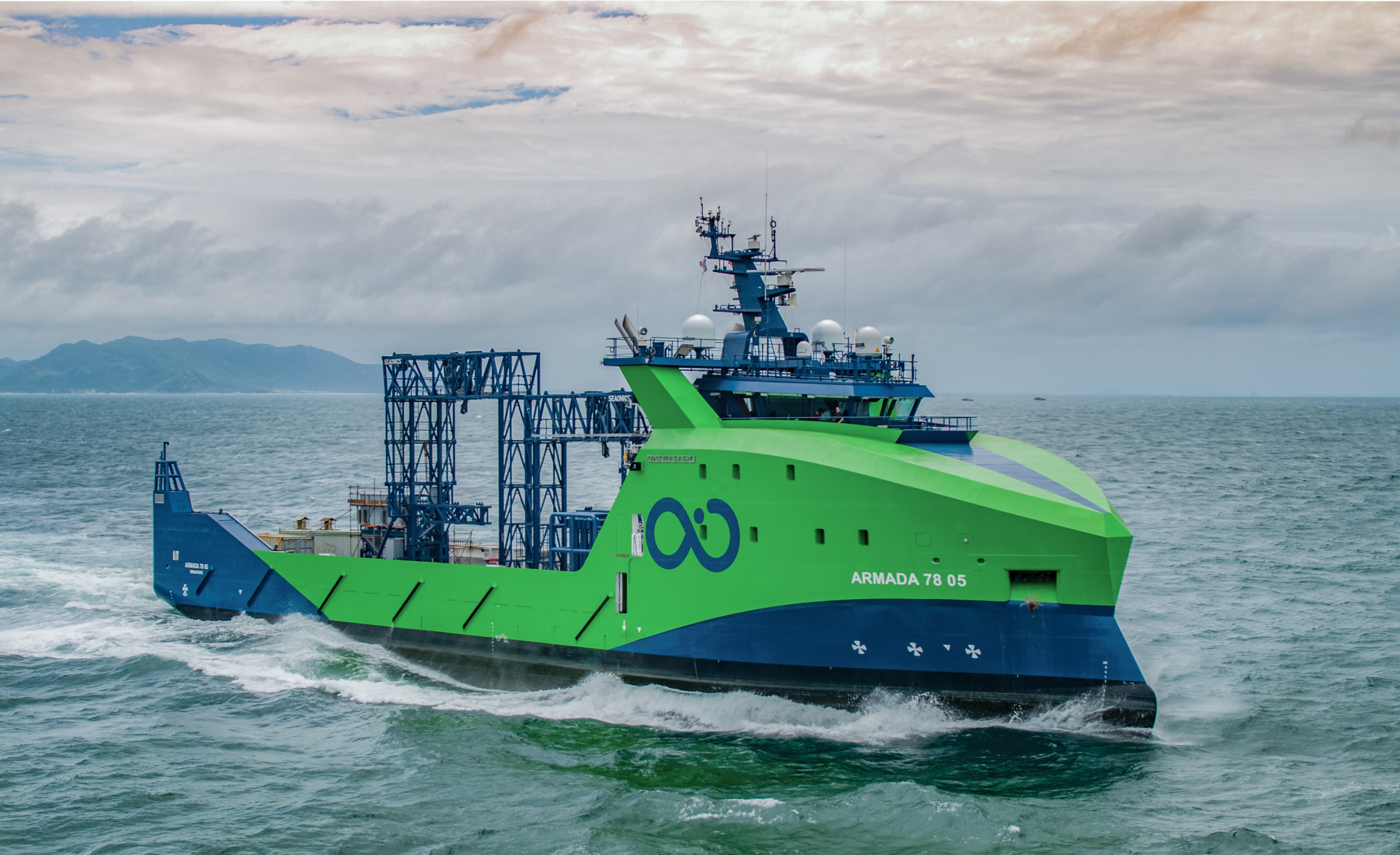
KUALA LUMPUR — The Malaysian government has officially extended its agreement with deep-sea exploration firm Ocean Infinity for an additional 12 months, keeping the search alive for the missing wreckage of Malaysia Airlines Flight MH370.
Malaysian Transport Minister Anthony Loke Siew Fook announced on Monday that the country’s Cabinet approved the extension, which runs from July 1 through June 30, 2027. The decision breathes new life into the hunt for the Boeing 777, which vanished over 12 years ago on March 8, 2014, with 239 people on board.
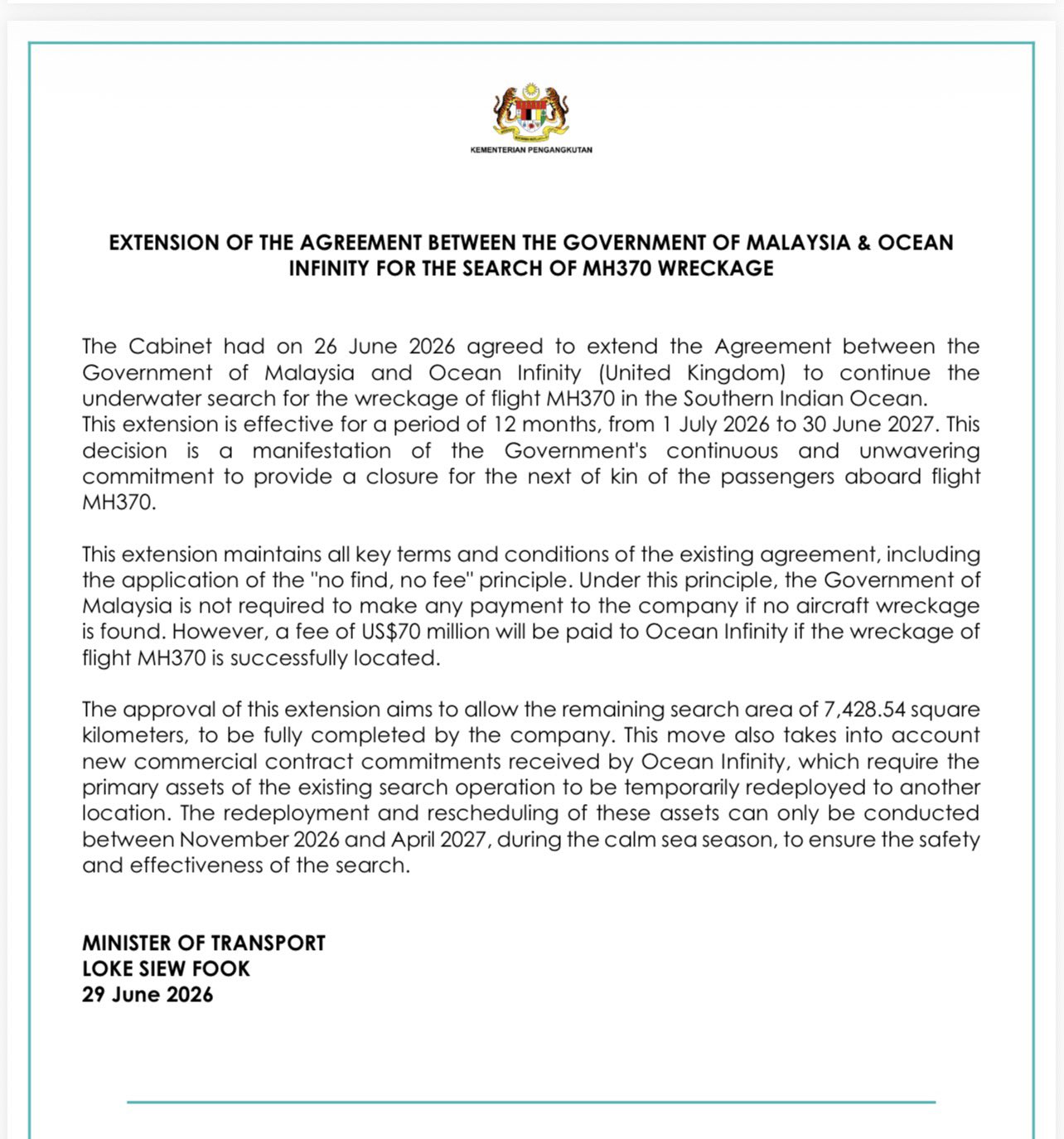
The updated agreement maintains all core terms of the initial 2024 framework, notably preserving the strict “no find, no fee” clause. Under this high-stakes arrangement, the UK-based marine robotics company will only receive a payout of US$70 million if it successfully locates the aircraft’s primary wreckage.
Completing the Grid
According to Minister Loke, the 12-month extension is specifically designed to allow Ocean Infinity to finish scanning the remaining $7,428.54 square kilometers ($2,867 square miles) of a highly targeted search grid in the southern Indian Ocean.
The operation, however, will face a scheduled pause later this year. The extension accounts for Ocean Infinity’s existing commercial commitments, which will require the company to temporarily redeploy its primary naval assets between November 2026 and April 2027 before returning to complete the MH370 sweep.
“This decision is a manifestation of the government’s continuous and unwavering commitment to provide closure for the next of kin of the passengers aboard flight MH370,” Loke said in a formal statement.
A Decade of Dead Ends
Flight MH370 disappeared from radar screens while en route from Kuala Lumpur to Beijing. Despite becoming the most expensive search effort in aviation history—including a massive three-year, A$200 million surface and underwater sweep led by Australia, Malaysia, and China that wrapped up in 2017—the main fuselage and the aircraft’s critical flight data recorders have never been found.
While more than 30 pieces of suspected debris have washed ashore along the African coast and various Indian Ocean islands over the last decade, only three wing fragments have ever been conclusively linked to the missing jetliner.
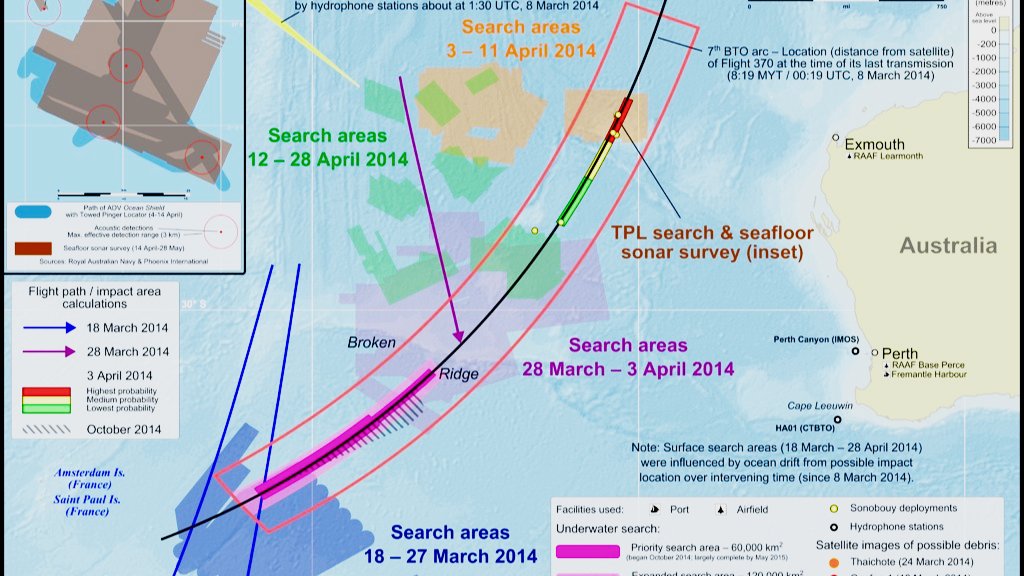
Investigators have long maintained that satellite data indicates the plane ran out of fuel and crashed off the coast of Western Australia, though the lack of physical evidence has fueled endless speculation and conspiracy theories. For the families of the 227 passengers and 12 crew members, this latest extension represents what could be the final, tech-driven opportunity to solve one of modern history’s greatest aviation mysteries.