


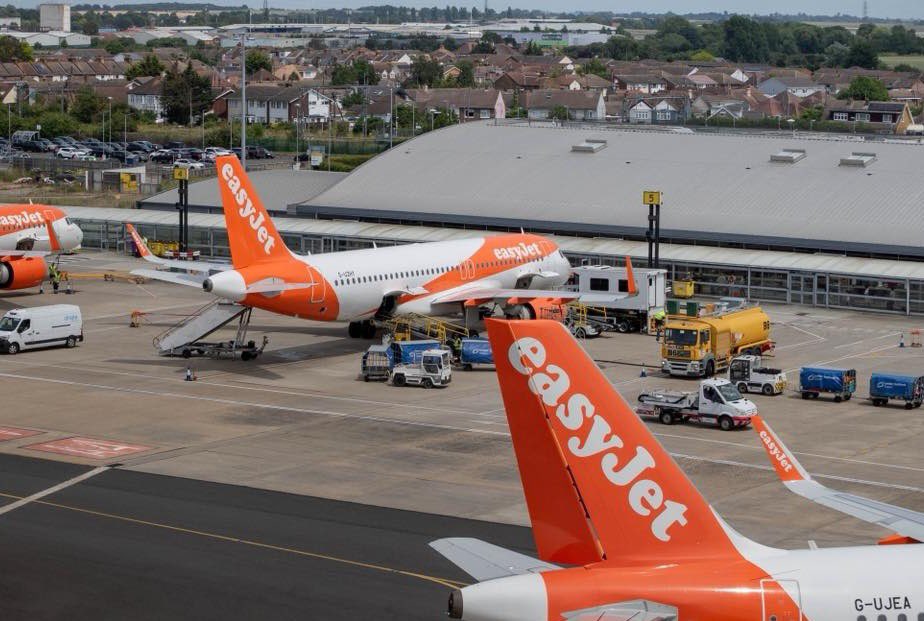
Passengers aboard an easyJet flight bound for Malaga were met with an unusual ultimatum: give up your seat or nobody leaves the ground.
SOUTHEND, UK – The incident occurred on April 11 aboard flight U2 7008. As the aircraft sat on the tarmac at London Southend Airport, the pilot made a startling announcement over the tannoy, informing the cabin that the plane was simply too heavy to safely take off.
A Choice Between People or to Leave Luggage at the Airport
The dilemma presented to those on board was stark. To meet strict safety regulations, the aircraft needed to shed significant weight immediately. The options? Either six passengers had to volunteer to stay behind, or the flight would have to depart without a single piece of luggage in the hold.
According to witnesses, five passengers agreed to disembark fairly quickly, lured by the promise of compensation and alternative travel arrangements. However, a tense standoff followed as the crew waited for one final volunteer to step forward.
Too Heavy to Take Off from SEN
The decision to offload weight is rooted in the uncompromising physics of aviation. Several environmental factors can narrow the margin for a safe departure, particularly at airports like Southend which feature shorter runways.
The “performance weight” of an aircraft is not a fixed number but a shifting calculation based on:
- Runway Length: Shorter strips provide less distance to reach the required airspeed.
- Air Density: Warmer temperatures and lower pressure result in “thin” air, which reduces both engine thrust and the lift generated by the wings.
- Wind Conditions: A lack of headwind means the aircraft must rely entirely on its own ground speed to generate lift.
Resolution and Compensation
Eventually, a sixth volunteer was found, allowing the remaining passengers to depart for Spain only slightly behind schedule. The Airbus A319 (registration OE-LQD) departed at 08:47 BST.
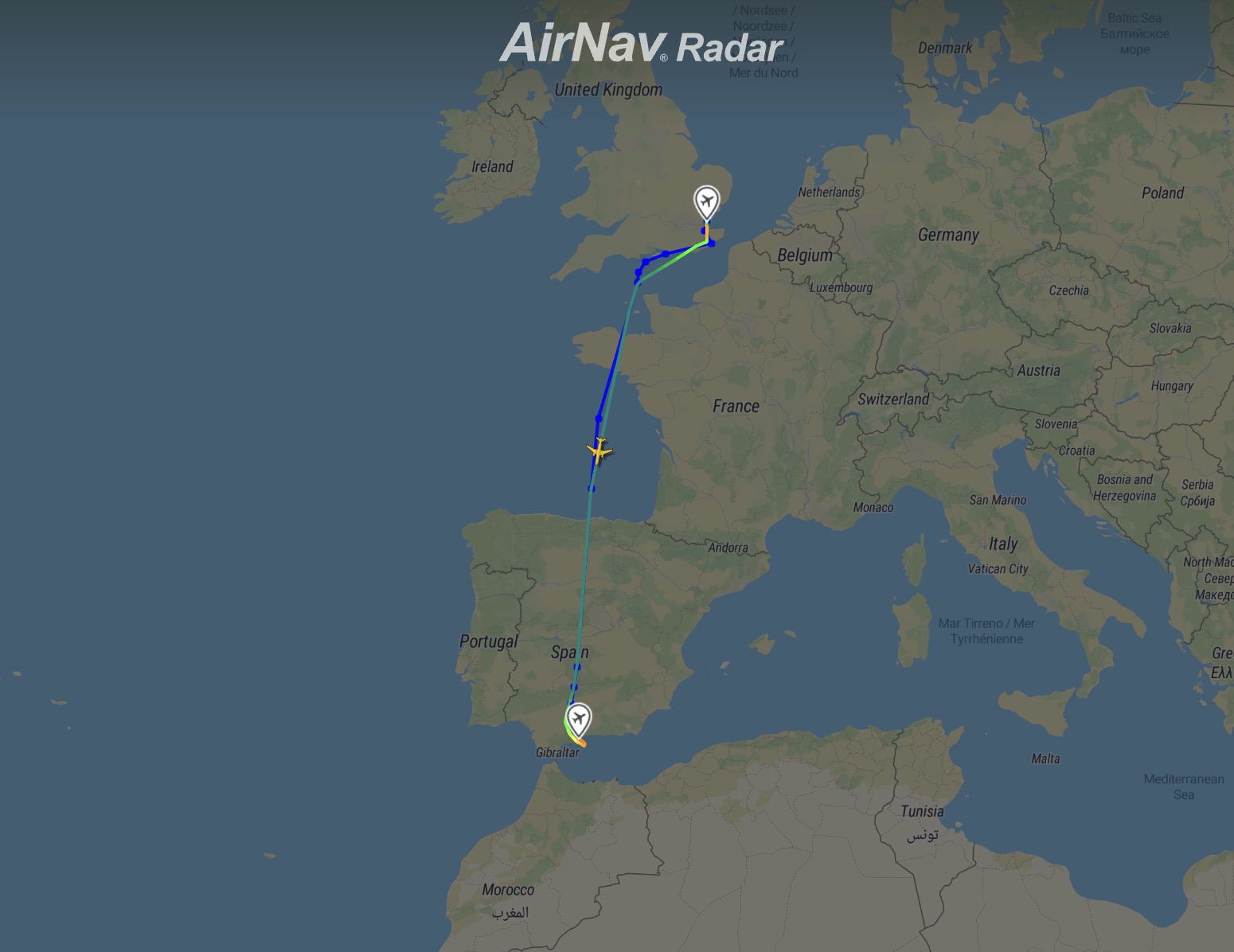
While offloading luggage is an alternative, airlines generally avoid it as it creates a secondary logistical nightmare at the destination. By asking for volunteers, easyJet followed standard industry protocol, which typically involves offering passengers cash incentives, hotel stays, and rebooking on the next available flight.