

DETROIT / PORTO — Commercial aviation safety protocols were put to the test this week following two separate, unrelated incidents where flight crews had to declare emergencies after a pilot became suddenly incapacitated mid-flight. Both flights landed safely, highlighting the rigorous training of co-pilots and cabin crews in handling worst-case scenarios.
Incident 1: First Officer Incapacitated on Final Approach to Detroit
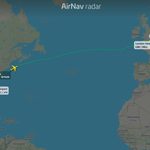
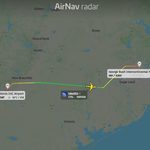
The first incident occurred aboard an Endeavor Air CRJ-700 (registration N355CA), operating as Endeavor Flight 5245 from Madison, Wisconsin, to Detroit, Michigan.
The flight was already on its final approach to Detroit Metropolitan Wayne County Airport when the first officer became suddenly incapacitated. With the aircraft just minutes from landing, the remaining crew immediately declared a medical emergency with air traffic control.
Despite the high-stress environment of the approach phase, the captain assumed full control of the regional jet and landed the aircraft safely without further incident. Emergency medical teams met the aircraft on the tarmac to provide immediate assistance to the first officer.
Incident 2: Jet2 Flight Diverts After Captain Suffers Medical Emergency at 30,000 Feet
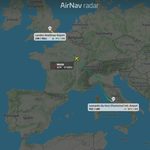
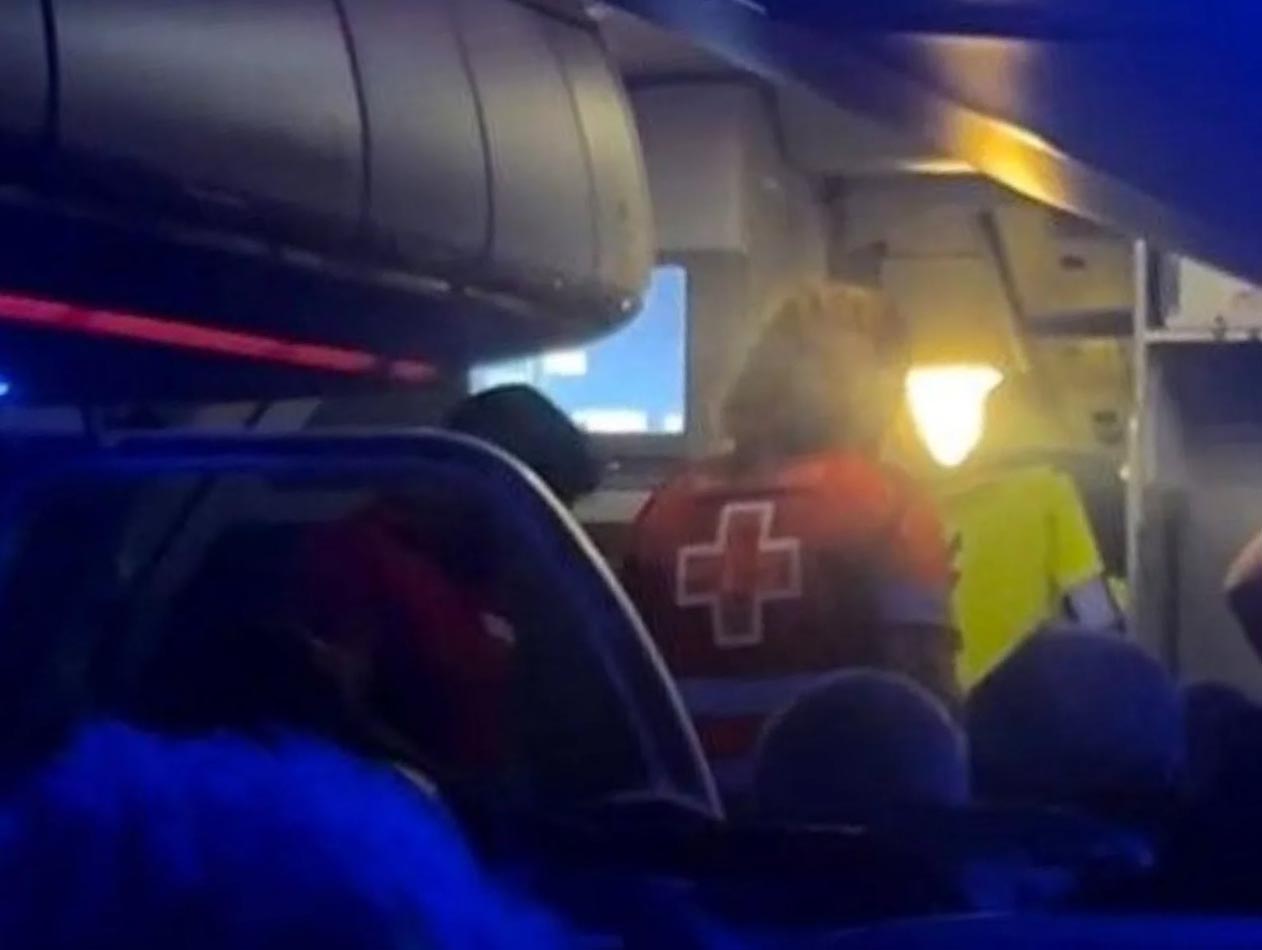
A more dramatic scene unfolded on Thursday night, May 21, aboard Jet2 Flight LS1266. The Airbus A321neo (registration G-SUNC) was en route from Tenerife (TFS) to Birmingham (BHX) when the captain reportedly suffered a suspected heart attack while cruising at 30,000 feet.
As the first officer took control of the aircraft, cabin crew issued an urgent call over the PA system, searching the cabin for any doctors or medical professionals among the passengers to assist the ailing captain.
The first officer successfully diverted the aircraft to Francisco Sá Carneiro Airport in Porto, Portugal, executing an emergency landing at approximately 2:11 AM on Friday morning. Medical personnel rushed the aircraft upon arrival, and passengers were later re-accommodated.
A System Built for Redundancy
While back-to-back incidents of pilot incapacitation are rare, aviation experts emphasize that they underscore exactly why commercial aircraft are required to have at least two qualified pilots in the cockpit.
| Flight Details | Aircraft Type | Incident Phase | Diversion / Destination Airport |
| Endeavor Air 5245 | CRJ-700 (N355CA) | Final Approach | Detroit (DTW) |
| Jet2 LS1266 | Airbus A321neo (G-SUNC) | Cruise (30,000 ft) | Porto (OPO) |
In both cases, strict adherence to Crew Resource Management (CRM) guidelines allowed the remaining crew members to manage the aircraft safely while coordinating with air traffic control and medical services on the ground.