

MANAMA, Bahrain – In a dramatic nighttime operation, Bahrain’s national carrier, Gulf Air, evacuated its remaining fleet of 11 aircraft from Bahrain International Airport on Tuesday. The move comes as regional tensions escalate following a series of Iranian missile and drone attacks targeting civilian infrastructure across the Gulf.
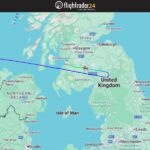
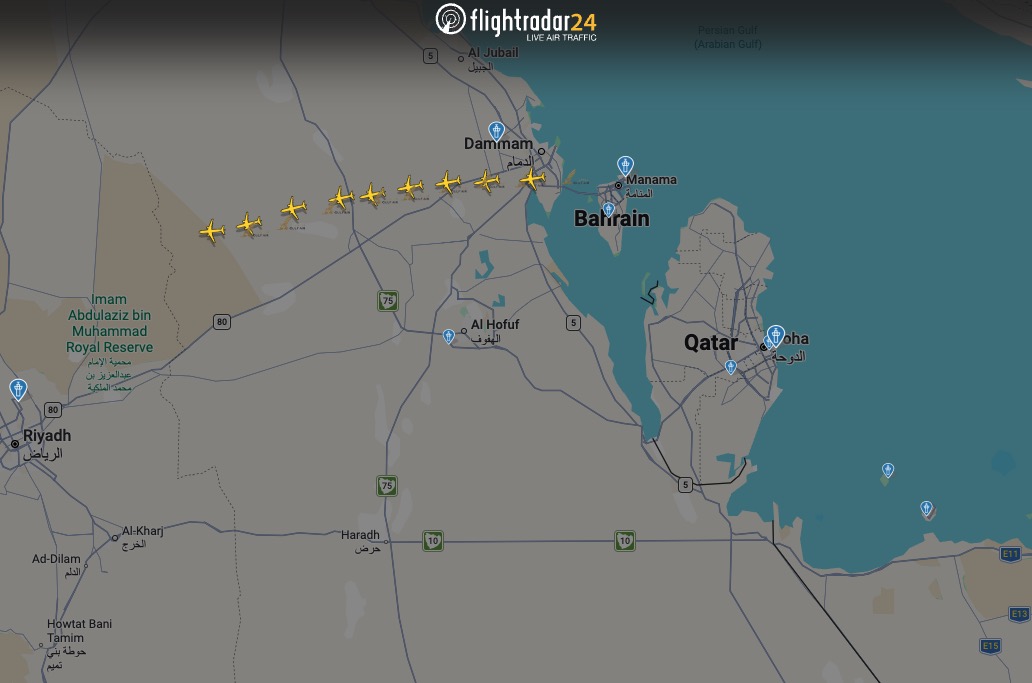
According to flight-tracking data from Flightradar24, the aircraft departed Manama in rapid succession after a brief window was opened in the kingdom’s shuttered airspace. The fleet was tracked flying west before landing at Al Ula International Airport in the Medina province of Saudi Arabia, a location currently deemed a “safe haven” due to its distance from the primary conflict zones in the Persian Gulf.
A Sudden Departure
The evacuation followed more than a week of total grounding for the airline. Since the outbreak of hostilities on February 28, Bahraini airspace has remained largely closed to commercial traffic.
On Tuesday night, the Bahrain Civil Aviation Affairs (BCAA) temporarily lifted restrictions to allow the “stranding” aircraft to flee. Witnesses described a “conveyor belt” of departures as the 11 jets—a mix of Airbus and Boeing models—took off within minutes of each other to avoid being caught in a potential strike.
Rising Threats to Aviation
The decision to move the fleet highlights the growing vulnerability of Gulf aviation hubs. Recent reports indicate that Iranian drones recently damaged a desalination plant in Bahrain and fuel tanks at Kuwait International Airport.
Impact on Operations
While the fleet is now safely out of range, Gulf Air’s scheduled services remain suspended. The airline has stated it plans to operate limited repatriation services from Dammam, Saudi Arabia, to assist thousands of travelers currently stranded by the conflict.
The evacuation of the Manama hub mirrors similar moves by other regional carriers as the “airspace chokepoint” continues to tighten across the Middle East.