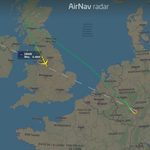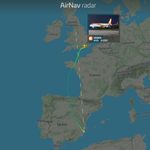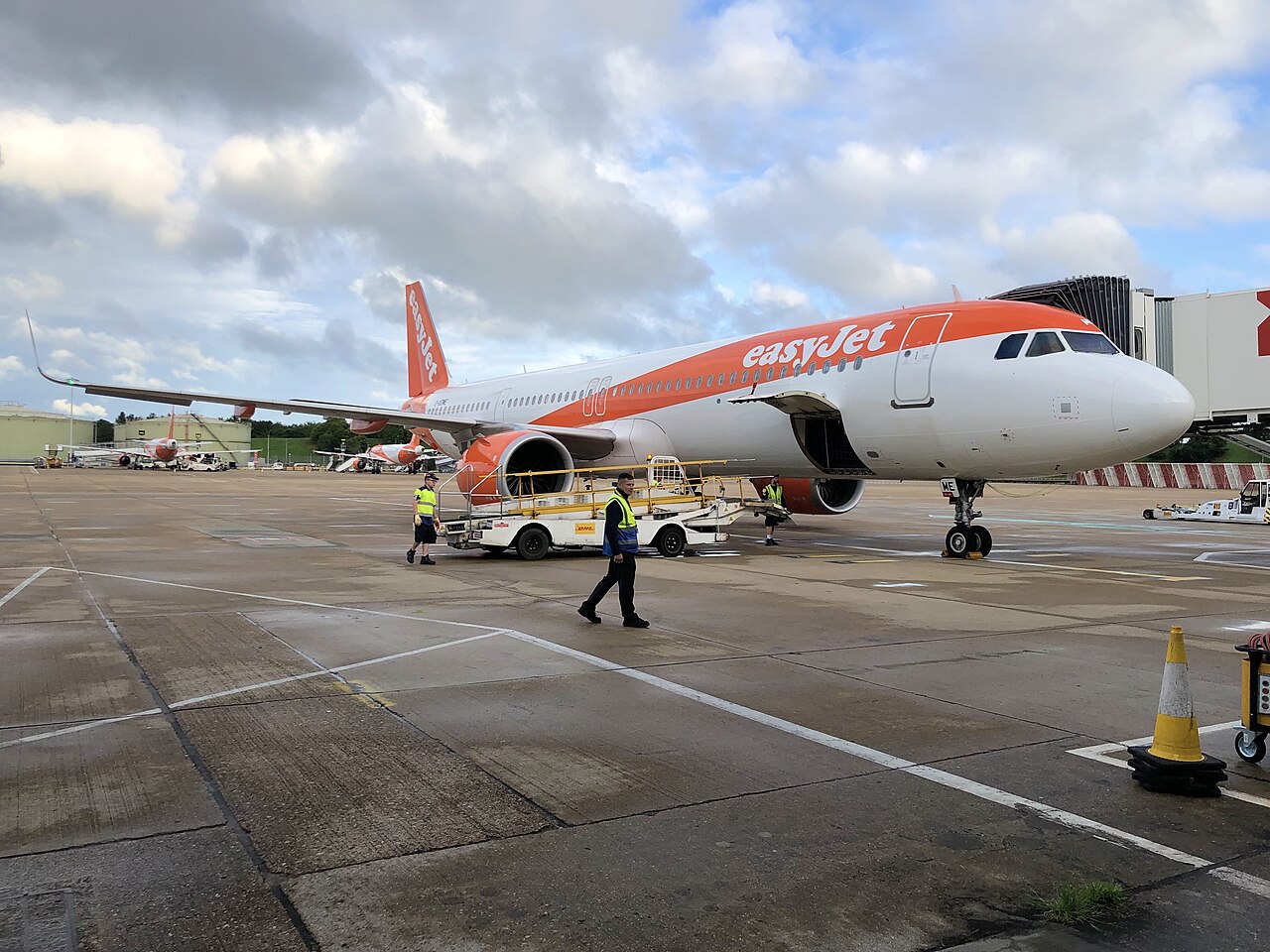


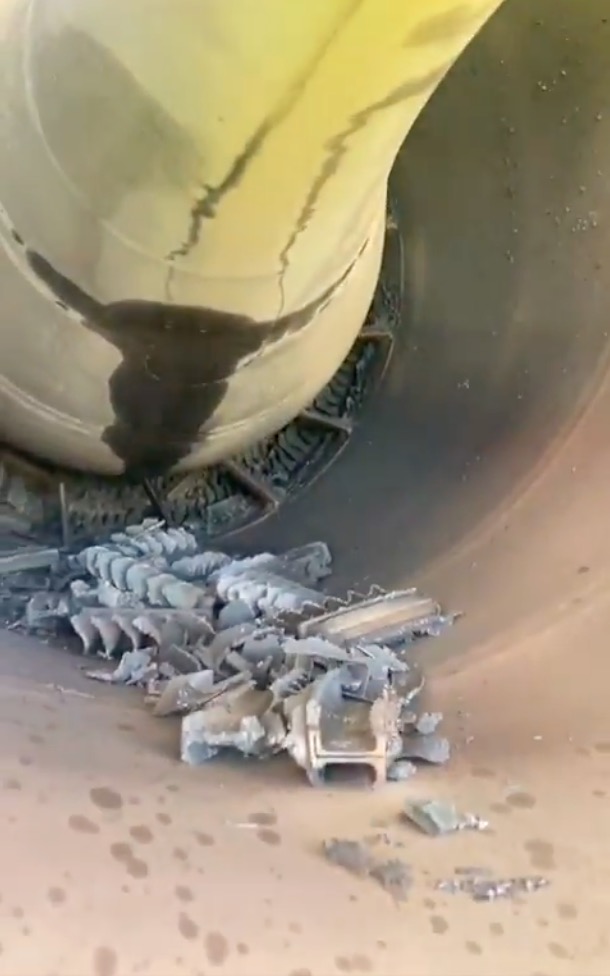
An EasyJet Airbus A320-200 (registration OE-IVZ), arriving from Milan Malpensa (MXP), turned a routine descent into an emergency operation after suffering a severe failure of its Number 2 (right-hand) engine. The aircraft was on its final approach to Lamezia Terme Airport (SUF) when the incident occurred.
The aircraft involved is powered by CFM56-5B turbofan engines, a workhorse of the aviation industry known for its reliability. However, visuals from the scene suggest a catastrophic internal breakdown.
The debris and damage visible on the turbine stages indicate a high-energy failure. Investigators are currently focusing on two critical classifications for this event:
- Contained Failure: The engine housing successfully kept all disintegrated internal components within the nacelle (the outer casing).
- Uncontained Failure: High-speed fragments breached the engine casing, posing a significant risk to the aircraft’s fuselage, wings, and fuel tanks.
While the damage is undeniably severe, aviation authorities have yet to officially confirm which of these two scenarios took place.
Despite the mechanical violence of the engine failure, the flight crew remained in control. Modern twin-engine aircraft like the A320 are designed to fly safely on a single engine, provided the pilots execute the correct emergency protocols.
The aircraft successfully touched down on the runway at SUF and came to a complete stop without further incident. No injuries were reported among the passengers or crew, who were met by emergency services as a standard precaution.
The aircraft remains grounded as the Agenzia Nazionale per la Sicurezza del Volo (ANSV) begins its investigation. They will analyze the Flight Data Recorder (FDR) and examine the turbine blades to determine if the failure was caused by metal fatigue, foreign object debris (FOD), or a manufacturing defect.