

The NTSB has linked the fatal November 2025 crash of UPS Flight 2976 to a specific mechanical failure that Boeing had identified over a decade ago as a “not a safety-of-flight” concern.
Investigators confirmed that the disaster was caused by the fatigue-induced fracture of a 3-inch spherical bearing race in the left engine pylon.
The Mechanics of the Failure
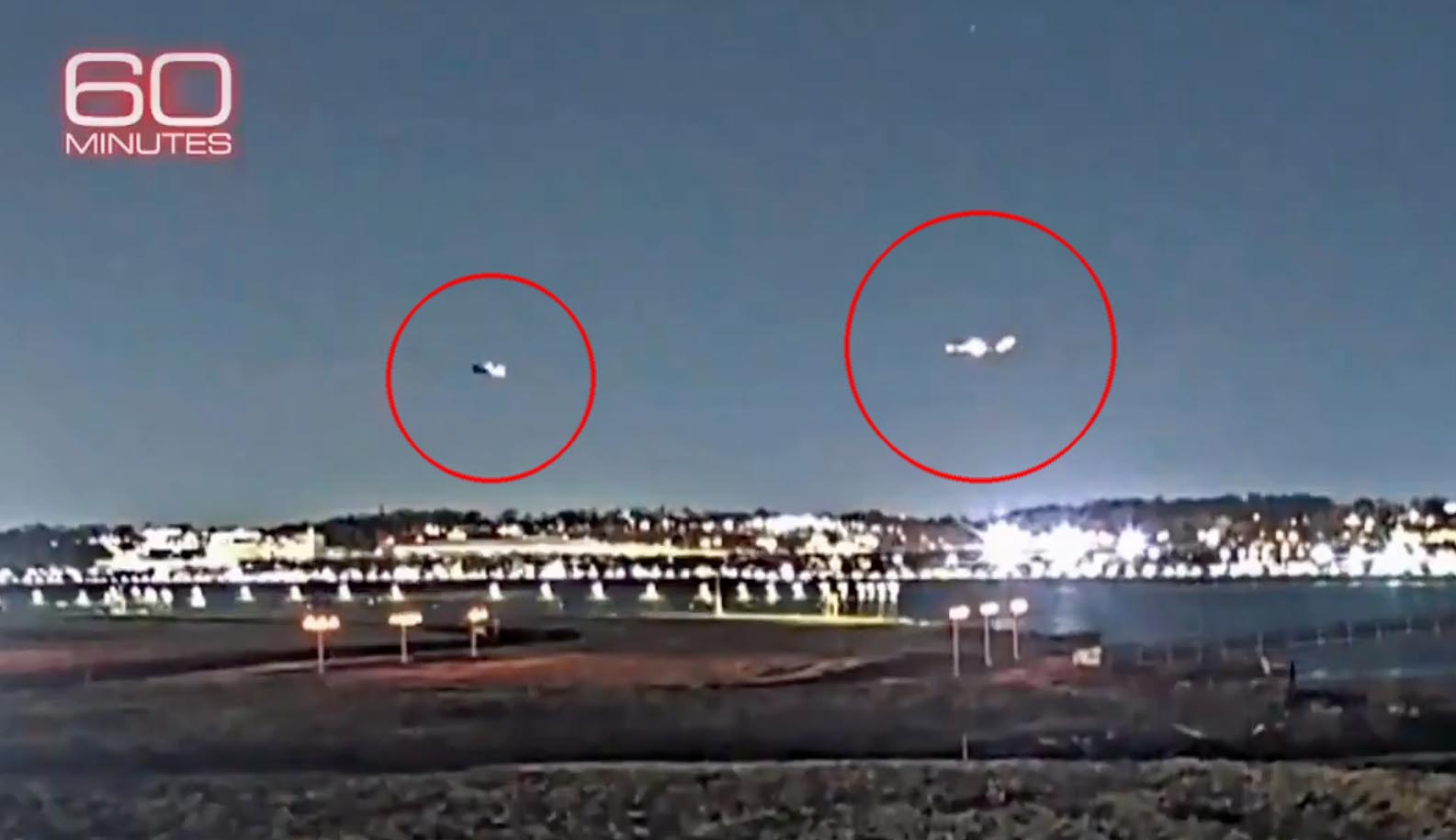
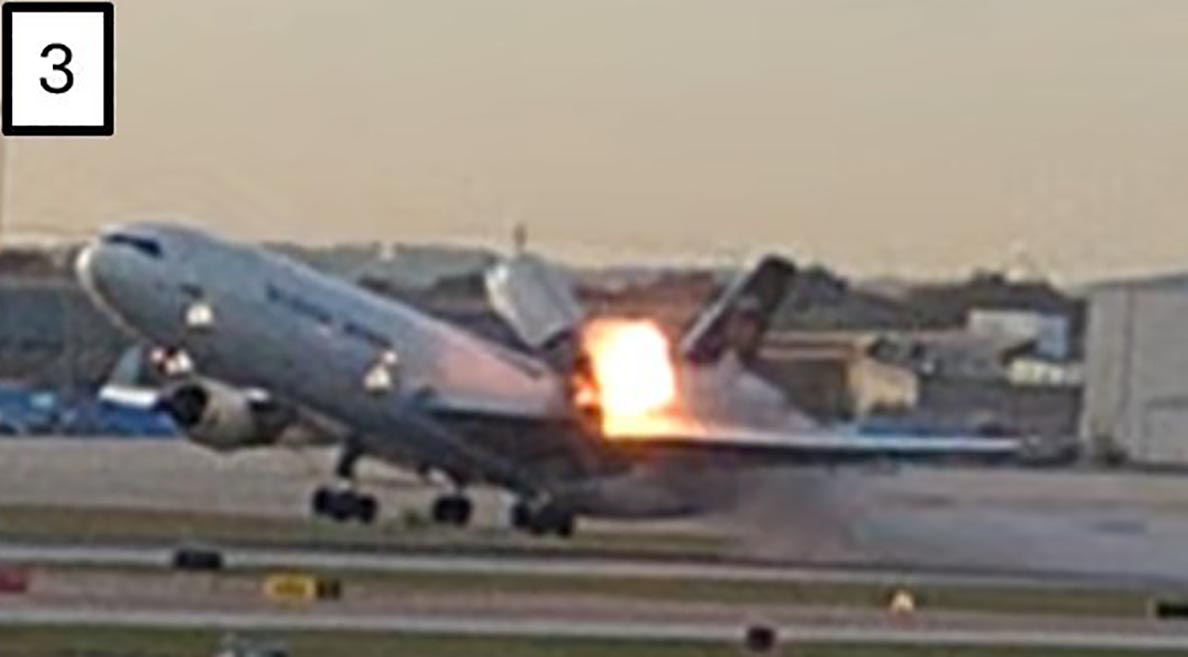
Surveillance footage from Louisville International Airport captured the harrowing moment the No. 1 engine and pylon separated entirely from the wing immediately after rotation. This separation triggered a massive fire near the wing attachment point.
Metallurgical testing highlighted a catastrophic degradation of the bearing race:
- Origin: Fatigue cracking began at a specific design recess groove.
- Progression: The crack migrated around nearly the entire circumference of the part.
- Failure: Once the crack reached roughly 75% material thickness, the remaining metal suffered an overstress fracture, leading to the engine separation.
A Known Issue: The 2011 Warning
The NTSB’s findings point to a significant historical precedent. On February 7, 2011, Boeing issued Service Letter MD-11-SL-54-104-A following four similar bearing race failures across three different MD-11 aircraft.
Despite the documentation of this flaw, the risks were downplayed at the time:
- Boeing’s Assessment: The company deemed the issue “not a safety-of-flight” concern.
- Maintenance Guidelines: Boeing recommended only visual inspections every 60 months and permitted operators to keep using the original part (P/N S00399-1).
- The “Fix”: While a redesigned bearing (P/N S00399-523) was created to eliminate the recess groove, its installation was optional, and the flawed original design was never prohibited.
Investigation and Aftermath
The crash resulted in 15 fatalities, including three crew members, and prompted the immediate grounding of the global MD-11 cargo fleet.
The NTSB is now pivoting its investigation to focus on regulatory and corporate oversight, specifically:
- How the 2011 service letter was integrated into MD-11 maintenance manuals.
- The effectiveness of UPS’s inspection protocols regarding this specific part.
- The formal correspondence between Boeing and the FAA to determine why the redesigned part was never made mandatory.