
AIRLIVEAIRLIVE
  • News
  • Emergency
  • Accident
  • Incident
  • Tracking
  • Military
  • Space
  • Reports
  • Exclusive
  • CamsLIVE
Notification Show More
AIRLIVEAIRLIVE
Search
Follow US
AIRLIVE Aviation news network
Get aviation breaking news on WhatsApp
AIRLIVE > All articles > Location > Asia > Why Air India Boeing 787 flight AI171 was unable to climb and losing power, triggering RAT deployment
AsiaReports

Why Air India Boeing 787 flight AI171 was unable to climb and losing power, triggering RAT deployment

Last updated: June 18, 2025, 05:36 UTC
Published: Wednesday, June 18, 2025, at 05:35 UTC
Category: Asia Reports
Author: Seb Mil

Airline: Air India
Aircraft: Boeing 787-8
Data: AI171 AMD VT-ANB
Air India Boeing 787-8 crash
SHARE

We try to figure out the reasons why Air India flight AI171 got off the runway with no problem then crashed few seconds after takeoff from Ahmedabad Airport.

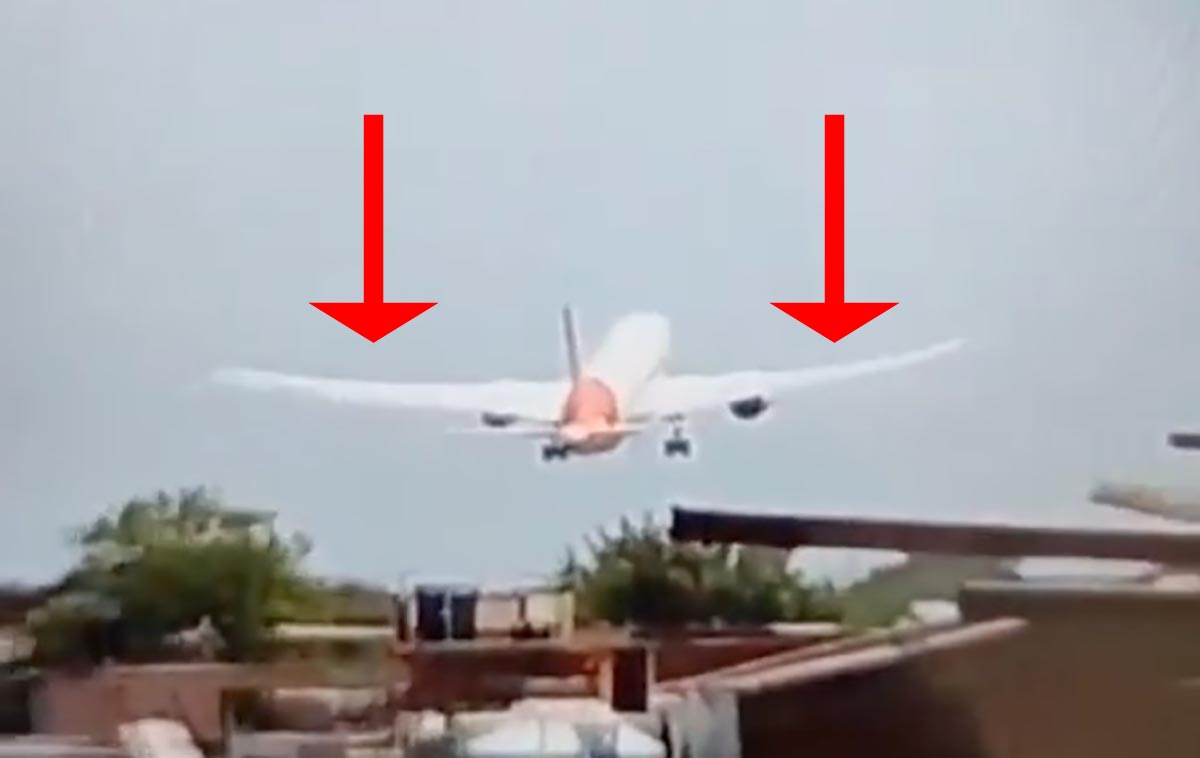
As flight AI171 departed Ahmedabad Airport, it appeared the airplane got off the runway with no issue but for some reason was unable to climb.

In the mayday call, the captain reported the aircraft was losing power, with no thrust, unable to lift few seconds before it crashed.

It is not immediately clear, and a final report on the crash causes might not be available until next year, but we try to understand what caused the first crash of a Boeing 787 Dreamliner.

From the original video, with good sound, we can clearly hear the Ram Air Turbine (RAT). A Ram Air Turbine (RAT) is a small wind-turbine generator that aircraft use as a last-resort power source in emergencies.

The primary function of a RAT is to provide emergency hydraulic and/or electrical power to critical aircraft systems when the main power sources (engines, Auxiliary Power Unit “APU”) fail.

The rat automatically deploys on three conditions :

  • 1. Total electrical failure
  • 2. Total hydraulic failure
  • 3. Both engine failure

Did the aircraft stall?

Video footage shows the aircraft struggling to gain altitude after take-off, flying unusually low before a rapid descent. This loss of speed and height has prompted speculation that the plane may have stalled—a condition where insufficient lift prevents sustained flight. Since lift depends heavily on speed, any thrust loss can sharply reduce lift. Both visual evidence and radar data suggest the aircraft lost speed soon after becoming airborne.

Flaps configuration

Observers noted that the wing flaps—critical for generating lift at low speeds—may not have been deployed. If the flaps were never deployed or were retracted too soon, the aircraft would have struggled to climb—especially if engine thrust was compromised.

Landing gear configuration

Additionally, the landing remained extended until impact, raising questions about whether standard take-off procedures were followed. This combination of retracted flaps and deployed gear is highly irregular in a normal departure.

Bird strikes

A flock entering the engines at low altitude could lead to dual engine failure—a rare but plausible scenario during take-off near airports.

Temperatures factors

With temperatures around 40°C at the time, reduced air density would have required a higher take-off speed. Combined with a possible mechanical fault or incorrect configuration, the extreme heat may have pushed the aircraft beyond safe operating limits.

Fleet inspections

Although the aircraft was 11 years old, it belonged to the Boeing 787 Dreamliner family, which has a strong safety record. India’s aviation regulator has ordered inspections across Air India’s 787 fleet. The airline’s Dreamliners are powered by GE Aerospace engines, which differ from the Rolls-Royce units that were previously grounded over safety concerns.
TAGGED:AI171AMDVT-ANB
BySeb Mil
Seb Mil’s distinguished background in the French Air Force makes him an expert member of the AIRLIVE.net team. Contributes breaking military aviation news, video analyses, flight safety, aerobatic events and general aviation.

LATEST NEWS

American Airlines AA734 reported a double bird strike on climb out from Charlotte
Incident Tracking USA
October 9, 2026
American Airlines Boeing 777-223ER
AA AA734 CLT N774AN
United UA4053 reported that landing gear would not retract after takeoff from San Antonio
Incident Tracking USA
October 9, 2026
United Airlines Embraer 175
N89308 SAT UA UA4053
BREAKING Saudi Arabian Airlines aircraft destroyed in fire at Riyadh airport amid reported missile attack
Accident Middle East
October 9, 2026
RUH
British Airways flight attendant injured during unexpected turbulence on flight to London
Europe Exclusive News Tracking UK
October 8, 2026
British Airways Airbus A319-131
BA BA559 G-EUPU LHR

Related news

EuropeGermanyIncidentReports

REPORT Braking commands were applied while the Boeing 787-9 was actively accelerating prior takeoff

September 28, 2026
ReportsTrackingUSA

How the Iranian delegation flew to New York for the UN General Assembly

September 23, 2026
AccidentReportsUSA

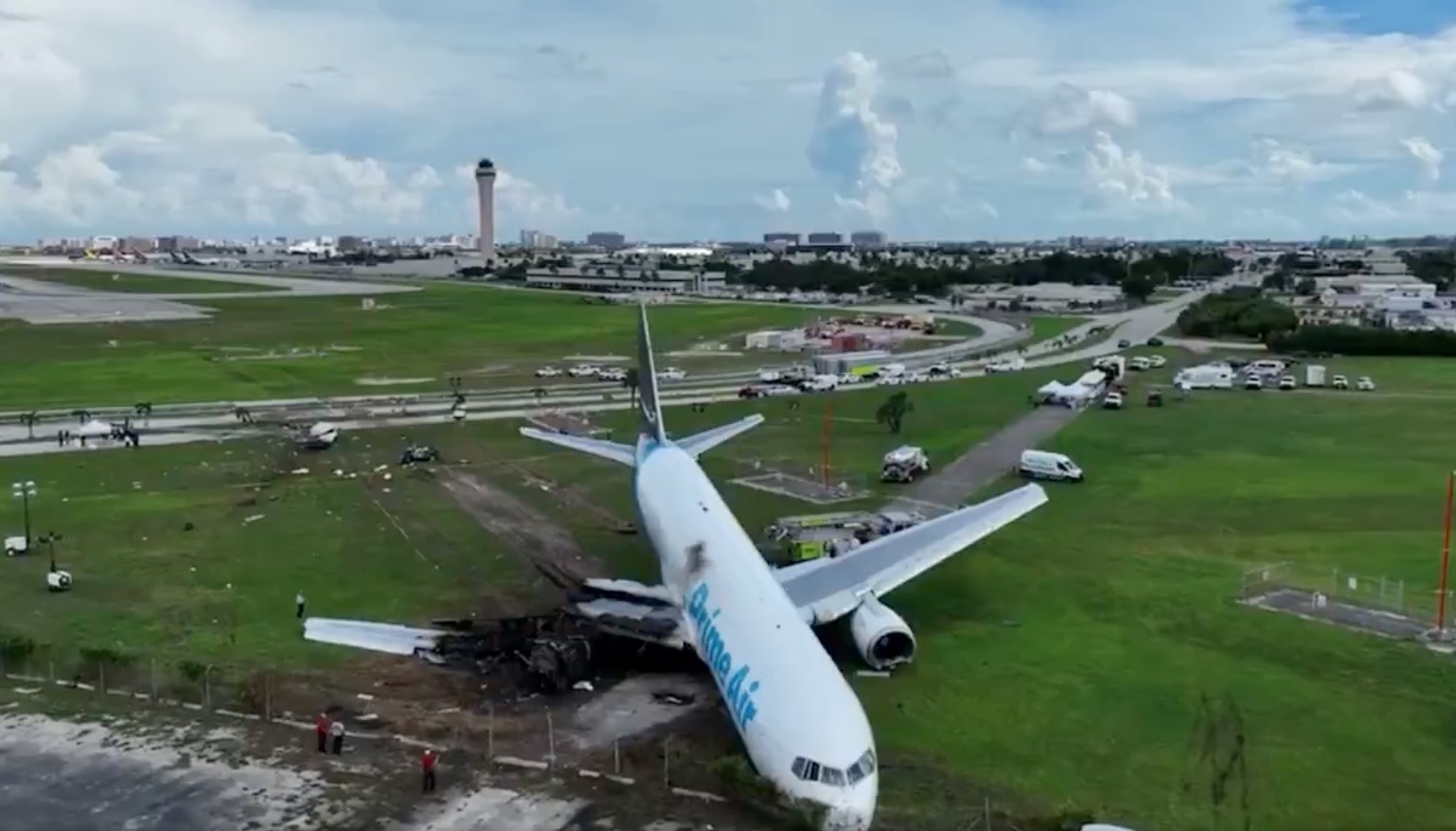
Second-by-second timeline of the fatal Prime Air Boeing 767 accident from the recovered black boxes

September 9, 2026
CanadaReports

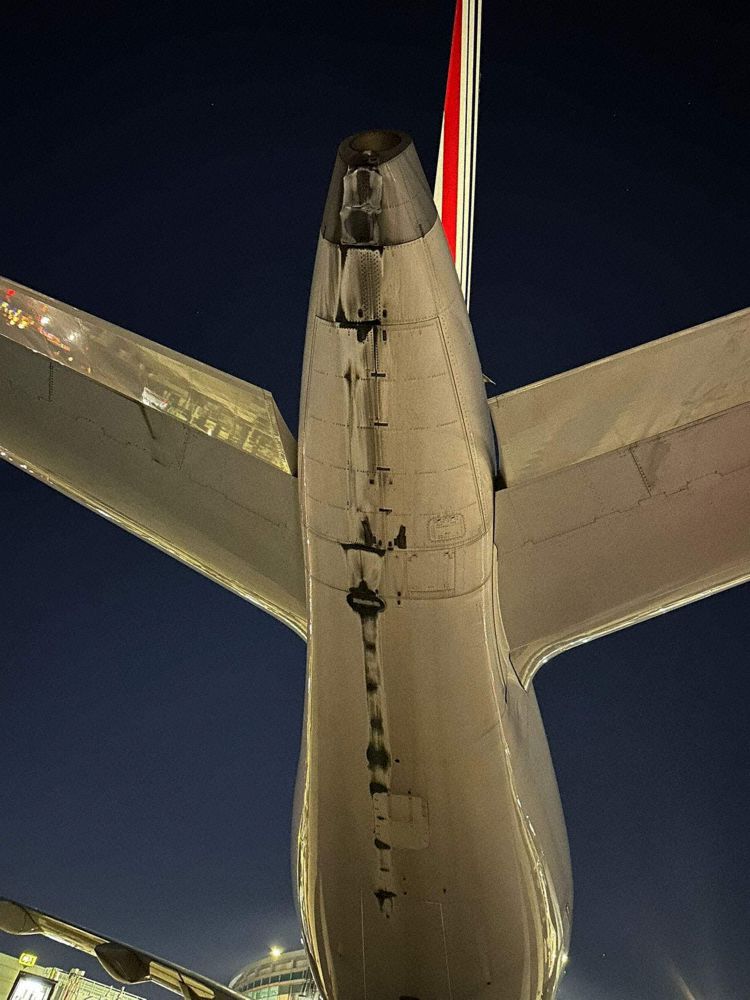
Air France has overhauled its pilot training protocols following a serious tail strike involving an Airbus A350 at Toronto

July 26, 2026
AIRLIVE.net is an Aviation news network supported by a team of journalists and aviation enthusiasts.
Add AIRLIVE as Google preferred source
Since 2014, AIRLIVE.net has been publishing accurate aviation news and live updates from our sources around the world. This has led to the creation of the largest aviation community on social media.
Eyewitness to an event?
Alert AIRLIVE's newsdesk on WhatsApp
AIRLIVEAIRLIVE
Follow US
Copyright AIRLIVE 2026
  • Contact
  • Submit a story
  • Privacy policy
  • Return policy
Welcome Back!

Sign in to your account

Username or Email Address
Password

Lost your password?