

ATLANTA — A iconic chapter in freight aviation reached its end at Hartsfield-Jackson Atlanta International Airport (ATL) on Tuesday afternoon.
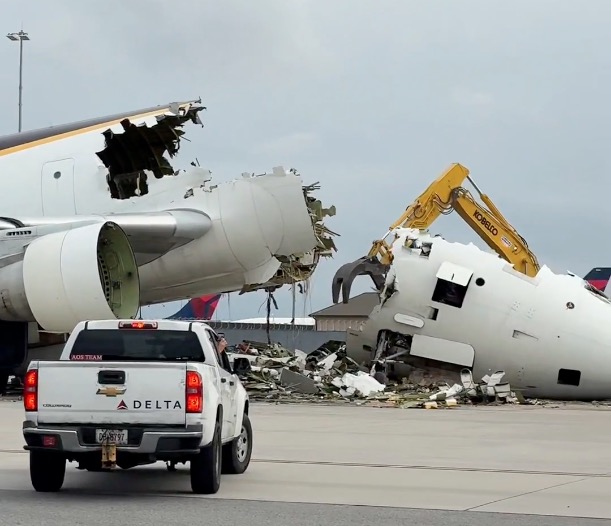
On November 3, 2026, dismantling crews began cutting apart a 32-year-old McDonnell Douglas MD-11F, registered as N273UP. The tri-jet freighter, once a staple of United Parcel Service’s (UPS) long-haul cargo network, is now mostly reduced to scrap following its acquisition for spare parts last month.
A Grounding That Ended an Era
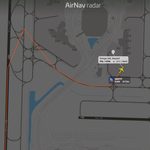
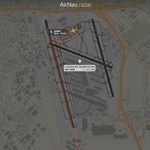
N273UP’s path to the salvage site began a year ago. On November 7, 2025, the freighter flew into Atlanta from UPS’s Worldport hub in Louisville, Kentucky. It never took to the skies again.
Just days prior, in early November 2025, UPS proactively grounded its entire MD-11 fleet following a tragic accident involving another MD-11F in Louisville. Federal Aviation Administration directives and manufacturer recommendations effectively halted operations for the aging aircraft type, which accounted for roughly 9% of the carrier’s active air fleet.
As a result, N273UP remained parked on the UPS ramp at ATL for nearly a full year, marooned alongside other grounded tri-jets while the industry evaluated the fleet’s future.
Final Voyage: From Ramp to Recycler
The airframe’s fate was finalized in October 2026 when Delta Material Services (DMS) (a subsidiary of Delta Air Lines specializing in aircraft teardowns, surplus material, and parts harvesting) acquired the aircraft.
On Tuesday morning, heavy tow vehicles pulled the airframe away from its long-standing spot at the UPS cargo ramp to a designated dismantling area at ATL. Demolition crews quickly went to work with heavy machinery, slicing through the fuselage and wings to harvest high-value components, avionics, and structural materials. By late afternoon, the once-mighty three-engine freighter was mostly torn apart.
The Twilight of the Tri-Jet
Built in the mid-1990s, N273UP served over three decades carrying high-priority cargo around the globe. Its destruction highlights the rapid phase-out of the classic tri-jet design in modern commercial aviation, where more fuel-efficient twin-engine jets like the Boeing 767F and 777F have taken over main-line cargo routes.