


A United Airlines pilot sustained arm injuries after mysterious debris struck the windshield of a Boeing 737 MAX 8 prompting an emergency diversion to Salt Lake City.
United flight UA1093, carrying 140 passengers and crew from Denver to Los Angeles, was cruising at 36,000 feet approximately 200 miles southeast of Salt Lake City when the crew reported a cracked windshield on October 16, 2025.
The captain reportedly stated that he saw an object coming at the last moment and that it appeared to him to be “space debris.” The captain’s claim that the aircraft was “hit by a falling object at FL360” represents an extraordinary statement that, if confirmed, would mark an unprecedented event in commercial aviation history.
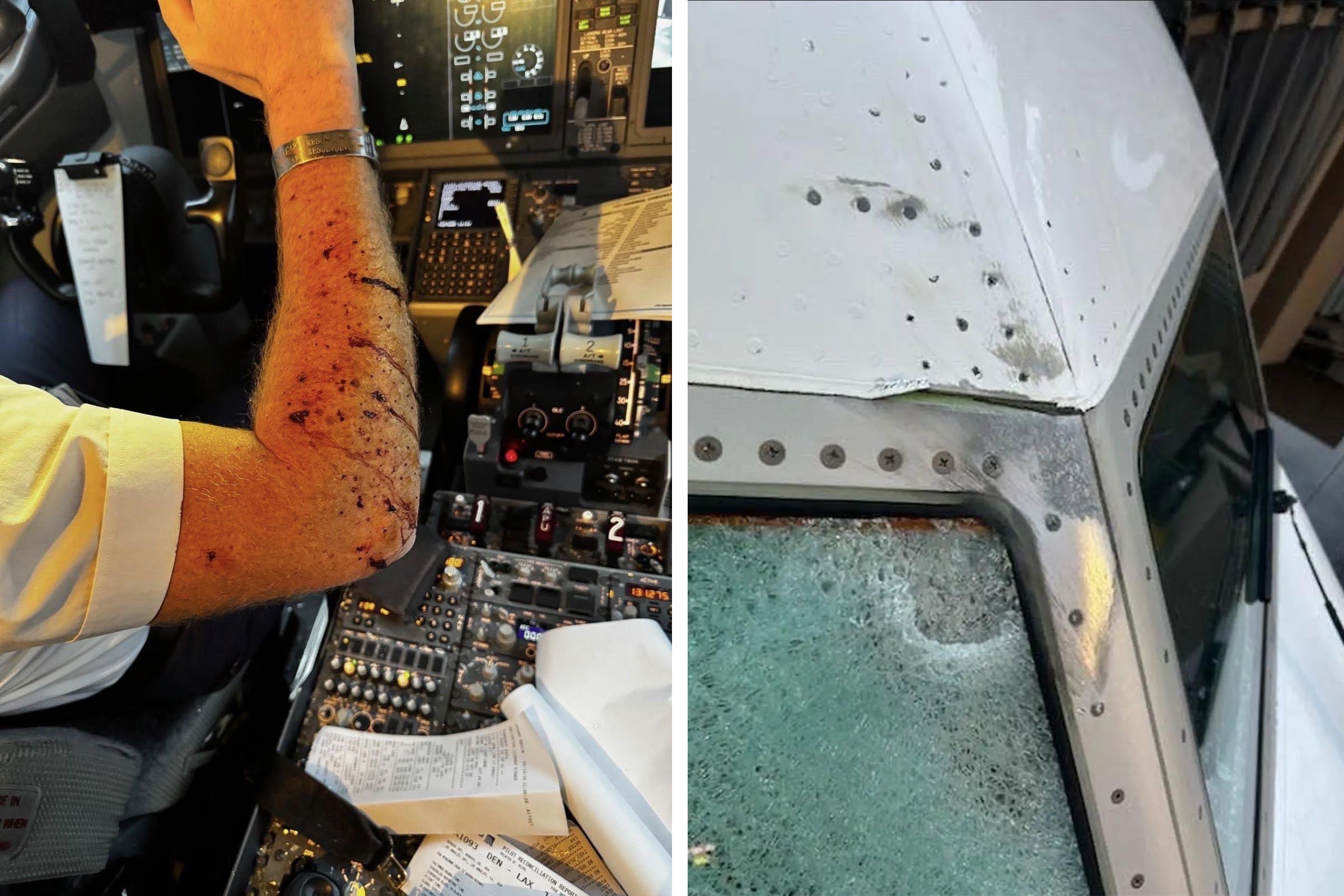
Photos shared by aviation insider JonNYC show bruising on one pilot’s arm. The visible injuries to the pilot add a human dimension to what might have been dismissed as routine windshield damage.
Alternative Theory: High-Altitude Hail?
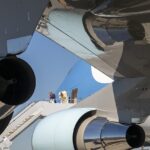
More recent analysis of exterior photos showing the nose of the aircraft revealed dozens of marks consistent with hail peppering, leading some aviation experts to suggest high-altitude hail as an alternative explanation.
Emergency Descent and Diversion
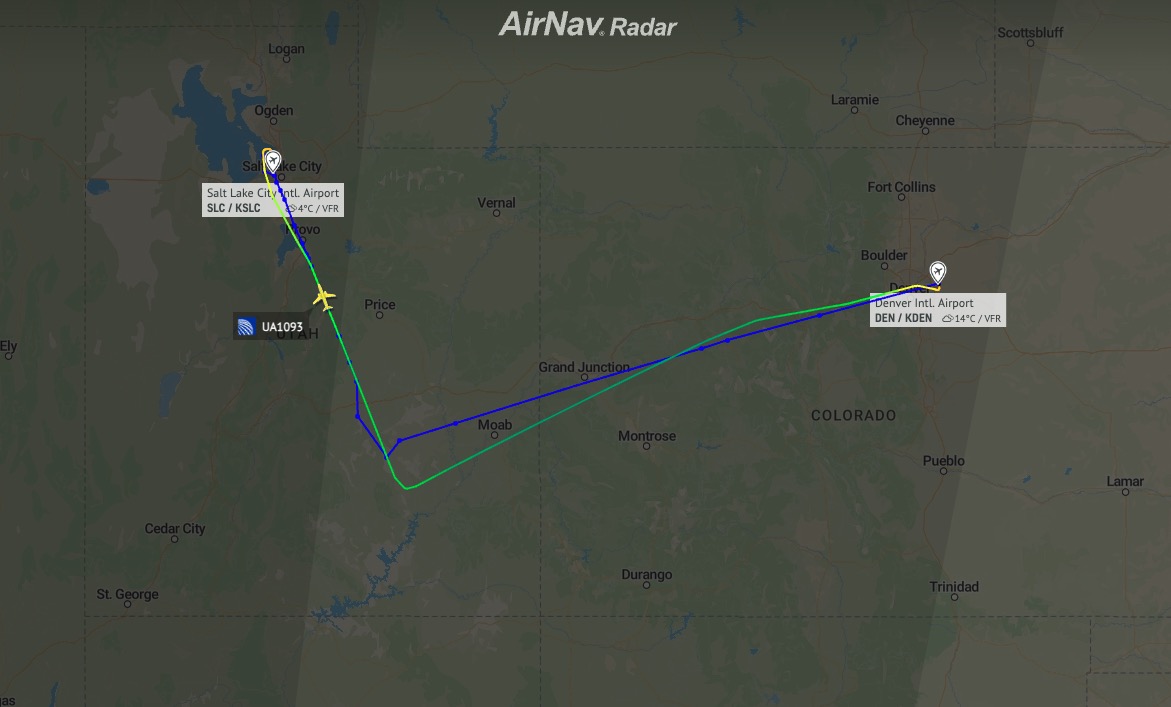
About 30 minutes into the flight, approximately 200 miles southeast of Salt Lake City at 36,000 feet cruising altitude, the pilots made the decision to divert. The crew initially descended to 26,000 feet before ultimately diverting to Salt Lake City, where the Boeing 737 MAX 8 (registration N17327) landed safely on runway 16L around 50 minutes after the incident began.
Space Debris Probability
The space debris theory, while sensational, faces statistical challenges. A 2023 FAA report estimated an annual 0.1% chance that falling space debris would cause a single global aviation casualty, meaning individual passenger risk is less than a trillion-to-one.
Multiple-Layer Windshield Protection
United initially reported the issue as “a crack in one layer of its windshield,” referring to the multi-ply construction of cockpit windows. Modern aircraft windshields consist of multiple layers of glass and plastic specifically designed to withstand bird strikes, hail, and pressure differentials.
Six-Hour Passenger Delay
United deployed a replacement Boeing 737 MAX 9 to complete the journey, with passengers ultimately arriving in Los Angeles approximately six hours behind schedule. The airline accommodated affected passengers while the damaged aircraft underwent inspection in Salt Lake City.
Regulatory Investigation
The FAA and NTSB will investigate the incident, examining the damaged windshield, reviewing flight data recorders, interviewing the crew, and analyzing weather data to determine definitively what struck UA1093. The investigation’s findings will have implications for aviation safety protocols if space debris or meteorites are confirmed as threats at cruise altitude.
Investigators will also examine whether any tracking systems detected space debris or satellite fragments in the aircraft’s path at the time of the incident.