

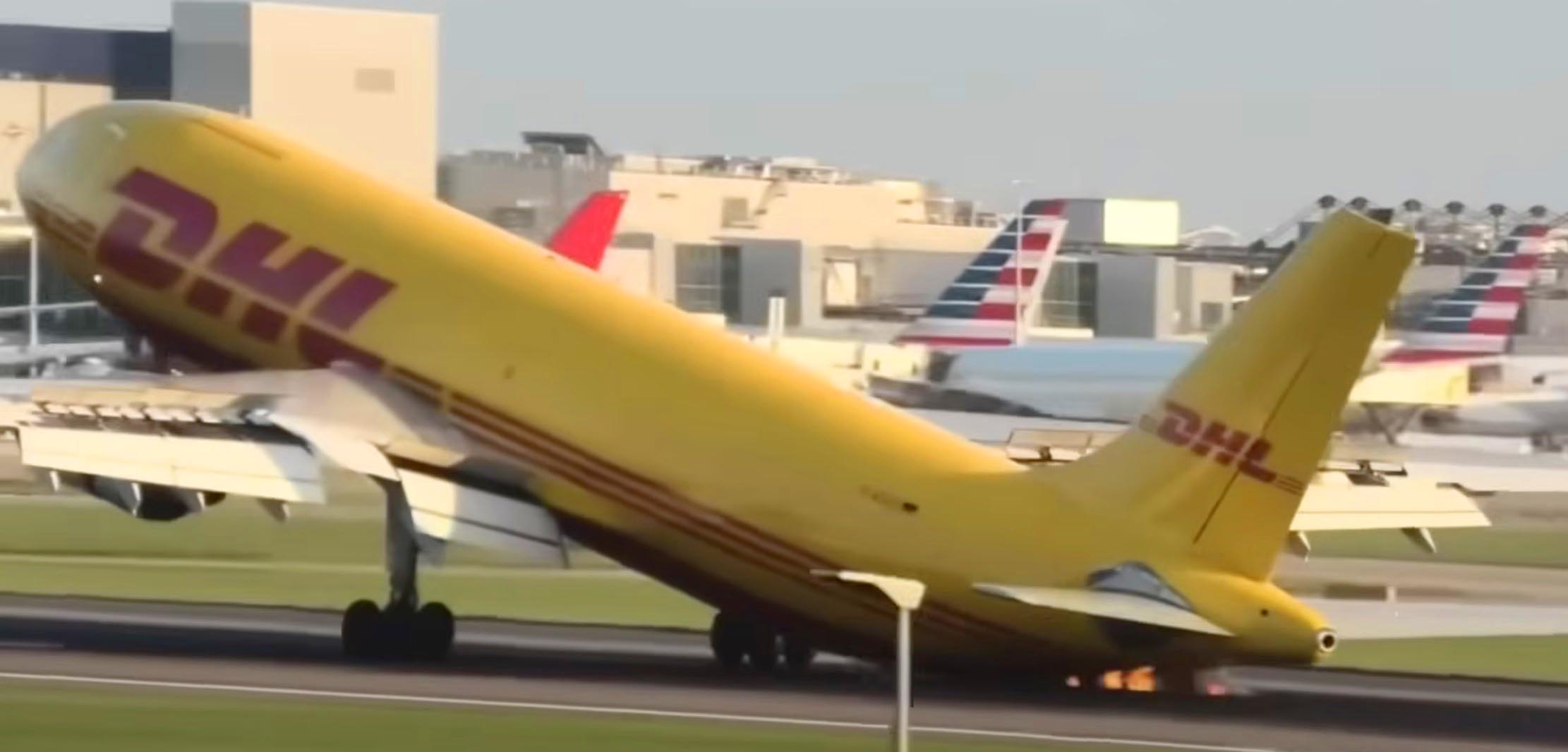
A video posted online is raising questions after pilots performed a go around after the reversers and spoilers had started deploying following a tailstrike.
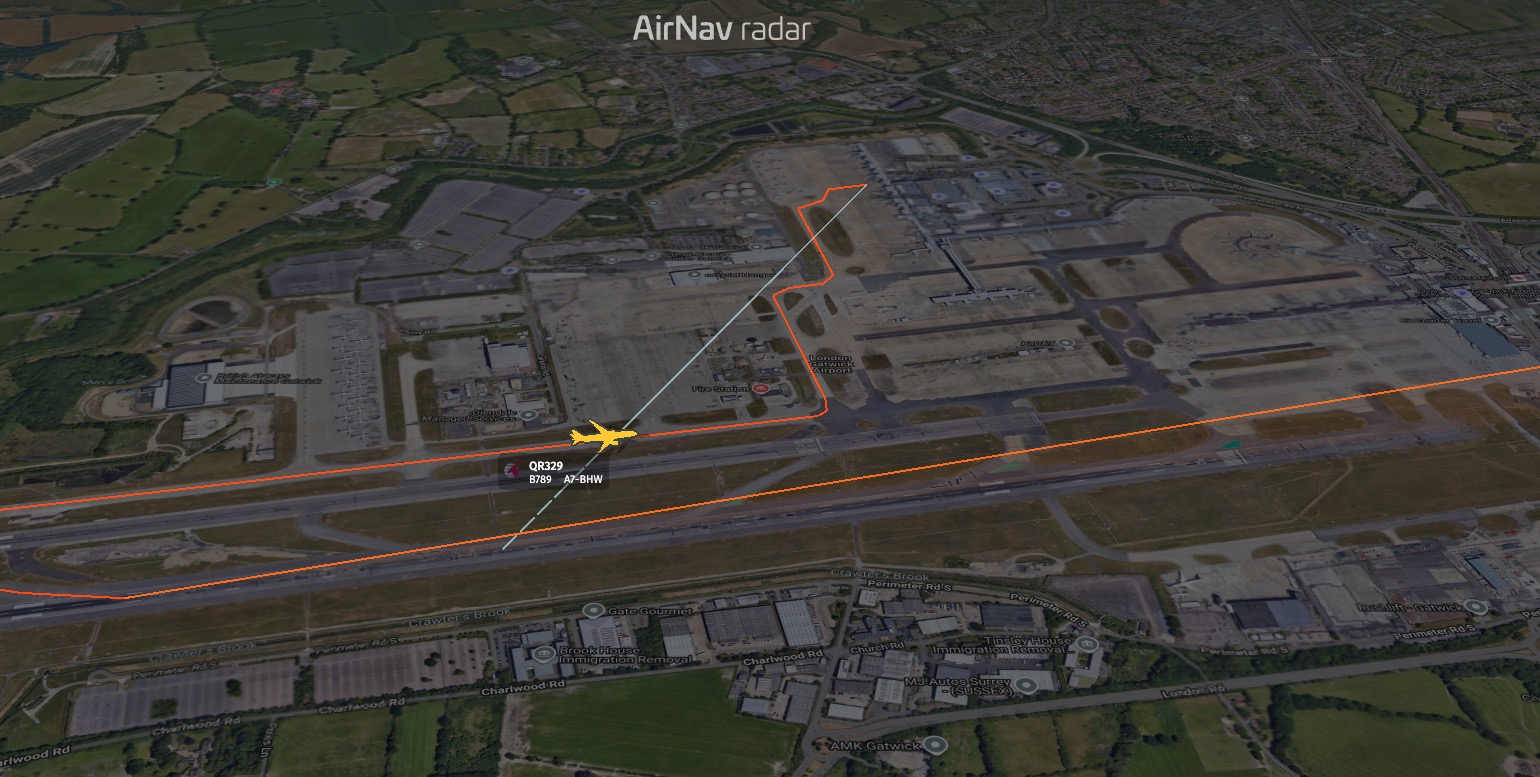
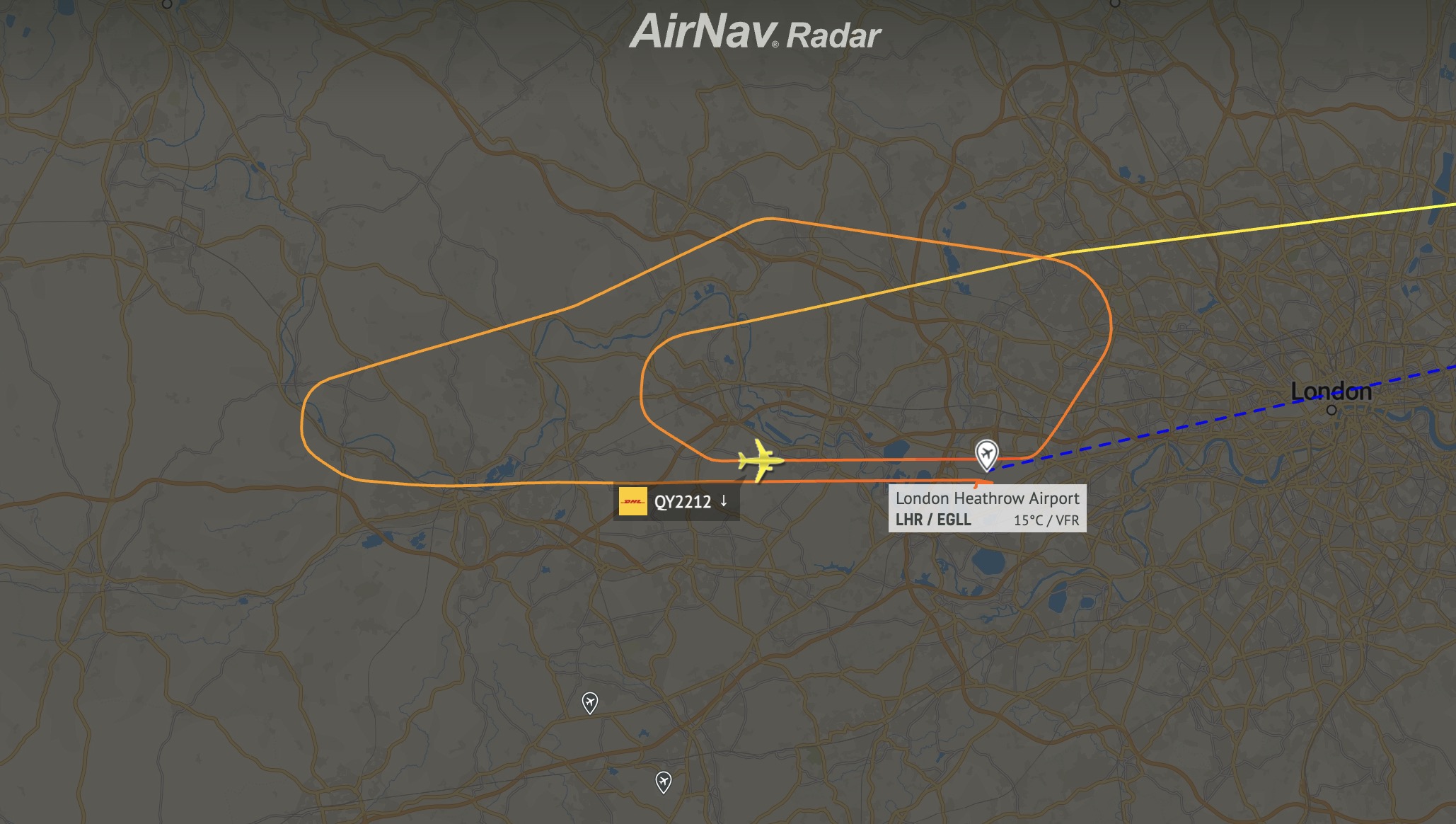
Earlier today, a DHL-operated Airbus A300 cargo aircraft from Leipzig suffered a tailstrike during operations on Runway 09L at London Heathrow Airport.
The event has stirred discussion among aviation observers, with video clips circulating online that appear to show the aircraft’s tail contacting the runway or ground surface during a go-around maneuver.
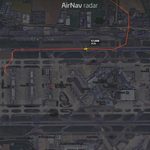
According to a video posted by Big Jet TV, the incident was captured on video at 17:13 local time. The footage shows the aircraft approaching, touching down or nearly doing so, then initiating a go-around. The footage shows that the plane may have already deployed thrust reversers, or partial reverse, and then went around.
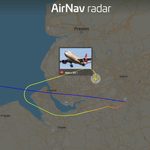
As the spoilers were also in use, the aircraft took an unusual 15 seconds to finally start climbing back then reached 4,500 feet before landing safely on runway 09R 17 minutes after the incident. There is also question about possible load or balance issues, and minor oscillations prior to touchdown that may have destabilized the final approach.
A tailstrike occurs when the aft section (tail) of an aircraft contacts the runway or ground surface during takeoff or landing. It can happen if the nose is raised too aggressively, the aircraft pitch is misjudged, or in flight regimes where flares or rotations are too steep. Tailstrikes can damage the fuselage skin, rear structure, control surfaces, and sometimes the auxiliary power unit or other systems. In severe cases, structural integrity is compromised, requiring substantial repair.
In this case, the tailstrike appears to have taken place during a go-around — either when the nose was being raised again or as the aircraft attempted to climb out. If indeed reversers or spoilers were already deployed, the aerodynamic reversal of forces during the maneuver creates extra stress on the airframe.