

RIYADH – In a significant diplomatic rupture between longtime allies, Saudi Arabia has suspended the U.S. military’s authority to use its bases and airspace for a high-stakes maritime operation in the Persian Gulf. The move has abruptly forced the Trump administration to pause Project Freedom, a mission designed to escort commercial vessels through the Strait of Hormuz.
Sources within the Saudi government confirmed Wednesday that the Kingdom informed Washington it would no longer permit U.S. military aircraft to operate from Prince Sultan Air Base, located southeast of Riyadh, for any tasks associated with the mission. Furthermore, Saudi officials have closed the country’s airspace to American assets supporting the operation.
A Breakdown in Communication
The tension reportedly stems from the unilateral nature of the mission’s announcement. President Trump introduced “Project Freedom” via social media on Sunday afternoon, a move that reportedly “caught Gulf allies off guard” and frustrated leadership in Riyadh.
Saudi officials expressed concern that the operation, which involves guiding stranded ships through the volatile waterway amid ongoing tensions with Iran, was launched without proper regional coordination.
Failed Negotiations
The suspension follows a reported phone call between President Trump and Saudi Crown Prince Mohammed bin Salman that failed to resolve the impasse.
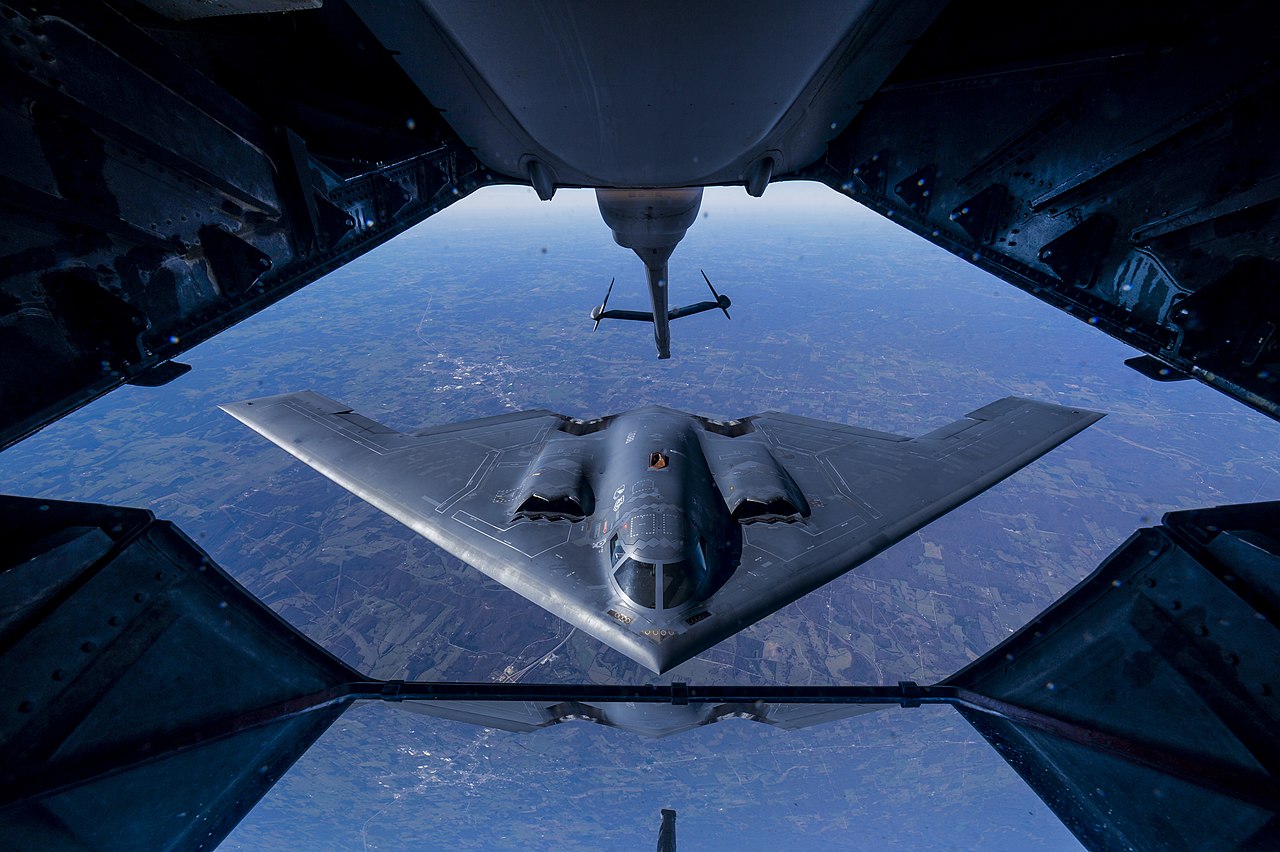
Without access to the strategic Prince Sultan Air Base (a critical hub for aerial refueling and surveillance) and the ability to transit Saudi airspace, the logistical backbone of Project Freedom was effectively severed. Facing these constraints, the White House announced a “pause” to the operation late Tuesday to restore military access and address the concerns of regional partners.
Regional Ripple Effects
Saudi Arabia is not the only ally expressing hesitation. Reports indicate that other Gulf nations, including Qatar, were only briefed on the operation after it had already commenced.
The suspension marks a rare and public friction point in the U.S.-Saudi security relationship. While the U.S. maintains a heavy presence in the region, the loss of Saudi cooperation, even temporarily, underscores the delicate balancing act required to manage the current maritime crisis.