


WASHINGTON D.C. — In a revelation that dramatically shifts the focus of the investigation into one of China’s most mysterious aviation disasters, newly released data from the U.S. National Transportation Safety Board (NTSB) indicates that the fuel switches for both engines on China Eastern Airlines flight MU5735 were manually shut off seconds before the aircraft began its fatal plunge.
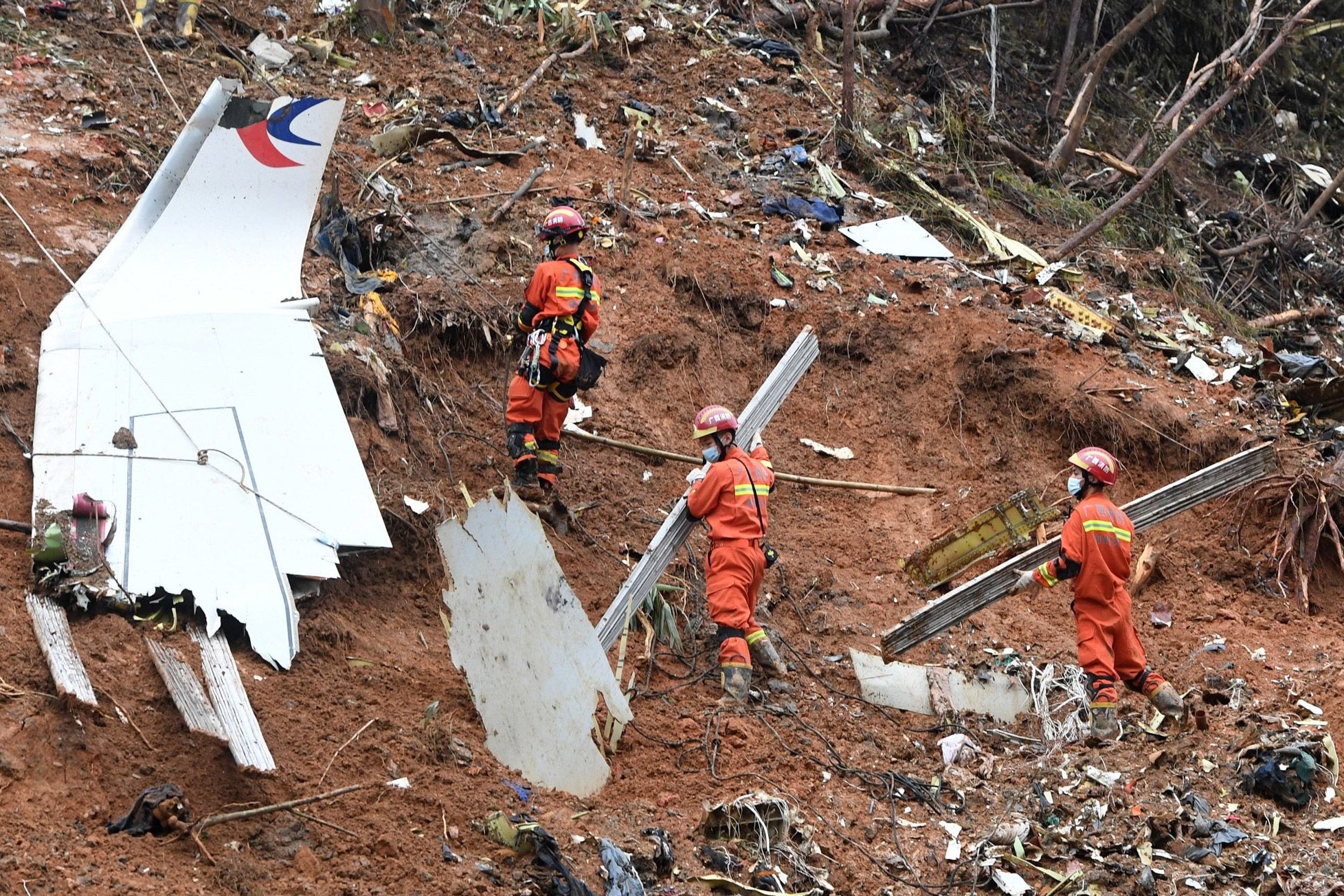
The information, obtained via a Freedom of Information Act (FOIA) request, provides the most specific technical evidence to date regarding the final moments of the Boeing 737-800, which crashed into a mountainside in Guangxi on March 21, 2022, killing all 132 people on board.
“Both Engines Moved to Cutoff”
According to the NTSB’s analysis of the Flight Data Recorder (FDR), the aircraft was cruising normally at an altitude of 29,000 feet when the fuel supply to the engines was abruptly severed.
“It was found that while cruising at 29,000 ft, the fuel switches on both engines moved from the run position to the cutoff position,” the NTSB report stated. “Engine speeds decreased after the fuel switch movement.”
The report clarifies that this action occurred simultaneously. In the cockpit of a Boeing 737-800, these switches are located on the center pedestal and require a deliberate, physical action by a pilot to move them from the “Run” to the “Cutoff” position. This action immediately starves the engines of fuel, causing them to flame out and stop producing thrust.
Updates from Beijing
Despite these findings being analyzed at the NTSB’s laboratory in Washington DC—an involvement necessitated by Boeing’s status as a U.S. manufacturer—the Civil Aviation Administration of China (CAAC) has remained tight-lipped regarding the cause of the nosedive.
The CAAC’s most recent update in 2024, marking the second anniversary of the tragedy, largely reiterated that:
- No mechanical defects were found in the aircraft.
- The crew was qualified and in good health.
- Weather conditions were not a factor.
By ruling out mechanical failure while failing to address the fuel switch data, the CAAC has left a vacuum of information that points increasingly toward intentional human intervention.
Technical Timeline of Flight MU5735
The crash was notable for its extreme vertical profile, with radar tracking showing the plane dropping nearly 30,000 feet in less than two minutes, briefly leveling off before a final, vertical impact.
| Event Time | Altitude | Status |
| 06:20 UTC | 29,100 ft | Normal cruise |
| 06:21 UTC | 29,000 ft | Fuel switches moved to cutoff; engines lose power. |
| 06:22 UTC | 7,425 ft | Rapid descent; aircraft traveling near the speed of sound. |
| 06:23 UTC | 0 ft | Impact in Tengxian County, Guangxi. |
Implications for the Aviation Industry
The NTSB data corroborates earlier reports from Western intelligence sources suggesting that flight deck inputs pushed the plane into its dive. However, without a final report from the CAAC—which holds the primary authority over the investigation—the official cause remains “undetermined.”
The disclosure of the fuel switch data adds immense pressure on Chinese regulators to provide a transparent account of the cockpit environment and the psychological state of the flight crew, a subject that has remained a sensitive topic for the state-owned carrier.