


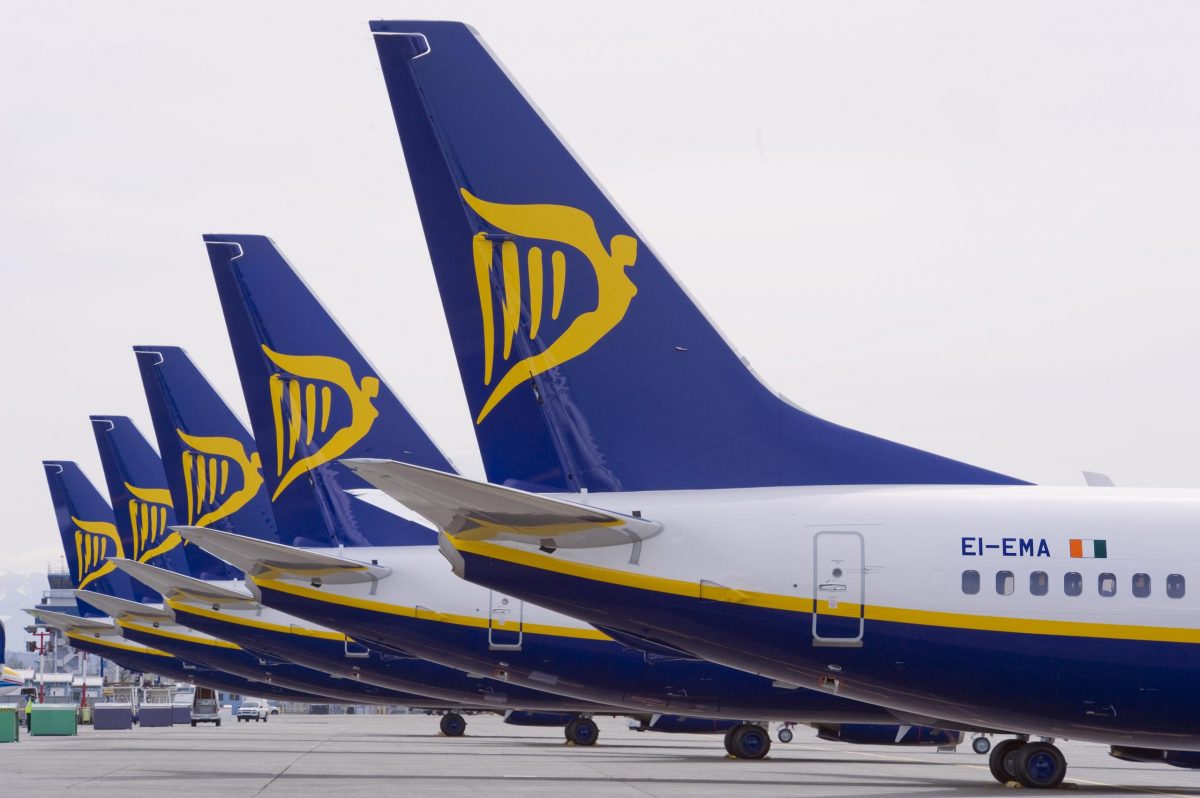
BERLIN – Ryanair has officially announced the closure of its seven-aircraft operating base at Berlin Brandenburg Airport (BER), effective October 24, 2026. The move will result in a 50% reduction of the airline’s flight capacity to and from the German capital, marking a significant escalation in the ongoing feud between the budget carrier and German aviation authorities.
The airline confirmed that all seven aircraft currently stationed in Berlin will be reallocated to lower-cost regions including Sweden, Slovakia, Albania, and Italy, countries that have recently moved to abolish or reduce aviation taxes.
Rising Costs Drive Departure
In a scathing statement, Ryanair DAC CEO Eddie Wilson attributed the withdrawal to “sky-rocketing” airport fees and a “harmful” national aviation tax policy. According to the airline:
- Airport Fees: Charges at BER have reportedly increased by 50% since 2019, with a further 10% hike scheduled between 2027 and 2029.
- Aviation Tax: Germany’s aviation tax has more than doubled since 2019, rising from €7.30 to €15.50 per passenger.
- Regulatory Costs: Security fees are expected to hit €20 per passenger by 2028, while air traffic control fees have tripled.
Impact on Passengers and Staff
The closure is expected to result in the loss of more than 2 million seats per year. Passenger traffic for Ryanair in Berlin is projected to collapse from 4.5 million to approximately 2.2 million by 2027. While Ryanair will continue to serve Berlin using aircraft based outside of Germany, several routes—including those to UK hubs like Birmingham and Manchester—are expected to face significant frequency cuts or cancellations.
Approximately 200 pilots and cabin crew based in Berlin have been notified of the closure. Ryanair has stated that staff consultations will begin shortly, and all affected crew members will be offered the opportunity to relocate to other bases within the airline’s expanding European network.
A Struggling Market
The announcement comes as Berlin Brandenburg Airport continues to struggle with a slow post-pandemic recovery. Traffic at BER dropped from 36 million passengers in 2019 to 26 million in 2025, a 30% collapse that Ryanair argues is being exacerbated by high costs rather than incentivized recovery.
Berlin Airport CEO Aletta von Massenbach expressed surprise at the move, noting that the airport is still in negotiations with airlines and claiming that some of the fee increases cited by Ryanair are not currently planned.