

LONDON / DUBAI / SINGAPORE – March 26, 2026 – A month of escalating military conflict in the Middle East has sent shockwaves through the global aviation industry, forcing major carriers to abandon price stability in favor of aggressive fare hikes and fuel surcharges. As the Strait of Hormuz remains effectively impassable, the resulting “jet fuel crunch” has seen kerosene prices nearly double, leaving airlines with little choice but to pass the burden onto travelers.
The Fuel Shock in Numbers
According to the latest data from the International Air Transport Association (IATA), jet fuel prices have surged from a pre-conflict average of $85–$90 per barrel to as high as $200 in some regional hubs.
The crisis is particularly acute in Asia and Europe, where reliance on Persian Gulf exports is highest. In Singapore, the regional benchmark for aviation fuel (Jet A-1) peaked at $230 per barrel this week—a staggering 135% increase from February levels.
Airlines Leading the Price Surge
Across the globe, carriers have begun revising their ticket pricing structures, with some increases taking effect immediately:
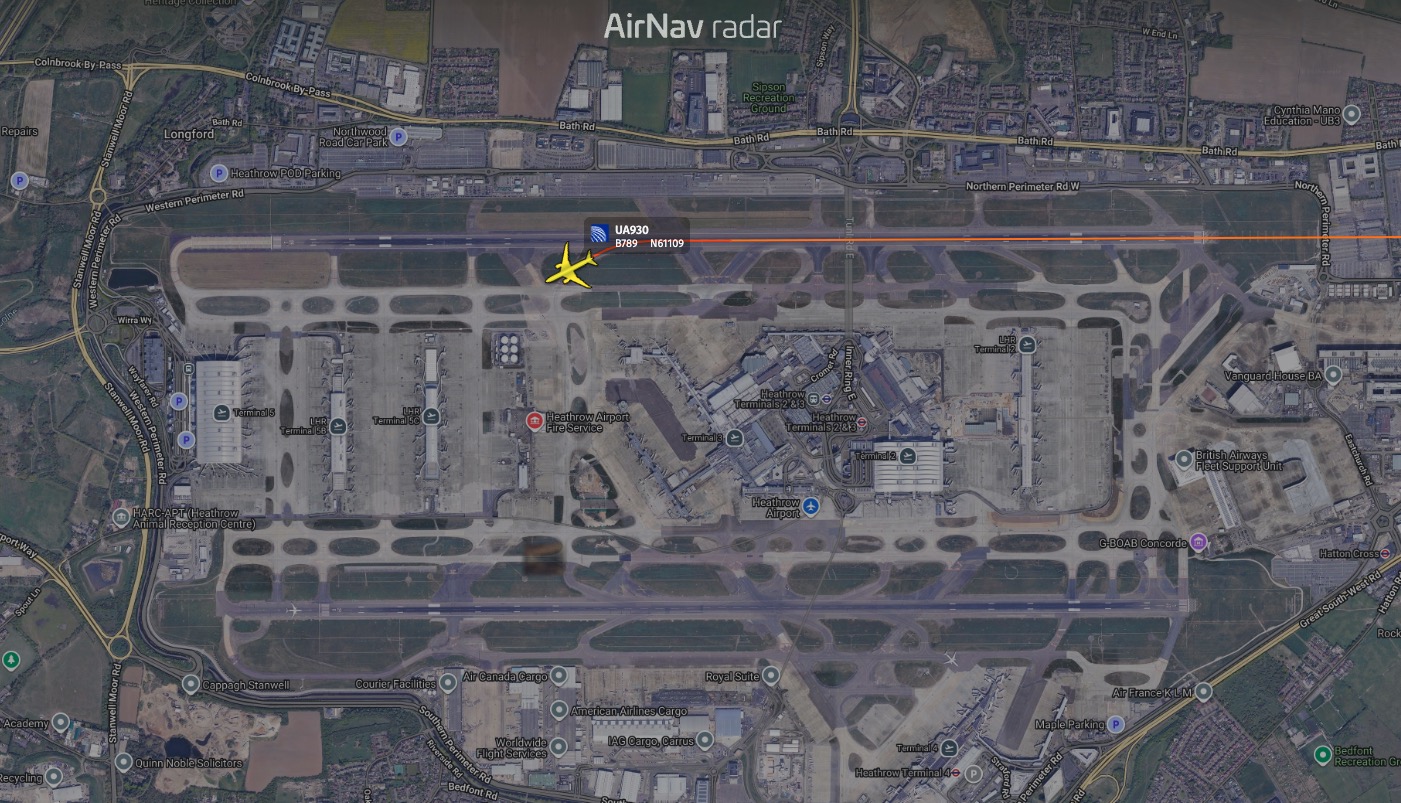
- United Airlines: CEO Scott Kirby warned that fares booked in recent days are already up 15% to 20% as the airline works to offset a $400 million monthly spike in fuel expenses.
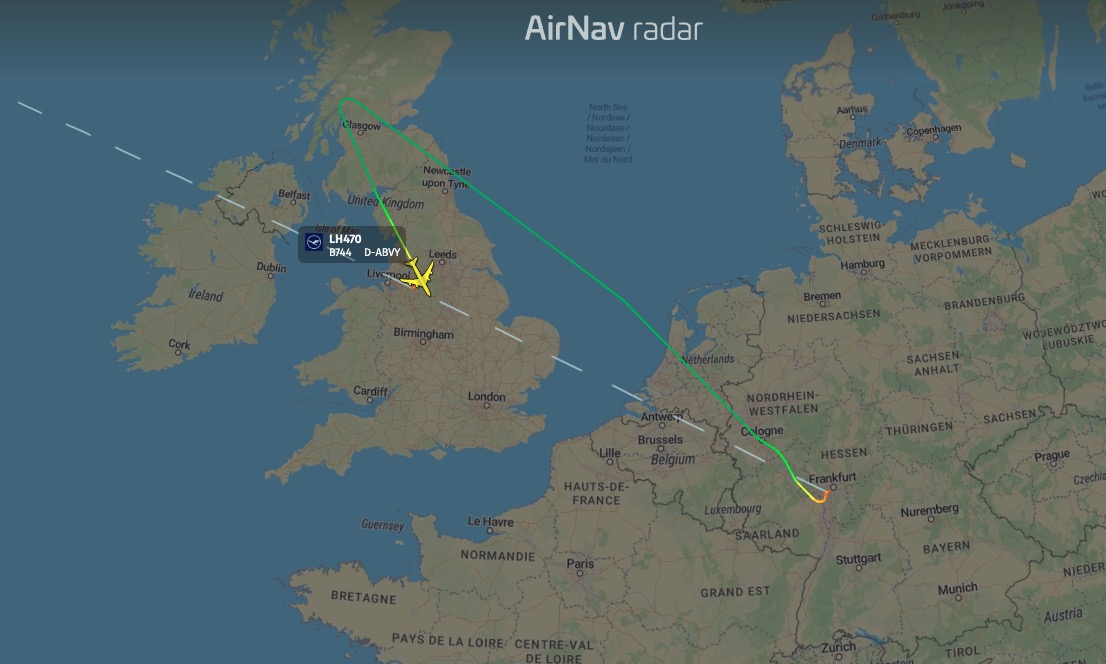
- Lufthansa and Air France-KLM: The European giants have warned of sustained fare increases as their fuel hedges begin to unwind. Lufthansa has already added 40 additional flights to Asia to bypass Gulf disruptions, further increasing operational costs.
- Qantas & Air New Zealand: Both carriers have implemented immediate price adjustments, citing the “volatility and surge” in regional energy markets.
- Asian Low-Cost Carriers (LCCs): Budget airlines, including Jeju Air, T’way Air, and VietJet, are facing the most severe pressure. In Vietnam, airfares on certain international routes have reportedly jumped by up to 70%, with some carriers considering grounding portions of their fleets.
- Direct Surcharges: Carriers like Malaysia Airlines, All Nippon Airways (ANA), and China Southern have introduced or raised specific fuel surcharges ranging from $5 to over $380 per ticket, depending on the distance.
Longer Routes, Higher Burn
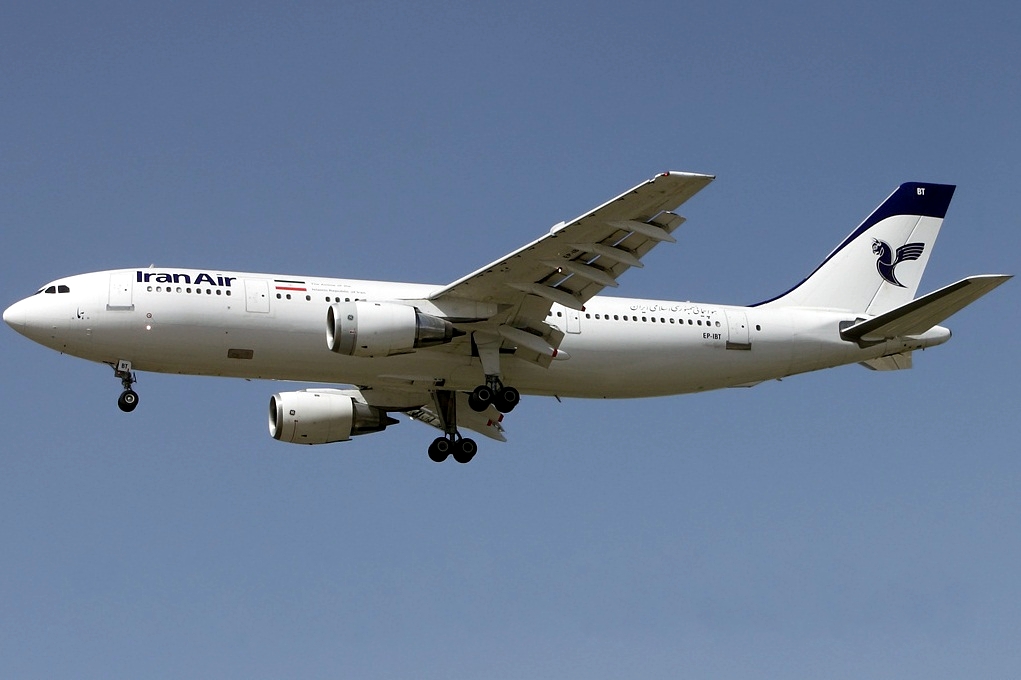
Beyond the raw cost of fuel, the military situation has forced a massive rerouting of global air traffic. With airspace over Iran and parts of the Gulf closed or restricted, flights between Europe and Asia are taking much longer paths.
These “detour routes” add hours to flight times, significantly increasing fuel consumption and further tightening the supply of available aircraft. Travel experts now warn that the “Goldilocks Window”—the period for finding affordable summer travel—has effectively slammed shut.
Looking Ahead: A Summer of Uncertainty
Industry analysts predict that even if the conflict de-escalates tomorrow, the “lag effect” of fuel pricing means high fares are likely to persist through the autumn of 2026. For now, the message to travelers is clear: book now or pay significantly more later.