


What was supposed to be a routine long-haul journey turned into a five-hour airborne nightmare on Tuesday, September 8, 2026, when a British Airways flight suffered a dual strike of technical trouble and national airspace paralysis.
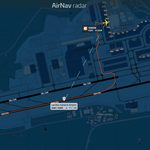
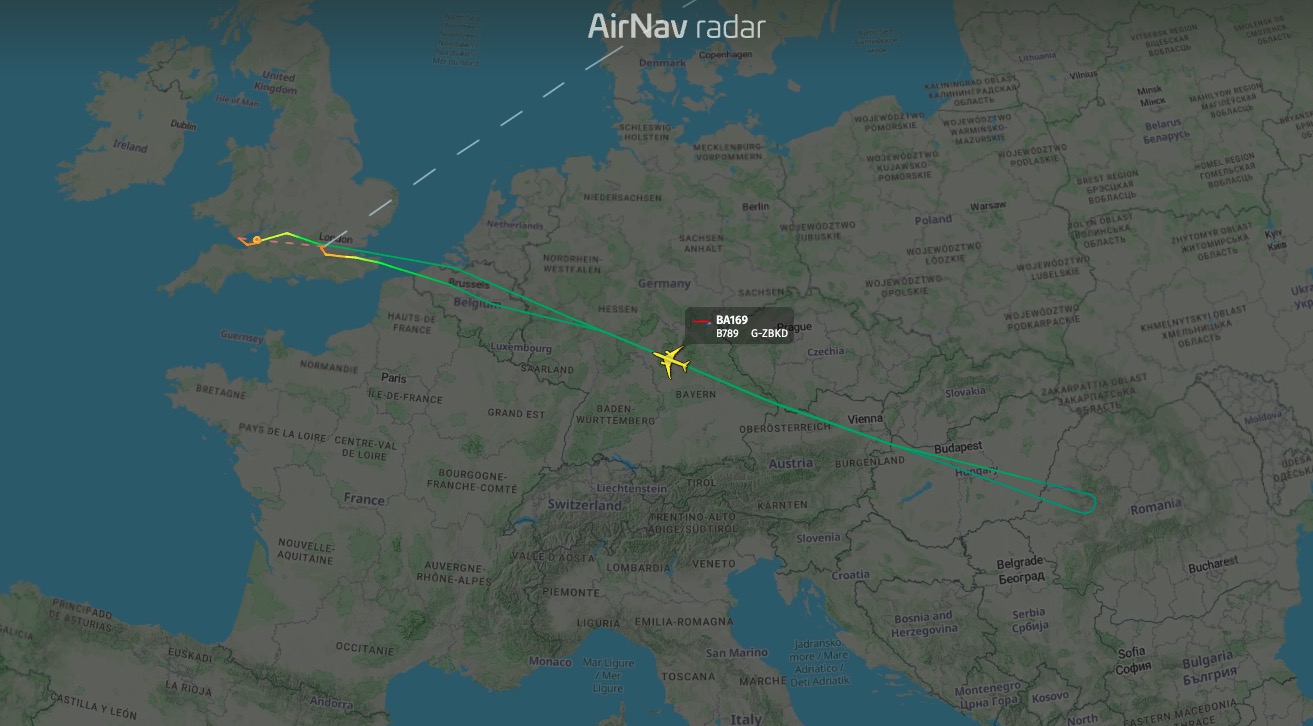
British Airways flight BA169 pushed back from Terminal 5’s Gate B45 at London Heathrow at 12:08 BST, taking off smoothly from runway 27L. The 10-year-old Boeing 787-9 Dreamliner (registration G-ZBKD) climbed normally to its cruising altitude of 35,000 feet, heading east over continental Europe.
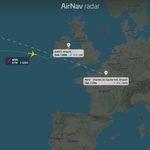
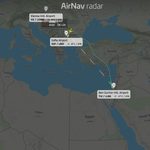
However, two and a half hours into the trip, while cruising over Romania, the flight crew identified a technical issue with the aircraft. Standard protocol dictated a return to base, and the pilots banked the widebody jet around to head all the way back to London, where the airline aimed to swap aircraft and reschedule departure for 18:00 BST. But that plan unravelled as the flight approached British airspace.
While BA169 was mid-transit back across Europe, National Air Traffic Services (NATS) suffered a major equipment failure. The air traffic control system outage grounded all inbound and outbound flights across London’s airport network, throwing air traffic into immediate disarray.
Denied clearance into Heathrow’s holding patterns, the weary Dreamliner was diverted west toward Wales. Controllers vectored the jet to Cardiff Airport, where it finally touched down, nearly five hours after initially departing Heathrow, having effectively flown a circle to nowhere.
With crew operating hours expiring and aircraft positioning disrupted across the network, British Airways was ultimately forced to cancel the flight, leaving passengers stranded far from their intended destination after a grueling day in the air.