


COLOGNE, Germany — The European Union Aviation Safety Agency (EASA) has issued an emergency airworthiness directive ordering urgent structural inspections on 16 Airbus A380 superjumbos. The directive follows the discovery of cracks in the aircraft’s wing mid spars, sparking fresh discussions regarding the long-term maintenance needs of the world’s largest passenger airliner as the fleet continues to age.
The emergency directive, issued on June 22 and taking effect on June 24, 2026, requires operators to check specific structural components inside the wing box. According to aviation regulators, an evaluation of data from previous inspections revealed that the cracks could potentially compromise the structural integrity of the wings if left unaddressed.
Impact on Operators
The mandate specifically targets 16 aircraft currently operated by two major long-haul carriers:
- Emirates: 15 aircraft affected
- Qantas: 1 aircraft affected
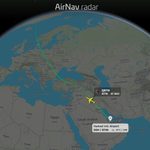
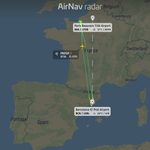
The strict directive divides the affected aircraft into two urgency categories. Five of the affected superjumbos—all belonging to Dubai-based Emirates—have been grounded immediately and must undergo inspections before they are permitted to take to the skies again with passengers. EASA has allowed limited ferry flights without passengers to let airlines move these specific jets to maintenance facilities. The remaining 11 aircraft are permitted to fly but must be inspected within their next 25 flight cycles.
Australia’s national carrier, Qantas, confirmed that its single affected airframe (registration VH-OQI) is already undergoing heavy maintenance in Dresden, Germany. The airline stated that the required inspections would not disrupt its current scheduling or operations.
An Ongoing Structural Challenge
While this directive highlights the unique engineering demands of managing an aircraft with a nearly 80-meter wingspan, EASA emphasized that the issue does not present an immediate threat to the wider A380 fleet, nor has it grounded the model entirely.
The A380 has a history of wing-related maintenance scrutiny. In 2012, EASA mandated fleet-wide checks after micro-cracks were discovered in the “rib feet” brackets connecting the wing’s inner framework to its outer skin. Later, in 2019, regulators turned their focus toward cracks appearing on the outer rear spars, an issue that became more pronounced post-pandemic when older models returned to service after lengthy periods in storage.
What sets this latest directive apart is its focus on the mid spars—the central structural beams running through the internal wing box—rather than the outer components or brackets inspected in years past.
Airbus has developed an additional detailed inspection program for the mid spars and instructed operators to report back findings within seven days. Any aircraft found with structural discrepancies must be repaired before returning to commercial service. Regulators have indicated that further actions could follow depending on what the data from this initial 16-aircraft sweep reveals.