

The global aviation industry is bracing for a “no-fuel” scenario as a critical jet fuel shortage is expected to hit major international hubs in less than a week. Driven by the intensifying conflict in Iran and the effective closure of the Strait of Hormuz, supply chains that provide nearly 20% of the world’s oil have been severed, sending the industry into a tailspin.
Europe and UK on High Alert
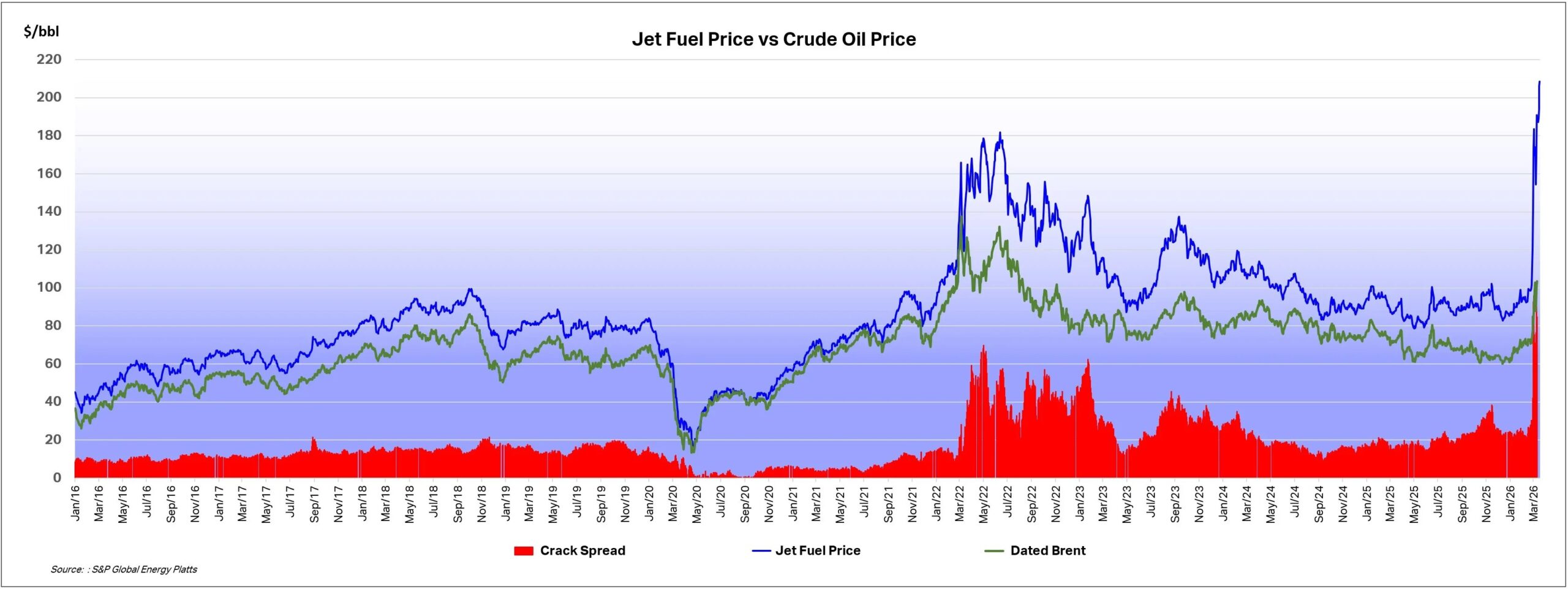
Multiple major European airport hubs have begun informing airlines to prepare for an emergency “dry-out.” With jet fuel prices in Europe skyrocketing by over 100% in just three weeks, several EU and UK hubs are reportedly only days away from a total fuel exhaustion.
Suppliers, who usually provide months of forward guidance, are now refusing to guarantee availability beyond the next few days. The International Air Transport Association (IATA) warned that European jet fuel security is currently resting on a razor-thin margin of commercial inventory.
Global Impact: Cancellations and Route Risks
The ripple effects are already being felt across Scandinavia and Southeast Asia:
- Scandinavia: Carriers have already cancelled over 1,000 domestic flights to preserve remaining stockpiles for essential international connections.
- Vietnam: Authorities have begun cutting the domestic flight network as local refineries struggle to keep up with the sudden drop in imports.
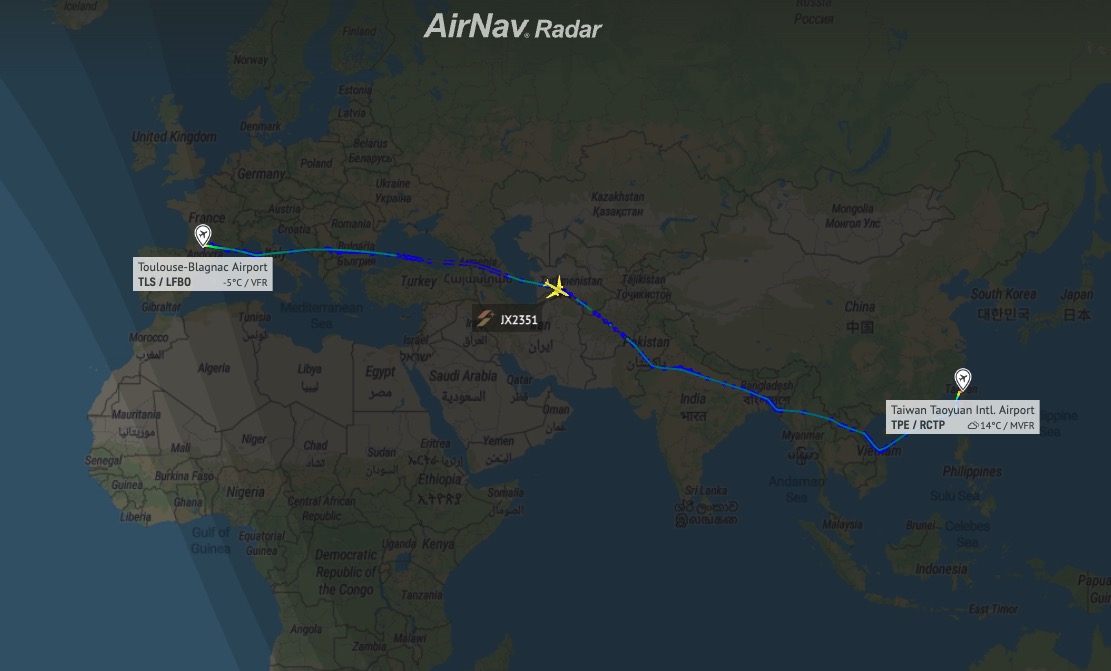
- Air France: The carrier has identified its Asian routes as being at the highest risk. The company warned that while aircraft can fly to Asia, there are “no assurances” they will be able to refuel for the return journey, potentially grounding hundreds of long-haul passengers.
“No Assurances” in Australia
In the Southern Hemisphere, the situation is equally dire. Sydney Airport management has issued a stark warning, stating there are “no assurances” that it will receive its scheduled jet fuel shipments next week.
Australia, which relies on imports for roughly 90% of its refined fuel, is particularly vulnerable. Energy experts note that while national reserves exist, the logistics of moving fuel to the wings of planes at major hubs like Sydney are becoming nearly impossible as Asian suppliers like South Korea and China move to restrict exports to protect their own domestic markets.