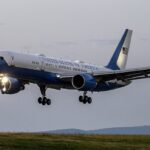



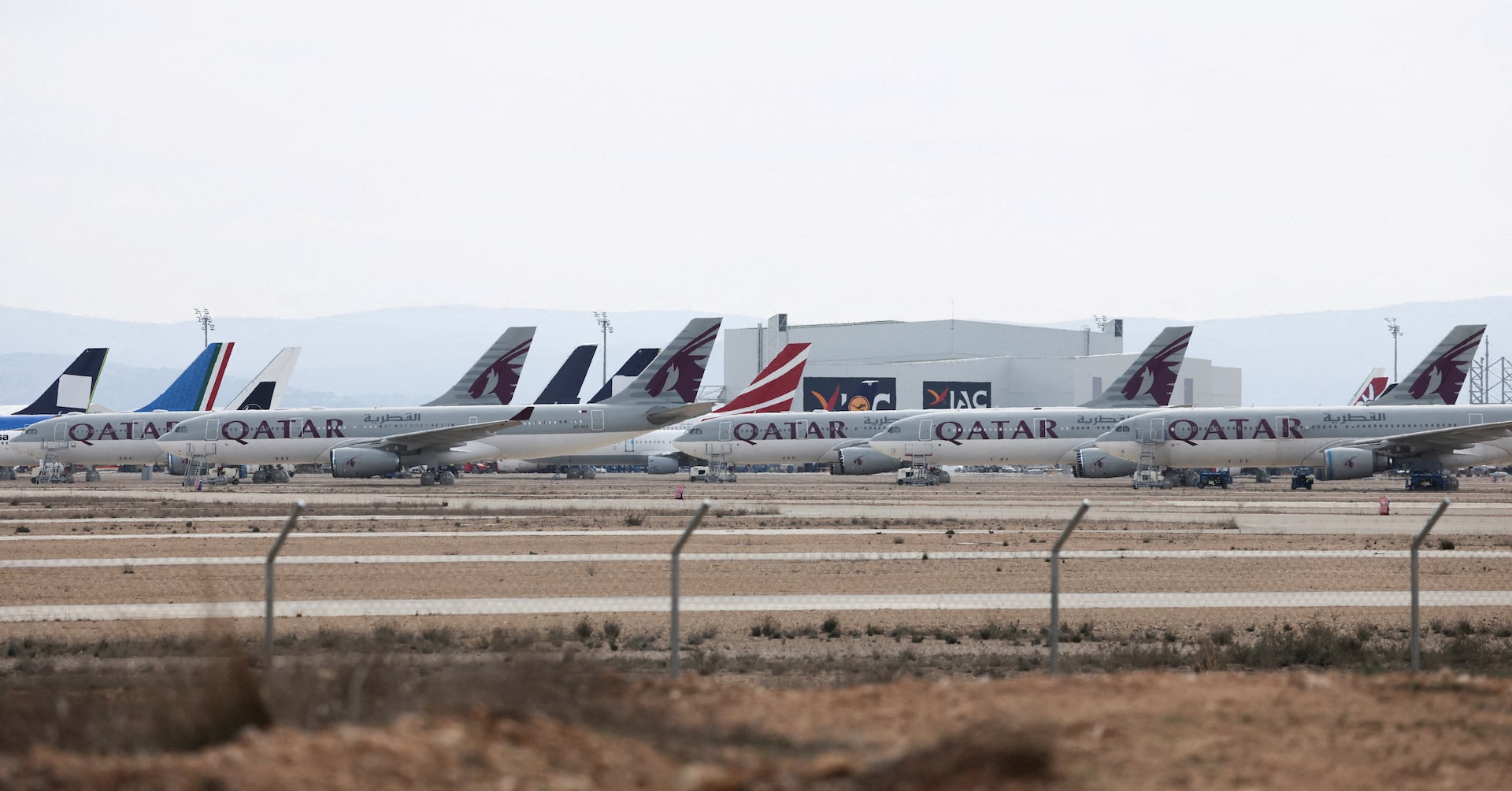
Qatar Airways is signaling a prolonged period of reduced operations as it continues to ferry high-value aircraft to the Teruel Airport in eastern Spain for long-term storage.
TERUEL, SPAIN – The move comes amid significant regional instability and airspace closures in the Middle East that have forced the Doha-based carrier to slash its flight schedule.
According to latest tracking data, the airline’s presence at the storage facility has surged to 20 aircraft as of today.
A Mass Exodus to the “Aircraft Graveyard”
The high-altitude, dry climate of Teruel makes it one of the world’s premier locations for preserving aircraft, as it minimizes the risk of corrosion. What was once a rare sight post-pandemic has now become a bustling “parking lot” for Qatar’s widebody fleet.
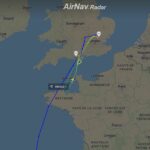
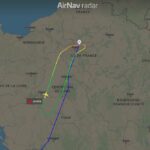
Currently en route to Teruel:
- 1 Airbus A350-1000 (Ferrying from Los Angeles)
- 4 Airbus A330-300s (Ferrying from Doha)
These new arrivals join an already significant lineup of Qatar Airways jets currently grounded at the facility:
- 5 Airbus A330s
- 4 Airbus A350s
- 1 Airbus A380 “Superjumbo”
- 1 Boeing 787-9 Dreamliner
- 1 Boeing 787-8 Dreamliner
- 1 Airbus A320
Strategic Retreat Amid Regional Conflict
The decision to evacuate these assets to Europe is a direct response to the ongoing conflict in the Middle East. With Qatari airspace facing intermittent closures and heightened security risks, the airline has been operating a “skeleton service” since mid-March 2026.
By moving the jets to Spain, Qatar Airways is not only protecting its fleet from potential physical threats in the region but also mitigating the massive operational costs of parking widebody aircraft at major international hubs.
Outlook for Recovery
While Qatar Airways recently announced a limited resumption of flights to select destinations in Western Europe and Asia, the heavy reliance on deep storage suggests a cautious outlook. The airline has already extended the suspension of several European routes until at least May 2026.
For now, the sands of Teruel will hold a significant portion of Qatar’s long-haul capacity, waiting for a stabilization in the geopolitical climate before they can return to the skies.