
In a high-stakes operation described as one of the most harrowing missions in the annals of U.S. Special Operations, hundreds of elite commandos successfully extracted an American airman from the rugged mountains of Southern Iran.
SOUTHERN IRAN – The rescue concludes a frantic 48-hour race against time that pitted the full might of the U.S. military against treacherous terrain and encroaching Iranian forces South of Isfahan.
A Desperate Game of Hide-and-Seek
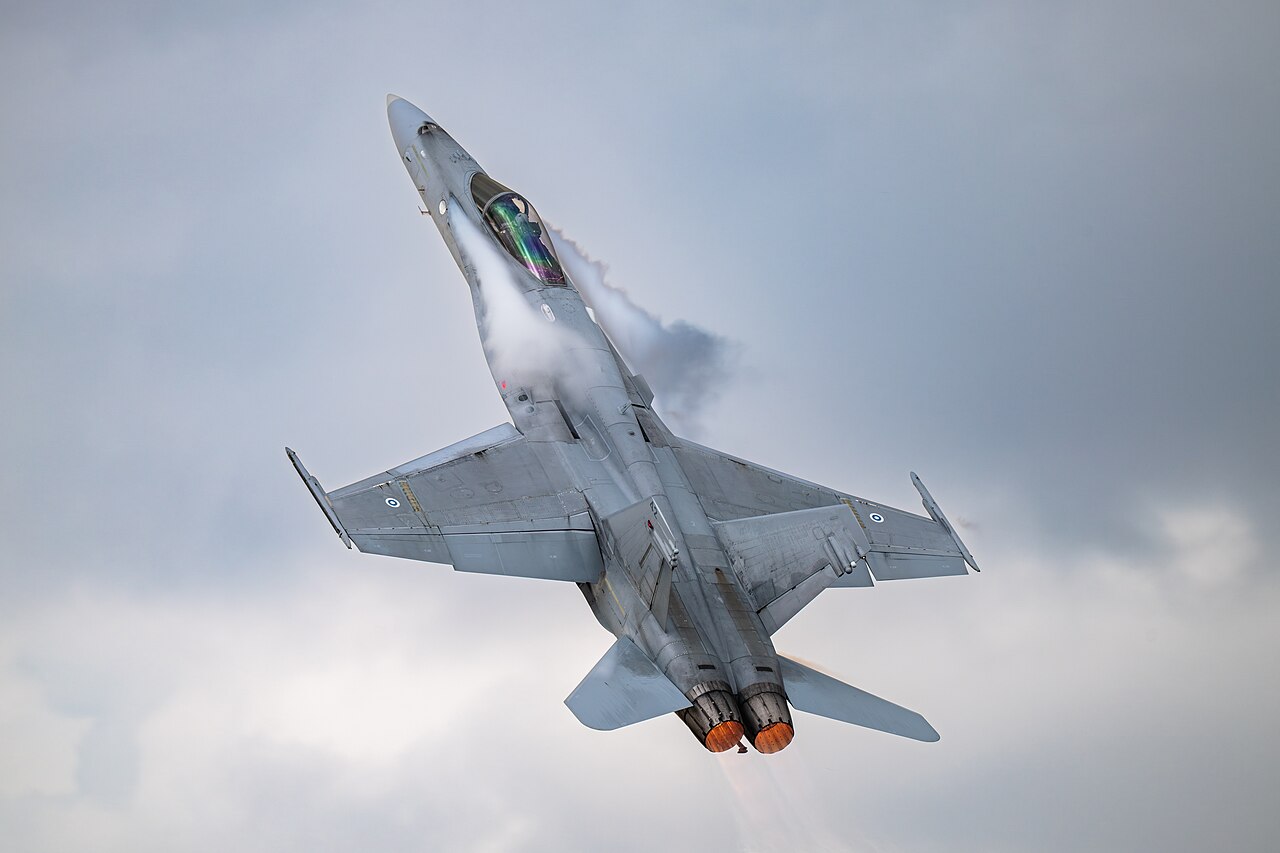
The ordeal began Friday when an F-15E Strike Eagle went down over Iranian territory. The American Weapons System Officer (WSO) managed to eject, beginning a grueling 24-hour evasion sequence.
Despite sustaining injuries during the ejection, the airman demonstrated extraordinary resilience. According to senior military officials, the WSO:
- Hiked up a 7,000-foot ridgeline to gain a tactical advantage.
- Evaded IRGC patrols for over a day in hostile territory.
- Took refuge in a mountain crevice, remaining invisible to ground trackers.
“He was invisible to the naked eye,” a senior administration official told Axios. “It was only through advanced CIA surveillance capabilities that we were able to maintain a lock on his position.”
“Complexity Beyond Precedent”
To ensure the airman didn’t fall into the hands of the Islamic Revolutionary Guard Corps (IRGC), the Pentagon launched a massive, multi-domain recovery effort. The operation involved:
- Elite Personnel: Members of U.S. Navy SEAL Team Six and hundreds of support troops.
- Air Superiority: Dozens of fighter jets and attack aircraft providing a “ring of fire” around the extraction zone.
- Tactical Strikes: U.S. aircraft dropped ordnance and engaged Iranian convoys to prevent them from closing in on the airman’s hiding spot.
While Special Forces fired weapons to suppress the perimeter and keep Iranian units at bay, officials emphasized that they managed to avoid a direct, sustained firefight with Iranian regulars.
The Final Twist: Scorched Earth at the Extraction Site
The mission nearly took a disastrous turn during the extraction phase. After the WSO was secured, the two primary transport planes—likely C-130 Hercules aircraft—became disabled at a remote, improvised landing site within Iran.
Faced with the prospect of American technology falling into enemy hands, commanders made a series of split-second decisions:
- Reinforcements: Three additional transport planes were scrambled to the site.
- The Extraction: All commandos and the rescued WSO were successfully loaded onto the new aircraft.
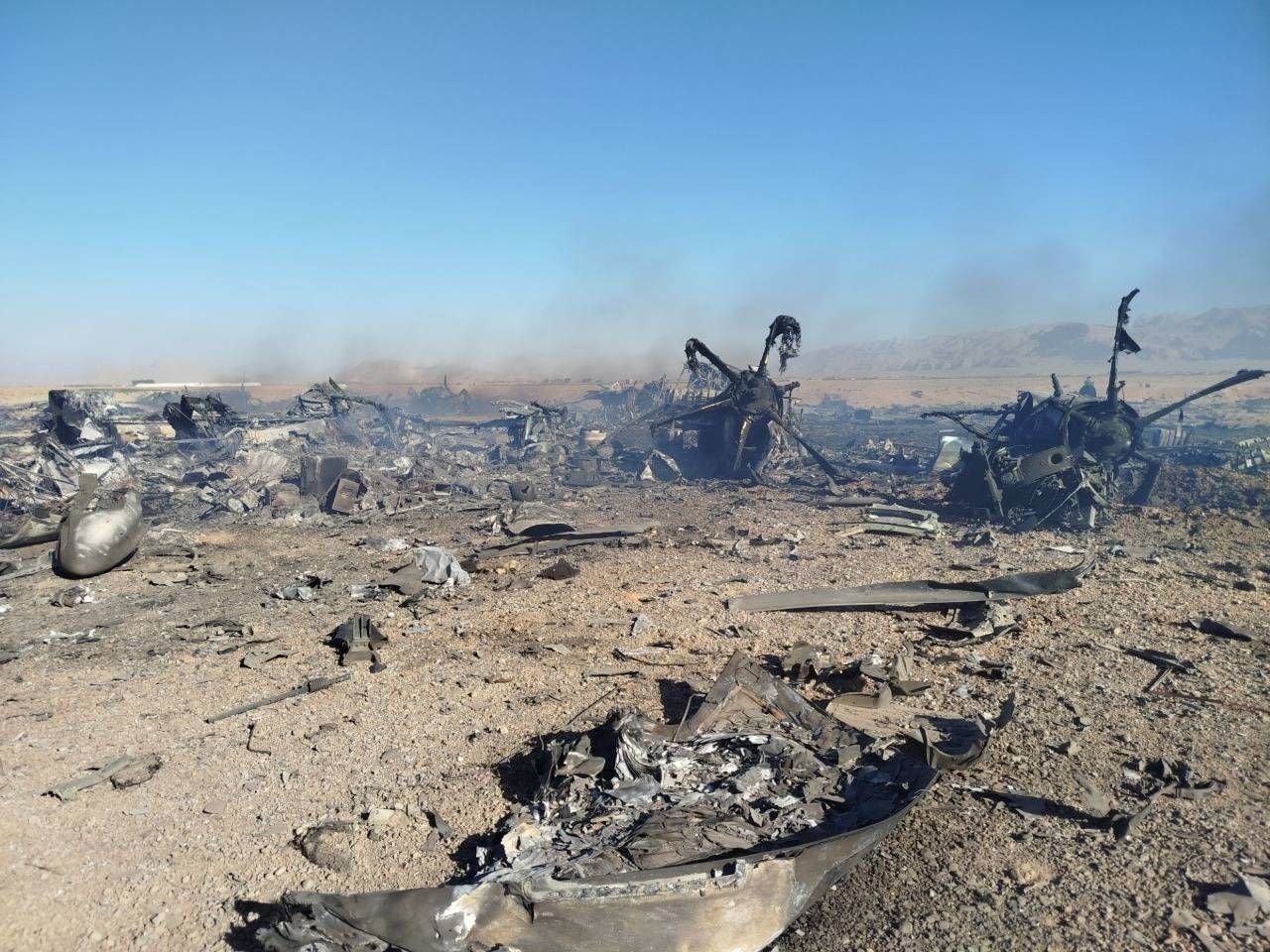
- Denial of Assets: In a “scorched earth” move, U.S. forces blew up the two disabled transport planes, leaving nothing but charred remains for the IRGC.
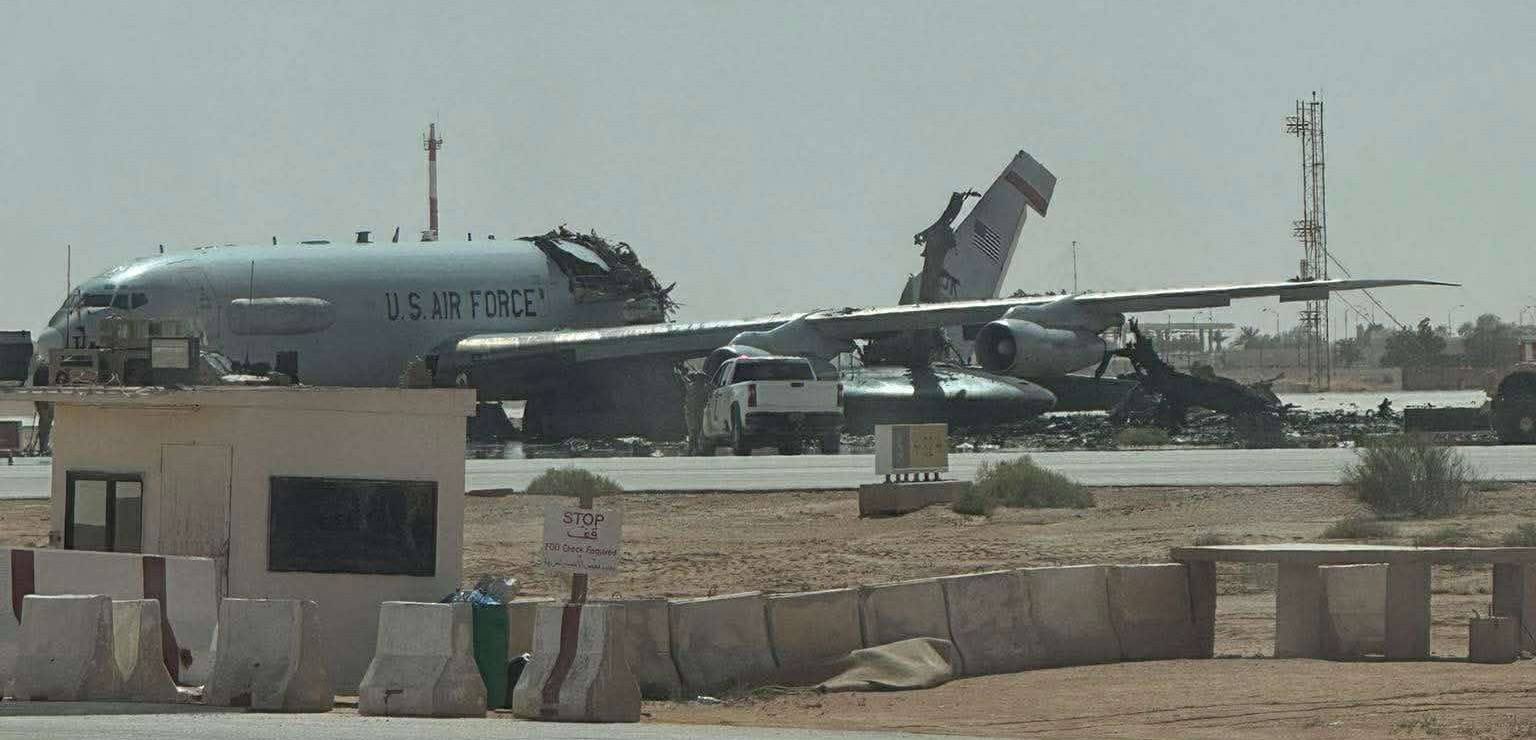
The wreckage of a U.S. MH-6 Little Bird helicopter was spotted next to the remains of HC-130J Combat King II rescue aircraft that were destroyed by U.S. airstrikes in Iran to prevent them from falling into IRGC hands.
Current Status
The WSO is currently receiving medical treatment at an undisclosed U.S. facility. While the airman is able to walk, the extent of the injuries sustained during the ejection and the subsequent 7,000-foot climb are being evaluated.