


Russian President is expected to meet with U.S. President in Hungary, but how will Putin’s aircraft reach Budapest without access to European Union airspace?
Hungarian Prime Minister Viktor Orbán celebrated the announcement that Donald Trump and Vladimir Putin will meet in Budapest to discuss ending the war in Ukraine.
“The planned meeting between the American and Russian presidents is great news for the peace-loving people of the world,” Orbán said in a post on X on Thursday. “We are ready!”
“I just got off the phone with President Trump,” Orbán wrote in a subsequent post. “Preparations for the USA-Russia peace summit are underway.” Trump said he and Putin had held a lengthy phone call earlier in the day, in which “great progress was made,” and that the two leaders had agreed to meet in the Hungarian capital.
Flight Path Headache
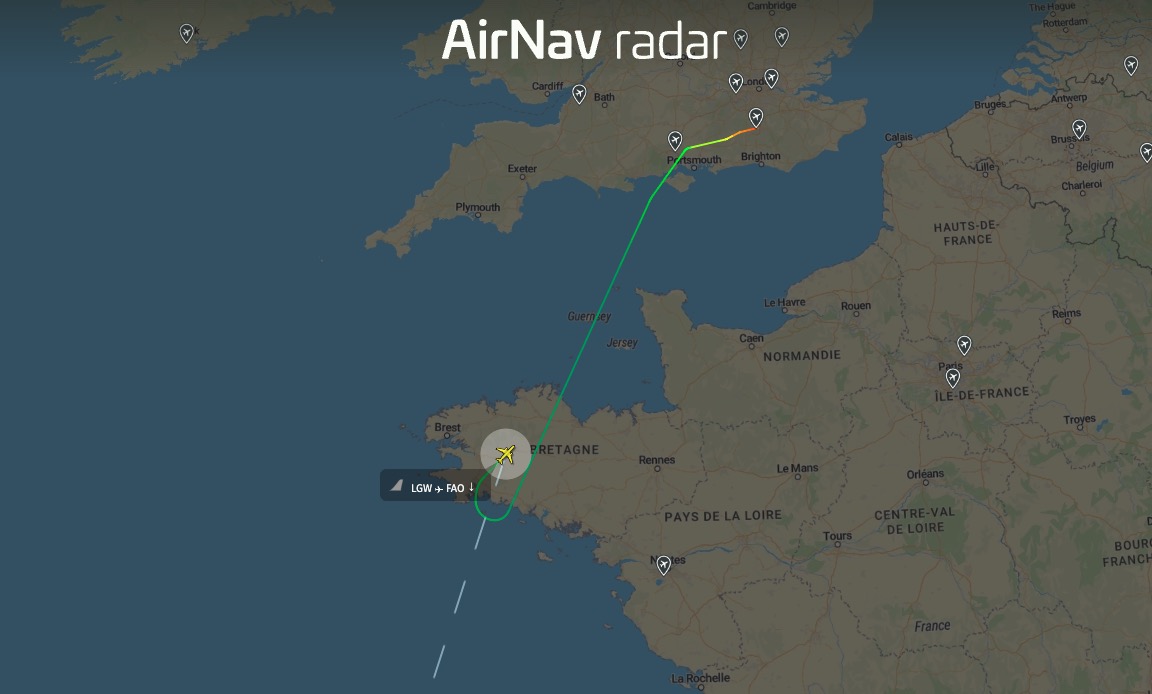
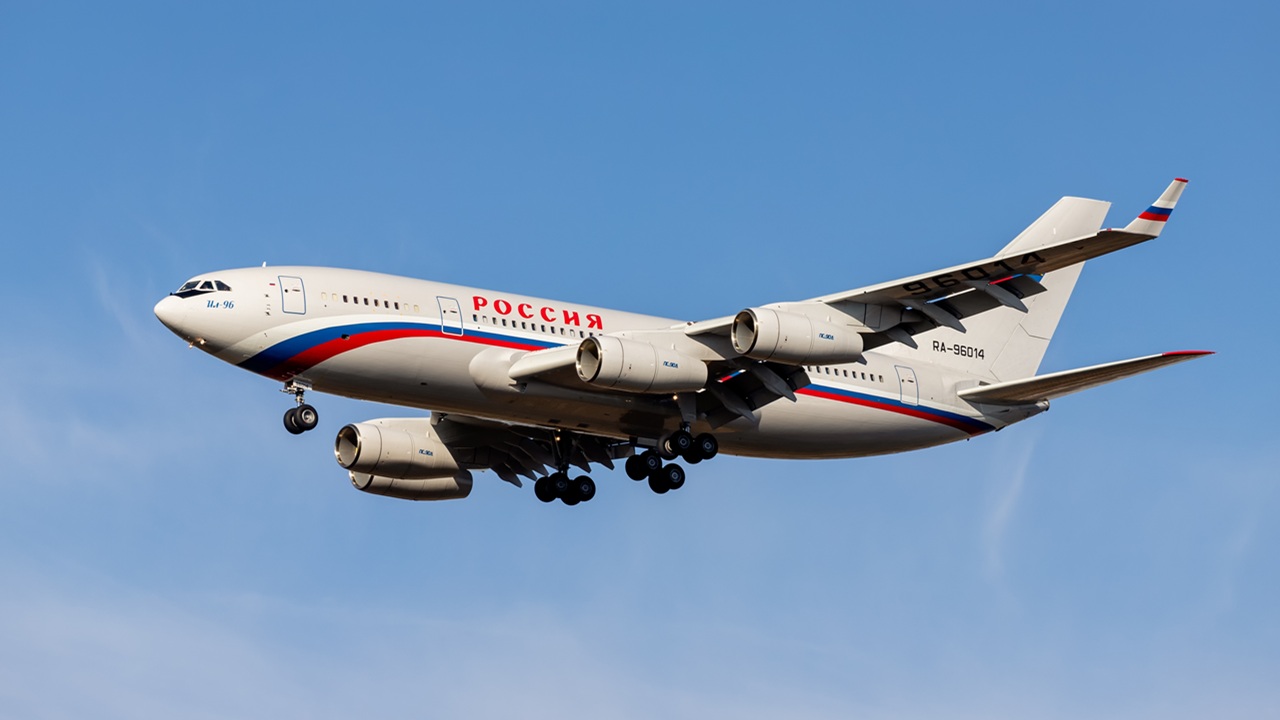
Due to ongoing EU sanctions and airspace restrictions against Russia following its invasion of Ukraine, Russian government aircraft, including the presidential Ilyushin Il-96, are banned from flying over most of Europe. That means Putin’s route to Hungary must avoid the vast majority of EU member states, even though Hungary itself is a part of the bloc.
Flight Time and Risks
This rerouted flight path could be about 5,000 km and would increase flight time by roughly 3 hours compared to the direct route of 1,500 km. While the Russian presidential aircraft is fully capable of long-haul flights, the extended route will require careful coordination with Turkish and Serbian air traffic control and potential contingency plans in case of weather or diplomatic complications.
Security experts note that flying over the Black Sea still presents operational risks, especially given the military activity in the region.
Not the First Workaround
This would not be the first time Putin or other Russian officials have had to take creative routes to attend international summits. Since the imposition of Western airspace bans in early 2022, Russian diplomatic aircraft have had to detour via Central Asia, the Middle East, or the Balkans to reach destinations once a few hours away.
In June 2023, for example, Russian Foreign Minister Sergey Lavrov took a circuitous route via Iran and North Africa to reach a BRICS meeting in South Africa.
Conclusion
Putin’s journey to Budapest underscores how geopolitical isolation continues to reshape even the logistics of diplomacy. While Hungary offers a rare opening in the EU for a face-to-face meeting with Trump, the flight there is anything but simple.
As of now, no official flight plan has been released, but the Turkish-Serbian corridor appears to be the most practical route for the Russian president to arrive in Hungary.