

LONDON — Operations at London Luton Airport were plunged into chaotic disruption after a lightning strike hit vital air traffic control (ATC) equipment, forcing a temporary halt to all flight operations. The unexpected disruption left multiple inbound aircraft circling over South East England, resulting in low-fuel emergencies declared by two separate flights.
The incident occurred during a period of severe thunderstorm activity across the region. Air traffic controllers lost critical equipment capabilities, compelling the airport to suspend arrivals and departures while technical teams assessed the damage and restored system integrity.
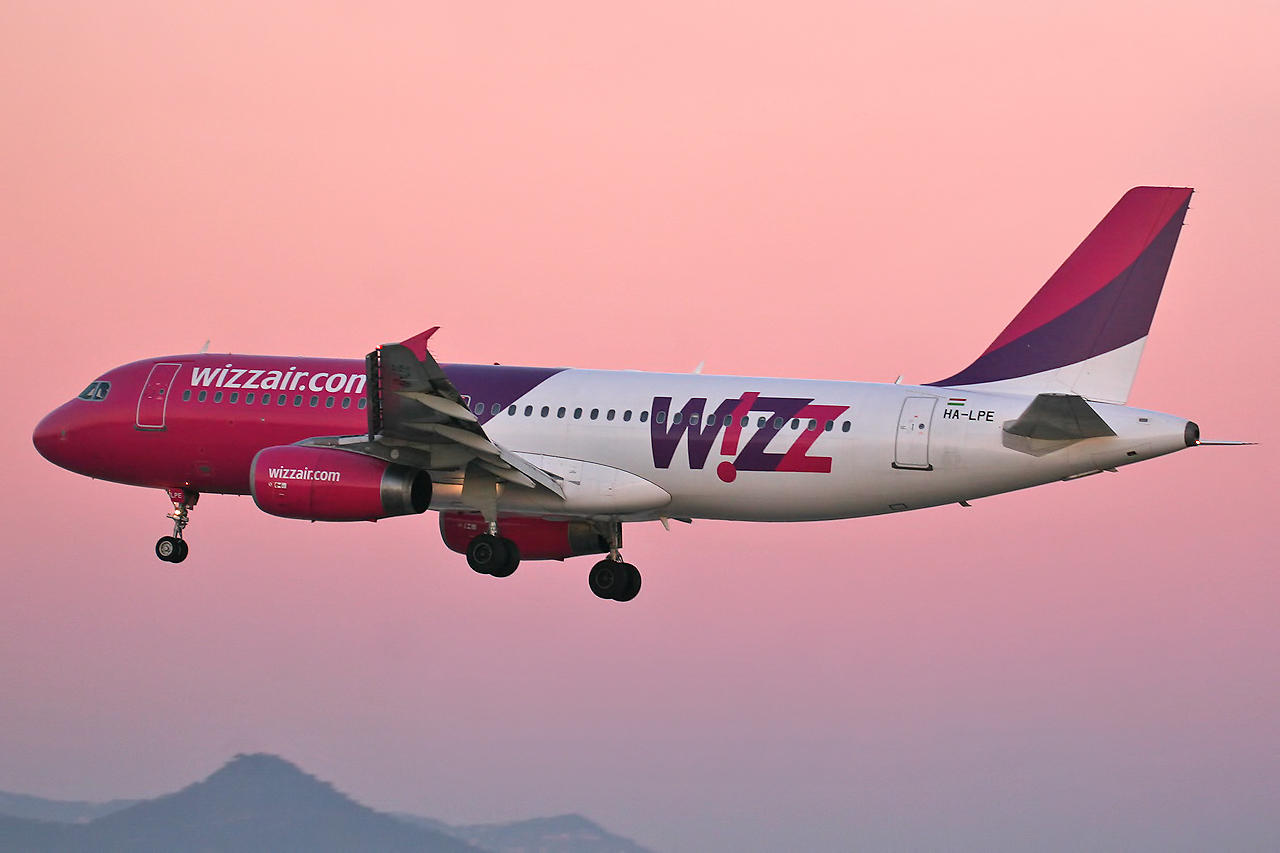
As holding patterns around the airport stretched on, the delay severely impacted flights nearing their reserve fuel limits. Two incoming Wizz Air flights issued emergency squawk codes to air traffic control after running low on fuel:
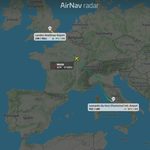
- Wizz Air Flight W95378, arriving from Turin, declared an emergency mid-hold over the London area. Pilots transmitted a 7700 emergency code before diverting south to land at London Gatwick Airport.
- Wizz Air Flight W92601, en route from Prague, similarly declared a low-fuel emergency while waiting for clearance. The crew opted for a priority diversion, landing safely at London Stansted Airport.
Both aircraft landed without incident at their alternate destinations, and emergency ground crews met the planes as a precautionary measure. No injuries were reported among the passengers or crew on either flight.
London Luton Airport later confirmed that ground technicians successfully resolved the technical issues caused by the lightning strike, allowing flight operations to resume.
An airport spokesperson apologized for the disruption, noting that while flights have restarted, passengers should expect residual delays and schedule adjustments throughout the rest of the evening as airlines work to reposition aircraft and crews. Aviation authorities and Wizz Air have launched standard reviews into the handling of the emergency diversions.