

AIRLIVEAIRLIVE
  • News
  • Emergency
  • Accident
  • Incident
  • Tracking
  • Military
  • Space
  • Reports
  • Exclusive
  • CamsLIVE
Notification Show More
AIRLIVEAIRLIVE
Search
  • News
  • Emergency
  • Accident
  • Incident
  • Tracking
  • Military
  • Space
  • Reports
  • Exclusive
  • CamsLIVE
Follow US
AIRLIVE Aviation news network
Get aviation breaking news on WhatsApp
AIRLIVE > All articles > News > NASA image of the day: Supernova Seen In Two Lights
News

NASA image of the day: Supernova Seen In Two Lights

Last updated: August 21, 2014, 14:51 UTC
Published: Thursday, August 21, 2014, at 14:51 UTC
Category: News
Author: Melanie Kraft
SHARE
The destructive results of a mighty supernova explosion reveal themselves in a delicate blend of infrared and X-ray light, as seen in this image from NASA’s Spitzer Space Telescope and Chandra X-Ray Observatory, and the European Space Agency’s XMM-Newton. The bubbly cloud is an irregular shock wave, generated by a supernova that would have been witnessed on Earth 3,700 years ago. The remnant itself, called Puppis A, is around 7,000 light-years away, and the shock wave is about 10 light-years across. The pastel hues in this image reveal that the infrared and X-ray structures trace each other closely. Warm dust particles are responsible for most of the infrared light wavelengths, assigned red and green colors in this view. Material heated by the supernova’s shock wave emits X-rays, which are colored blue. Regions where the infrared and X-ray emissions blend together take on brighter, more pastel tones. The shock wave appears to light up as it slams into surrounding clouds of dust and gas that fill the interstellar space in this region. From the infrared glow, astronomers have found a total quantity of dust in the region equal to about a quarter of the mass of our sun. Data collected from Spitzer’s infrared spectrograph reveal how the shock wave is breaking apart the fragile dust grains that fill the surrounding space. Supernova explosions forge the heavy elements that can provide the raw material from which future generations of stars and planets will form. Studying how supernova remnants expand into the galaxy and interact with other material provides critical clues into our own origins. Infrared data from Spitzer’s multiband imaging photometer (MIPS) at wavelengths of 24 and 70 microns are rendered in green and red. X-ray data from XMM-Newton spanning an energy range of 0.3 to 8 kiloelectron volts are shown in blue. Credit: NASA/ESA/JPL-Caltech/GSFC/IAFE via NASA


ByMelanie Kraft
Melanie's aviation journey began at a young age, earning her first pilot certifications while still a teenager, before she ever held a driver’s license! As lead journalist at AIRLIVE.net, she plays a pivotal role in shaping the voice and editorial direction of the website. Her experience spans flight operations, air traffic coordination and emergency incident analysis.
Leave a Comment

Leave a Reply Cancel reply

You must be logged in to post a comment.

LATEST NEWS

Delta Material Services started to rip apart a UPS MD-11F at Atlanta Hartsfield-Jackson Airport
News USA
November 4, 2026
ATL N273UP
Delta flight from Atlanta delayed after passenger accused pilots of intoxication
News USA
November 4, 2026
Delta Air Lines Boeing 717-2BD
ATL DL DL3079 N891AT
Law enforcement meets United flight in Tampa following alleged physical assault on flight attendant
Incident Tracking USA
November 3, 2026
United Airlines Boeing 737 MAX 8
N17264 TPA UA UA2777
Wave of Bomb Threats Targets European Flights Across Multiple Countries
Europe Incident
November 3, 2026
- Advertisement -

Related news

NewsUSA

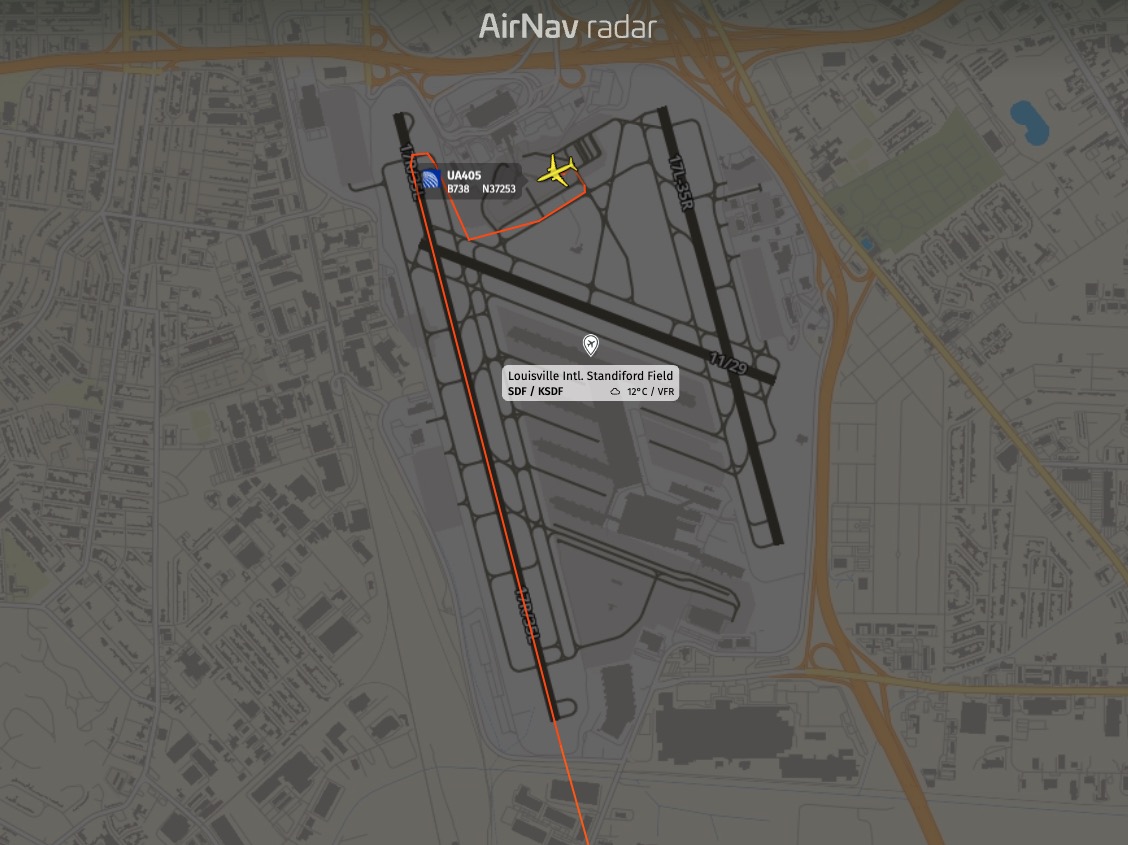
Pilot messages to track down ‘awesome’ baggage handler at Louisville Airport

November 3, 2026
NewsTrackingUSA

Two separate U.S. flights reported mid-air dog incidents on same evening

November 1, 2026
EuropeExclusiveNewsUK

easyJet flight to Liverpool delayed after more passengers boarded than available seats

October 30, 2026
CanadaNews

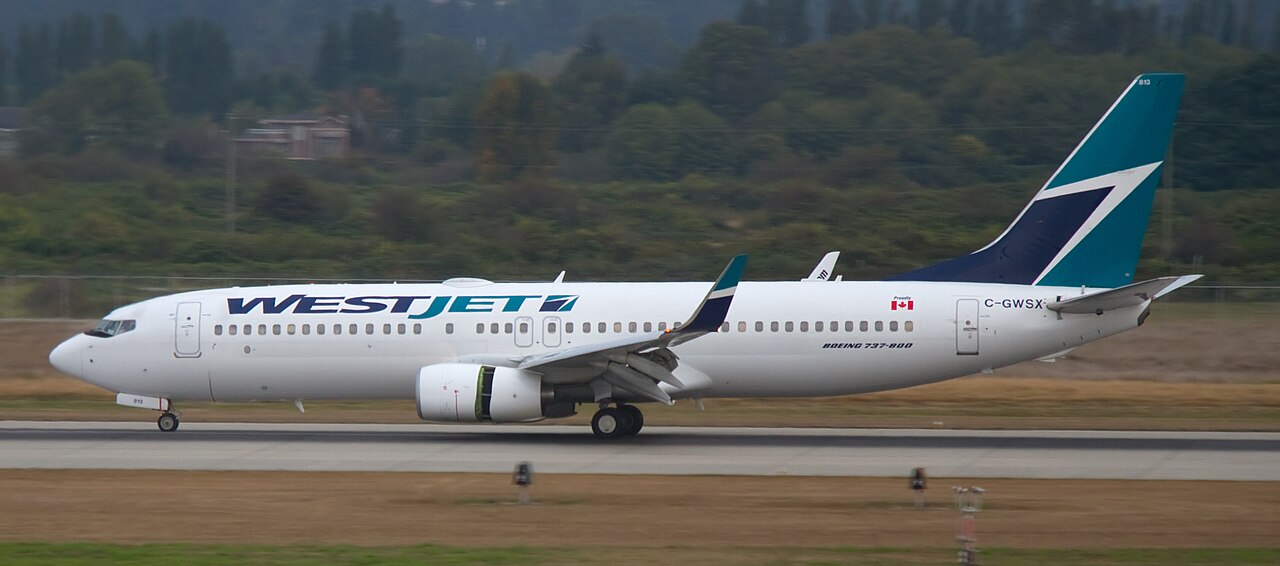
A WestJet passenger offered a flight attendant money for a premium seat then became angry when refused

October 29, 2026
AIRLIVE.net is an Aviation news network supported by a team of journalists and aviation enthusiasts.
Add AIRLIVE as Google preferred source
Since 2014, AIRLIVE.net has been publishing accurate aviation news and live updates from our sources around the world. This has led to the creation of the largest aviation community on social media.
Eyewitness to an event?
Alert AIRLIVE's newsdesk on WhatsApp
AIRLIVEAIRLIVE
Follow US
Copyright AIRLIVE 2026
  • Contact
  • Submit a story
  • Privacy policy
  • Return policy
Go to mobile version
Welcome Back!

Sign in to your account

Username or Email Address
Password

Lost your password?