


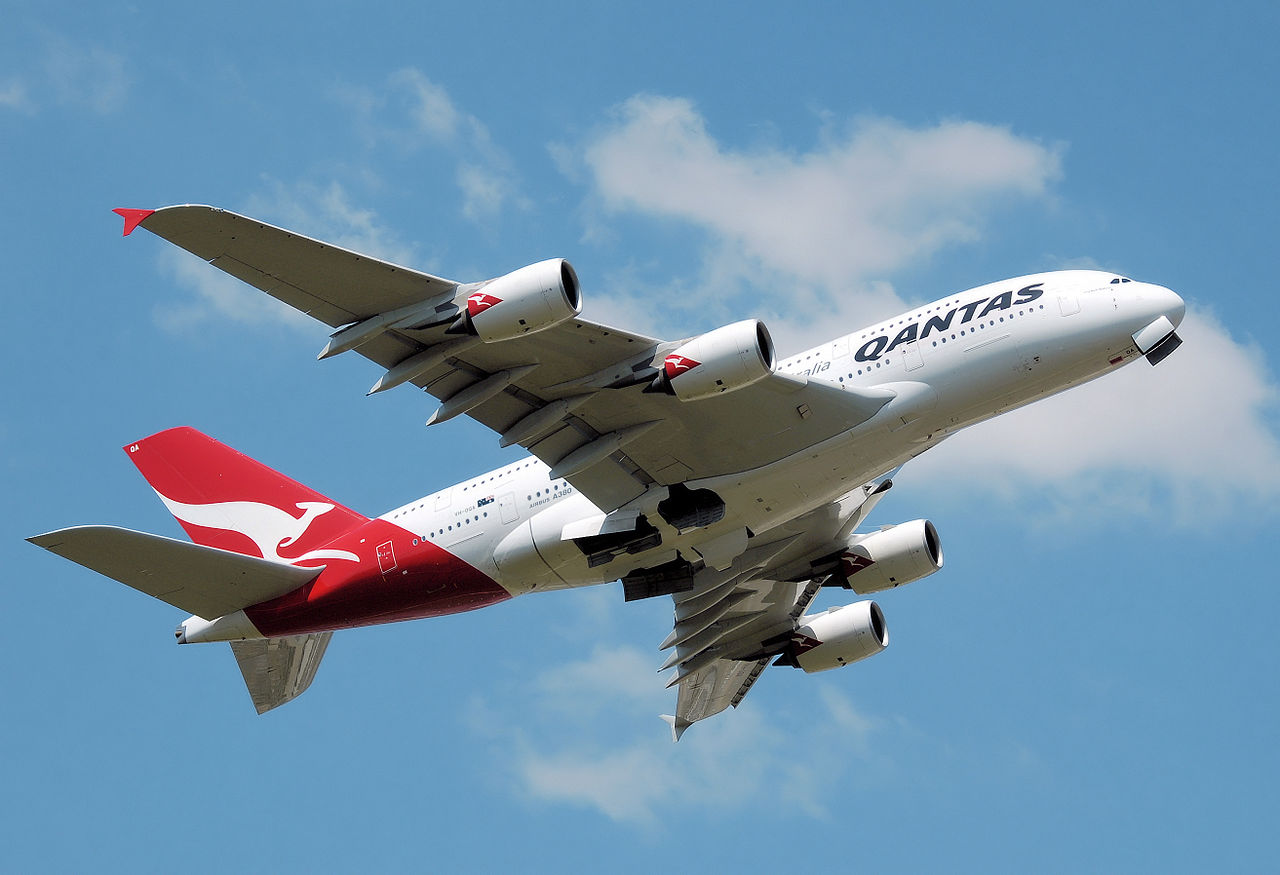
SYDNEY — Qantas will accelerate the retirement of its iconic Airbus A380 fleet, bringing a premature end to the double-decker superjumbo’s service in Australia. The carrier plans to begin phasing out its 10 remaining A380s in 2028, full retirement scheduled for approximately 2030—roughly four years earlier than originally anticipated.
The decision marks a strategic pivot away from high-capacity mega-jets in favor of smaller, more versatile, and fuel-efficient next-generation aircraft.
Qantas Chief Executive Officer Vanessa Hudson cited the rising costs and operational risks of maintaining the aging, out-of-production fleet as the primary driver behind the move.
“As the A380s continue to age, the cost of maintenance and the risk of operational disruptions increase,” Hudson noted, emphasizing the need for a fleet that delivers better reliability and environmental performance.
Rather than seeking a direct size-for-size replacement for the 485-seat superjumbos, Qantas is restructuring its long-haul network around point-to-point efficiency and premium offerings across multiple aircraft types:
- Boeing 787-9 Dreamliners: Joining the fleet starting in late 2027, these aircraft will debut an updated, refreshed Business Class cabin product.
- Airbus A321XLRs: Beginning in 2028, Qantas will deploy 16 of these extra-long-range narrowbodies in a premium-heavy configuration to unlock new long-haul routes.
- Airbus A350-1000ULR: Dedicated to the flagship “Project Sunrise” ultra-long-range non-stop flights connecting Australia’s east coast directly to London and New York.
To support the transition, Qantas is evaluating the conversion of roughly 20 existing options with Airbus and Boeing into firm orders for additional A350 and 787 aircraft.
The phase-out reflects a broader industry trend where airlines prioritize twin-engine efficiency and route flexibility over the massive capacity of four-engine giants. By 2030, the familiar silhouette of the Qantas superjumbo will permanently yield to a streamlined, modern fleet.