
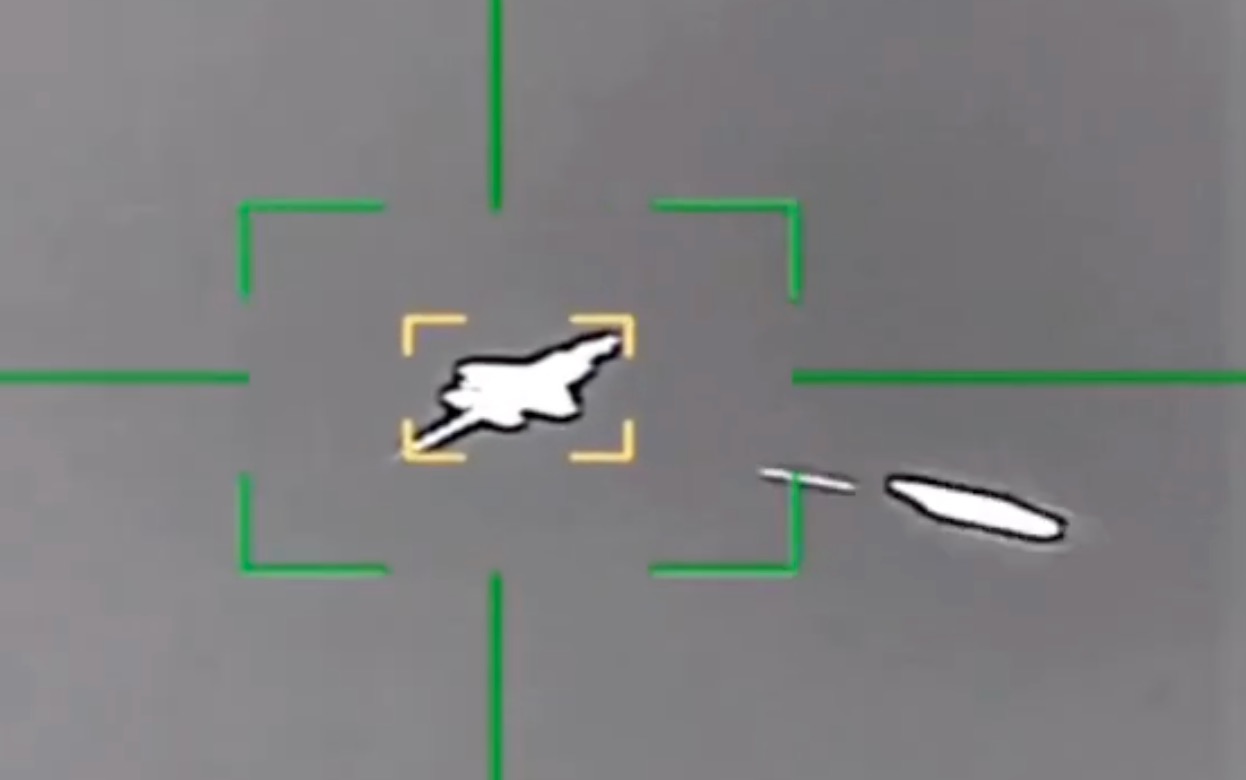
A U.S. Air Force F-35 Lightning II executed an emergency landing at a regional airbase in the Middle East early Thursday morning following a combat mission over Iranian airspace.
DUBAI – According to U.S. Central Command (CENTCOM), the stealth fighter encountered an “inflight emergency” while returning from its mission. While the Pentagon has not yet confirmed the specific cause of the mechanical failure, officials are looking into “suspected enemy fire” as a primary factor.
Capt. Tim Hawkins, spokesperson for CENTCOM, confirmed the safe recovery of the pilot and the airframe:
“We are aware of reports that a U.S. F-35 aircraft conducted an emergency landing at a regional U.S. airbase after flying a combat mission over Iran. The aircraft landed safely, and the pilot is in stable condition. This incident is under investigation.”
Conflicting Claims
The Islamic Revolutionary Guard Corps (IRGC) was quick to claim responsibility for the engagement. In a statement released via state media, the IRGC asserted that their defense networks successfully tracked and engaged the high-tech U.S. asset.
- Time of Engagement: 2:50 a.m. local time.
- Location: Central Iran.
- Weaponry Used: An “advanced air defense system” belonging to the IRGC Aerospace Force.
- Outcome: The IRGC claims the fighter sustained “severe damage” before exiting their airspace.
Operational Context
The F-35, a fifth-generation stealth fighter, is designed specifically to evade the type of advanced surface-to-air missile (SAM) systems Iran claims to have used. If the IRGC’s claim of a successful strike is verified, it would mark a significant escalation and a rare instance of a stealth platform being successfully targeted in a combat environment.
What’s Next
The U.S. Department of Defense is expected to conduct a forensic analysis of the aircraft to determine if the damage was caused by a missile strike, anti-aircraft fire, or a sophisticated electronic warfare engagement. Meanwhile, regional tensions remain at a fever pitch as analysts wait to see if this incident triggers a shift in U.S. flight operations over the Persian Gulf.