

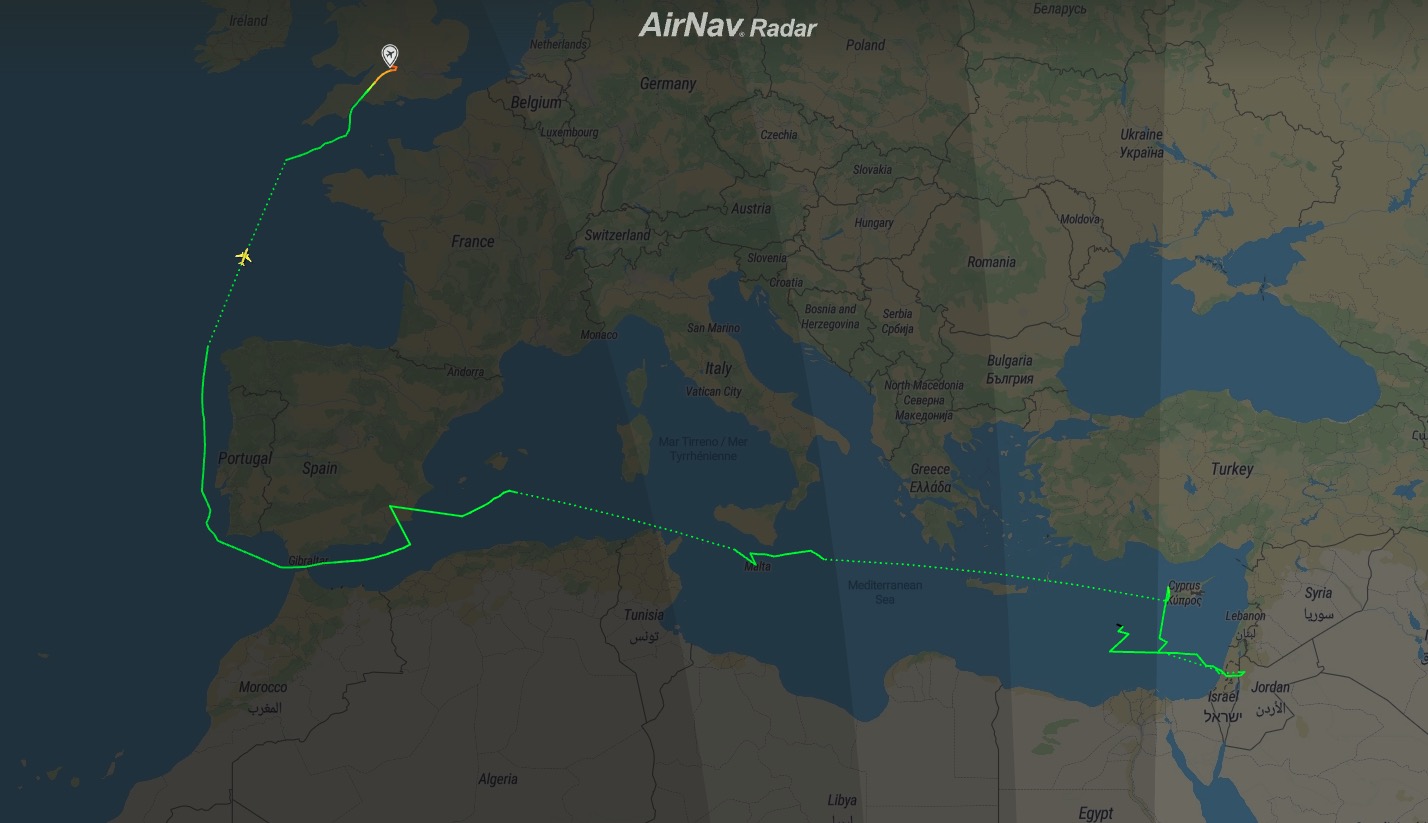
RAF FAIRFORD, UK – A United States Air Force B-1B Lancer returned to its forward operating base in Gloucestershire early Wednesday morning, completing a high-stakes mission that highlighted growing diplomatic fractures within NATO regarding Middle East policy.
The aircraft, tail number 86-0120, touched down at RAF Fairford at 05:05 AM UTC on March 18, 2026. While the mission was a tactical success, the flight path taken to return to the UK tells a story of significant geopolitical tension.
A Long Way Home: The Flight Path
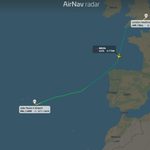
Following active strikes on targets in Iran, the “Bone” (as the B-1 is colloquially known) departed the Middle Eastern theater under the cover of darkness. Despite the urgency of the return, the bomber was forced to take a circuitous route to avoid the sovereign airspace of several key European allies.
- The Mediterranean Leg: After departing the strike zone, the aircraft flew over the Mediterranean Sea, maintaining a corridor from the coast of Israel toward the Strait of Gibraltar.
- The Atlantic Hook: Upon reaching the gates of the Mediterranean, the bomber performed a sharp right turn, tracking north over the Atlantic Ocean.
- Avoiding the EU: The B-1 remained well off the coasts of Portugal, Spain, and France. By staying in international airspace, the crew avoided entering the European Union’s territorial skies.
During the transit, the aircraft maintained a cruising altitude between 17,000 and 25,000 feet, a relatively low ceiling for the supersonic-capable bomber, likely to manage fuel consumption and visibility during the long detour.
Diplomatic Deadlock: The “Offensive” Ban
The unusual flight path is a direct result of hardening stances in Madrid and Paris. While the UK and the US remain closely aligned on the necessity of the strikes, France and Spain have officially denied overflight permissions for missions categorized as “offensive.”
“France has closed its airspace to any aircraft engaged in offensive missions against Iran,” a diplomatic source noted. “This restriction is specific to the mission profile; it does not apply to cargo, humanitarian efforts, or non-combat transport, but specifically to the execution of strikes.”
This policy forced the USAF to bypass the Iberian Peninsula and the French mainland entirely, adding hours to the flight time and increasing the complexity of aerial refueling operations.
Strategic Implications
The arrival at RAF Fairford marks the end of a long-duration sortie, but it underscores the logistical hurdles the US military faces when European allies disagree with Washington’s kinetic actions.