


NASA has ordered an early return for the four members of SpaceX Crew-11 following a “serious medical condition” involving one of the astronauts.
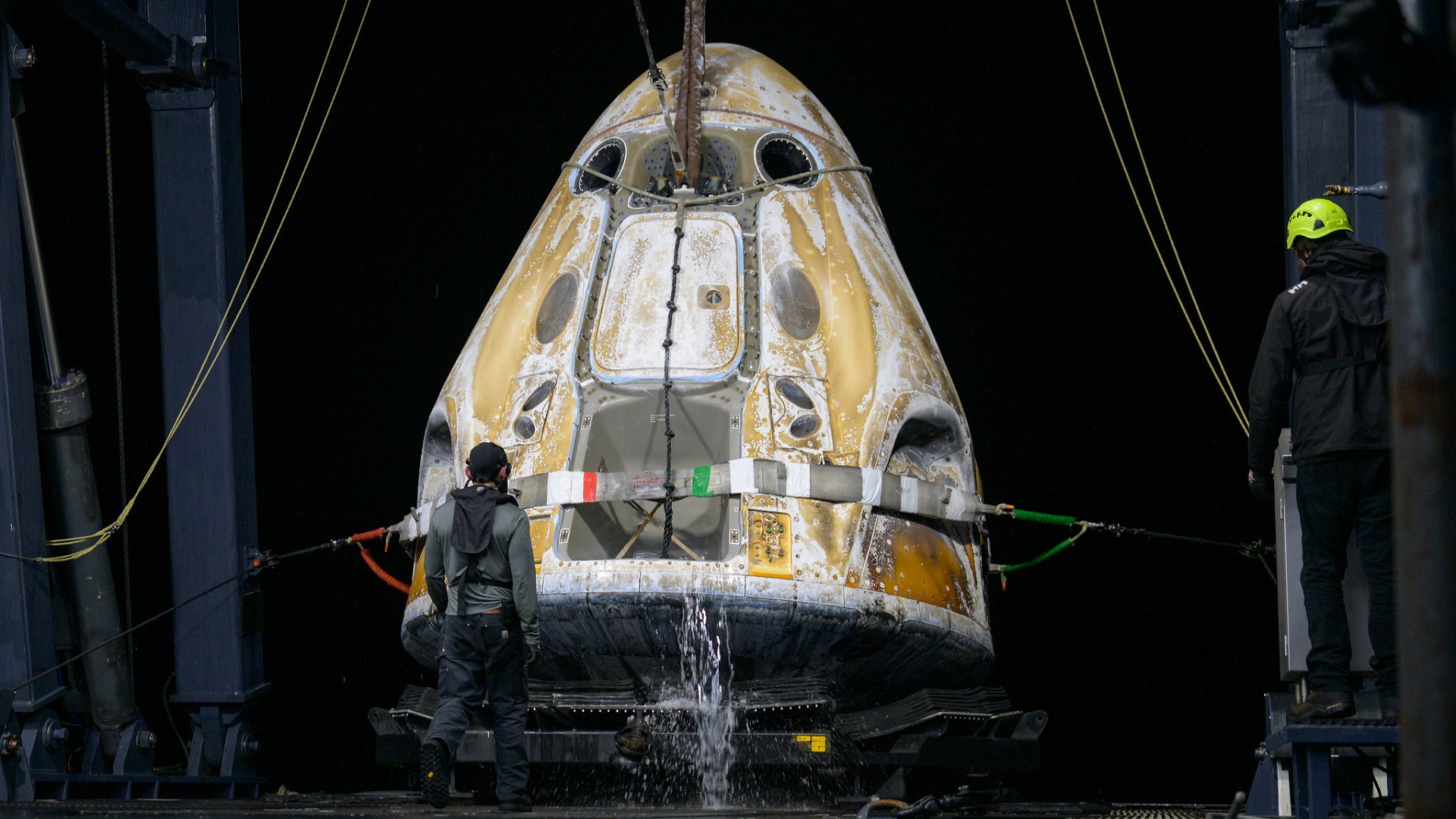
While the mission was originally slated to conclude in the spring, the crew is now scheduled to undock from the International Space Station (ISS) on January 14, 2026, with a splashdown expected off the coast of California early the following morning.
The Situation: Precaution Over Panic
The decision to end the mission early stems from a medical issue that arose on Wednesday, January 7. Although NASA Administrator Jared Isaacman and Chief Health and Medical Officer Dr. James Polk have characterized the affected astronaut as “absolutely stable,” they emphasized that the diagnostic tools available 250 miles above Earth are insufficient for the necessary workup.
“This is not an emergency de-orbit,” Isaacman clarified during a Thursday briefing. Instead, NASA is describing the move as a “controlled expedited return.” The goal is to mitigate “lingering risks” by getting the crew member to a terrestrial hospital where comprehensive testing can be performed.
Privacy and Personnel
In accordance with medical privacy protocols, NASA has not identified the specific astronaut or the nature of the ailment. However, Japanese news reports have indicated that JAXA astronaut Kimiya Yui is not the individual affected. The full Crew-11 team returning includes:
- Zena Cardman (NASA, Commander)
- Mike Fincke (NASA, Pilot)
- Kimiya Yui (JAXA, Mission Specialist)
- Oleg Platonov (Roscosmos, Cosmonaut)
The group has been aboard the station since August 2025. The medical concern was first signaled to the public when NASA abruptly canceled a planned spacewalk involving Fincke and Cardman just hours before it was set to begin.
Operational Impact
The early departure of Crew-11 will leave the ISS with a “skeleton crew” of only three: NASA’s Chris Williams and Russian cosmonauts Sergey Kud-Sverchkov and Sergei Mikayev. Williams will serve as the sole American on board until the Crew-12 mission can be launched, which NASA is now working to accelerate into early or mid-February.
Despite the rarity of a medical evacuation, Dr. Polk noted that statistical models had actually predicted such an event might occur once every few years. The fact that it took 25 years to reach this point is a testament to the rigorous screening and health management protocols of the ISS program.
Looking Ahead
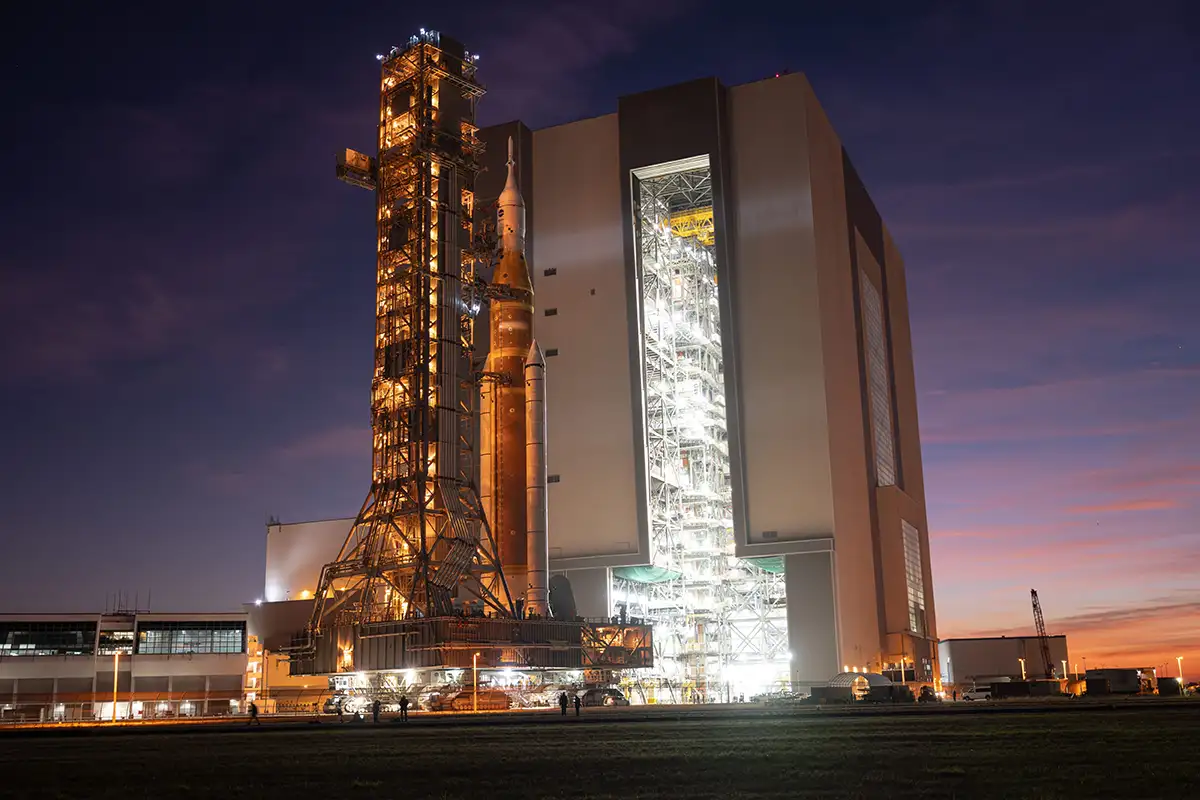
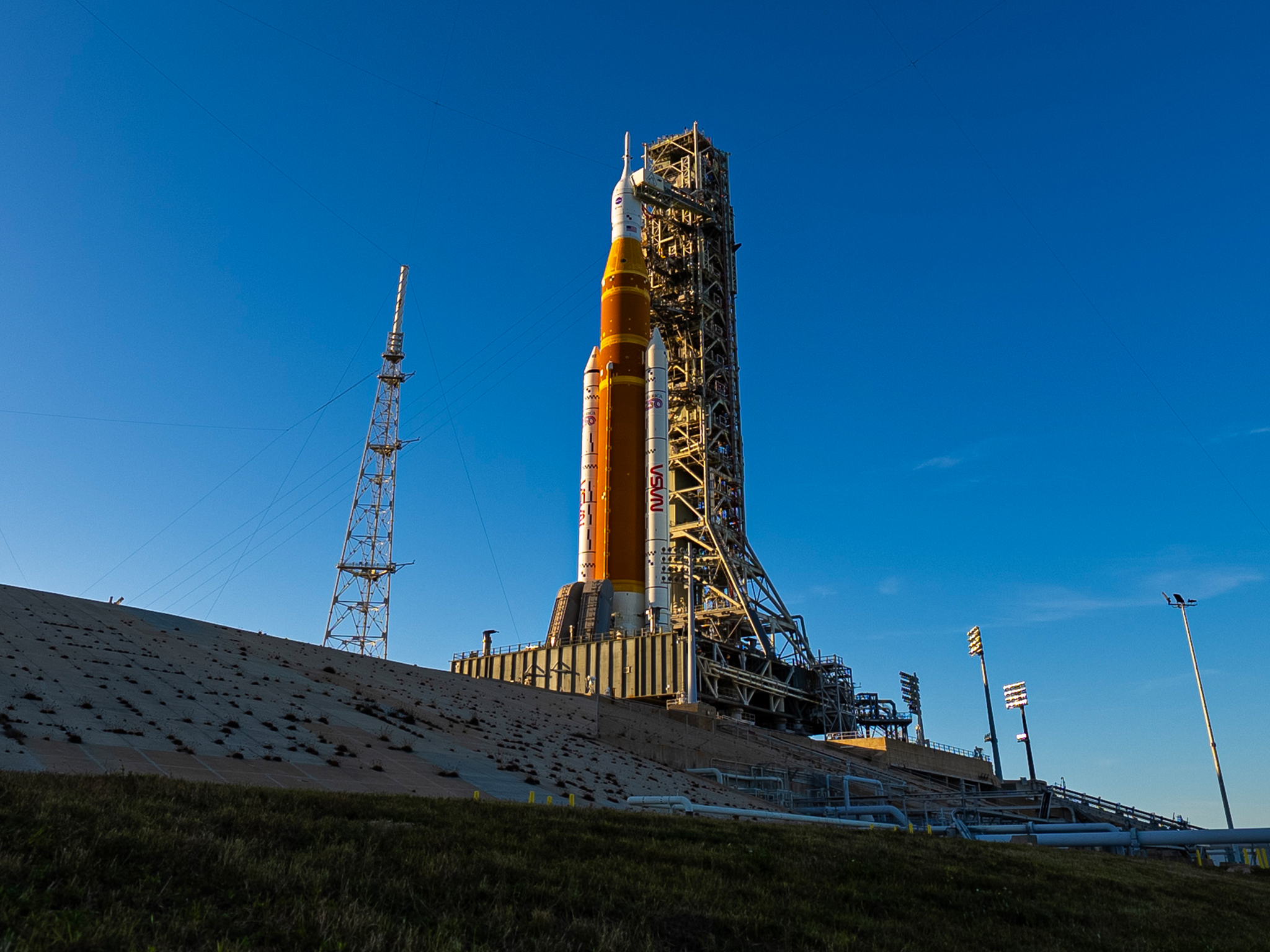
SpaceX’s Dragon Endeavour is currently being prepared for the return flight. Ground teams are closely monitoring weather and sea states in the Pacific to finalize the splashdown coordinates. NASA has assured the public that this shift in the ISS schedule will not impact other high-profile missions, including the upcoming rollout of the Artemis 2 moon rocket later this month.