


Three Russian MiG-31 fighter jets violated Estonian airspace for 12 minutes on Friday in what officials called an “unprecedentedly brazen” incursion.
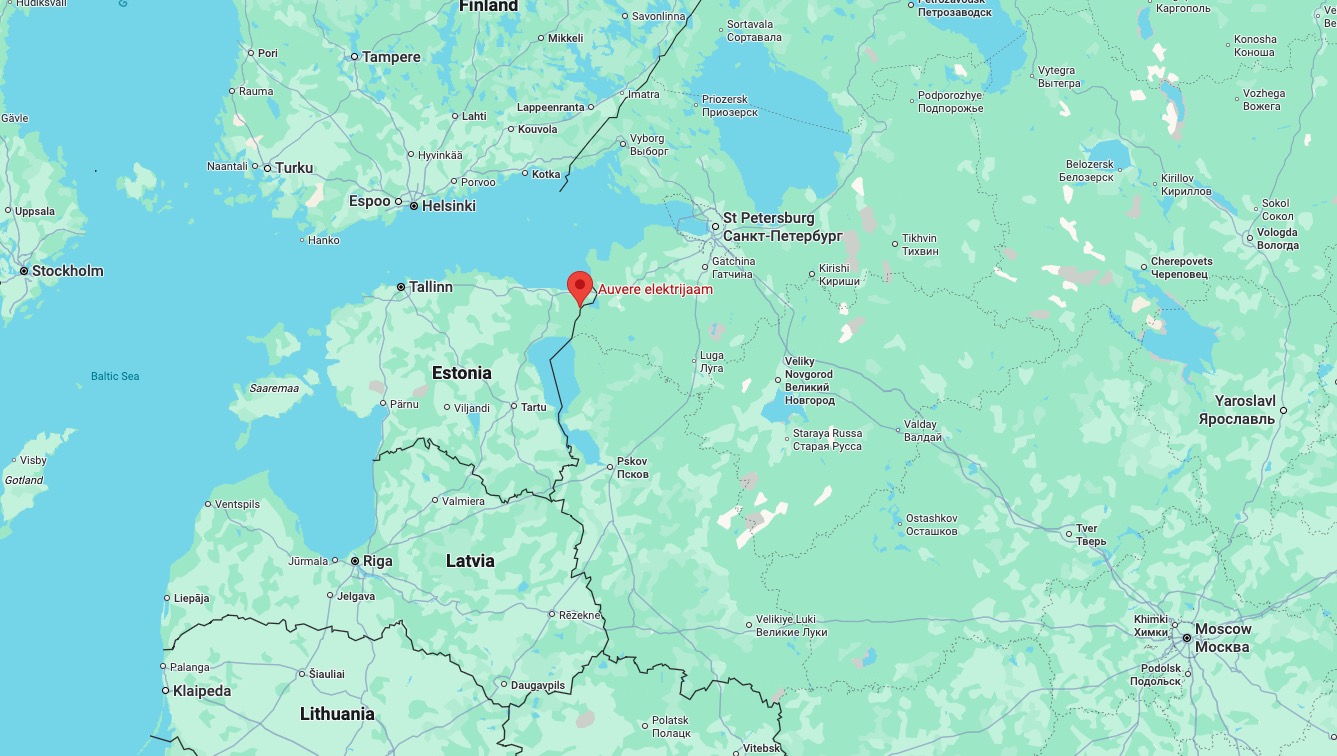
The airspace violation occurred Friday morning when three Russian MiG-31 fighter jets entered Estonian airspace near Vaindloo Island without permission and remained there for nearly 12 minutes. The aircraft had no flight plans and their transponders were switched off, making the incursion particularly provocative.
Russian Fighter Jets Maneuvers
The MiG-31 jets flew together, about five nautical miles inside the airspace toward the capital of Tallinn, according to NATO sources. The jets flew back and forth for over 12 minutes before Italian F-35s “pushed them out,” demonstrating what appeared to be a deliberate test of NATO’s response capabilities.
Adding to the severity of the incident, the jets were carrying high speed, air-launched ballistic missiles called Kinzhals, hypersonic weapons that represent some of Russia’s most advanced military technology. This weaponry made the airspace violation particularly concerning for NATO officials.
Estonian Government Response
Estonian Foreign Minister Margus Tsahkna condemned the incident in unusually strong terms, calling it part of a pattern of Russian aggression. “Russia has already violated Estonia’s airspace four times this year, which in itself is unacceptable. But today’s incursion, involving three fighter aircraft entering our airspace, is unprecedentedly brazen,” Tsahkna said.
The foreign minister emphasized that “Russia’s increasingly extensive testing of boundaries and growing aggressiveness must be met with a swift increase in political and economic pressure.”
NATO’s Quick Response
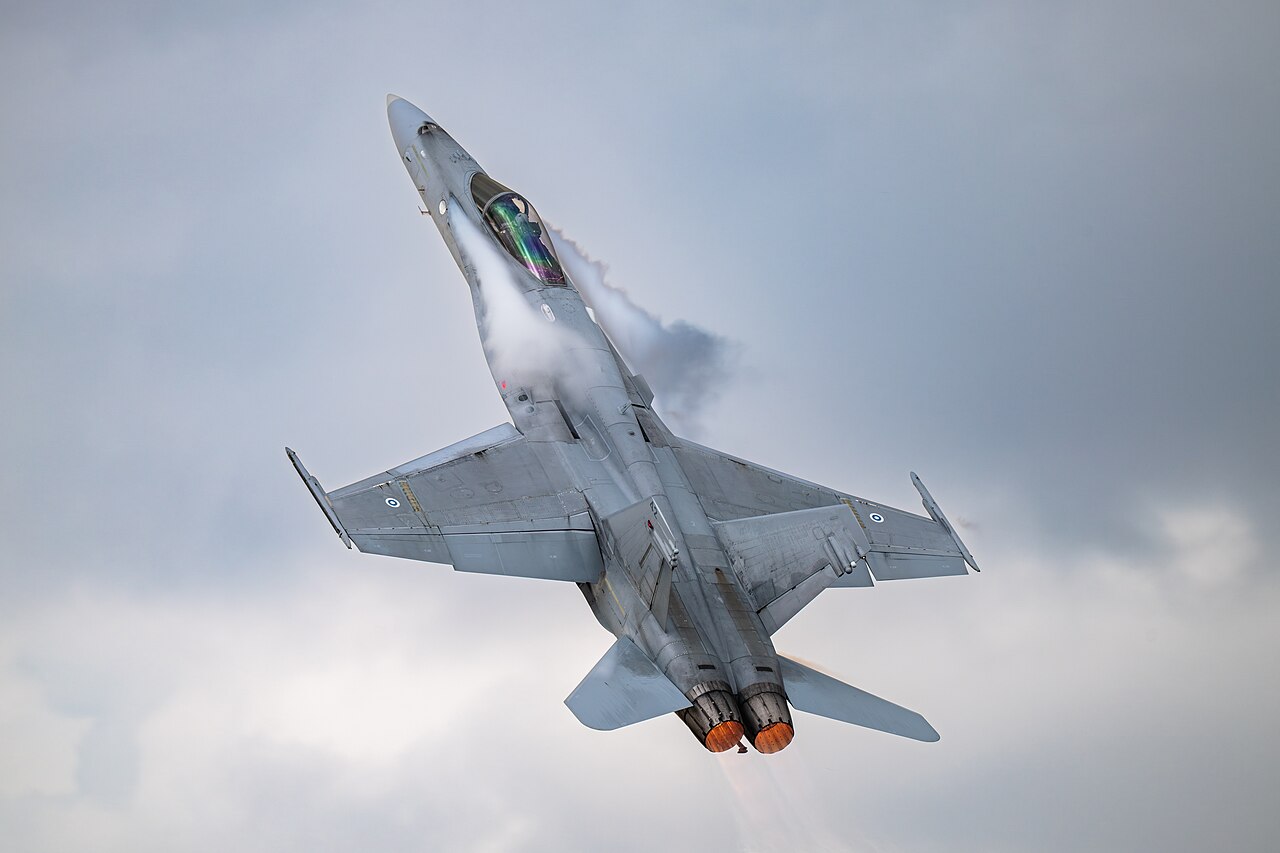
The violation triggered NATO’s air policing mechanisms, with NATO scrambled Italian F-35s to repel them. The Italian aircraft are part of NATO’s Baltic Air Policing mission, operating from Ämari Air Base in Estonia to protect the airspace of the three Baltic states.
This incident represents one of the most significant challenges faced by the Italian F-35 detachment since they began their Baltic deployment, demonstrating both the ongoing tensions in the region and NATO’s commitment to defending member airspace.
Pattern of Russian Provocation
The Friday incident marks the fifth confirmed airspace violation by Russian aircraft in Estonian territory this year, representing a significant escalation in frequency and boldness. Previous incidents involved single aircraft or helicopters, making the three-jet formation particularly provocative.
Military Implications
The MiG-31 Foxhound is one of Russia’s most capable interceptor aircraft, designed specifically for high-speed, high-altitude missions. The aircraft’s ability to carry Kinzhal hypersonic missiles makes it a particularly potent threat, capable of striking targets across a wide area with weapons that are extremely difficult to intercept.