


LOS ANGELES — Multiple commercial flights reported severe Global Positioning System (GPS) jamming while operating in the airspace near Los Angeles early Friday morning.
The disruptions occurred in rapid succession on Friday, September 25, affecting at least two transcontinental passenger aircraft.
Chronology of the Disruption
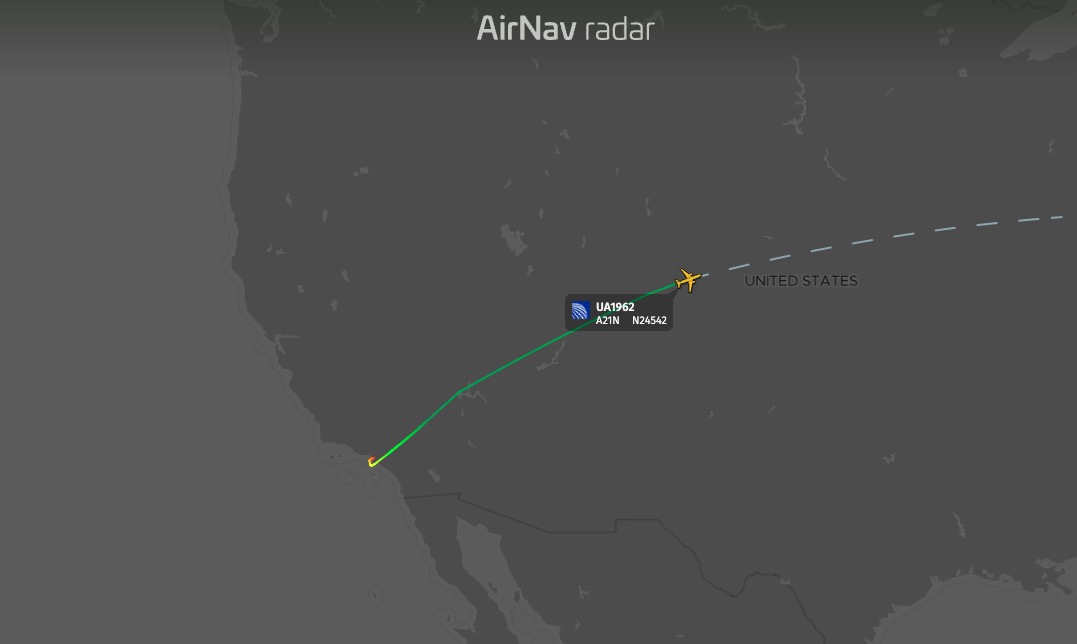
The first incident involved United Airlines Flight UA1962, an Airbus A321neo (registration N24542) departing from Los Angeles International Airport (LAX) shortly after midnight. At 07:36 UTC, flight crews alerted air traffic controllers that widespread GPS jamming had compromised the onboard satellite navigation systems shortly into their climb out of LAX.
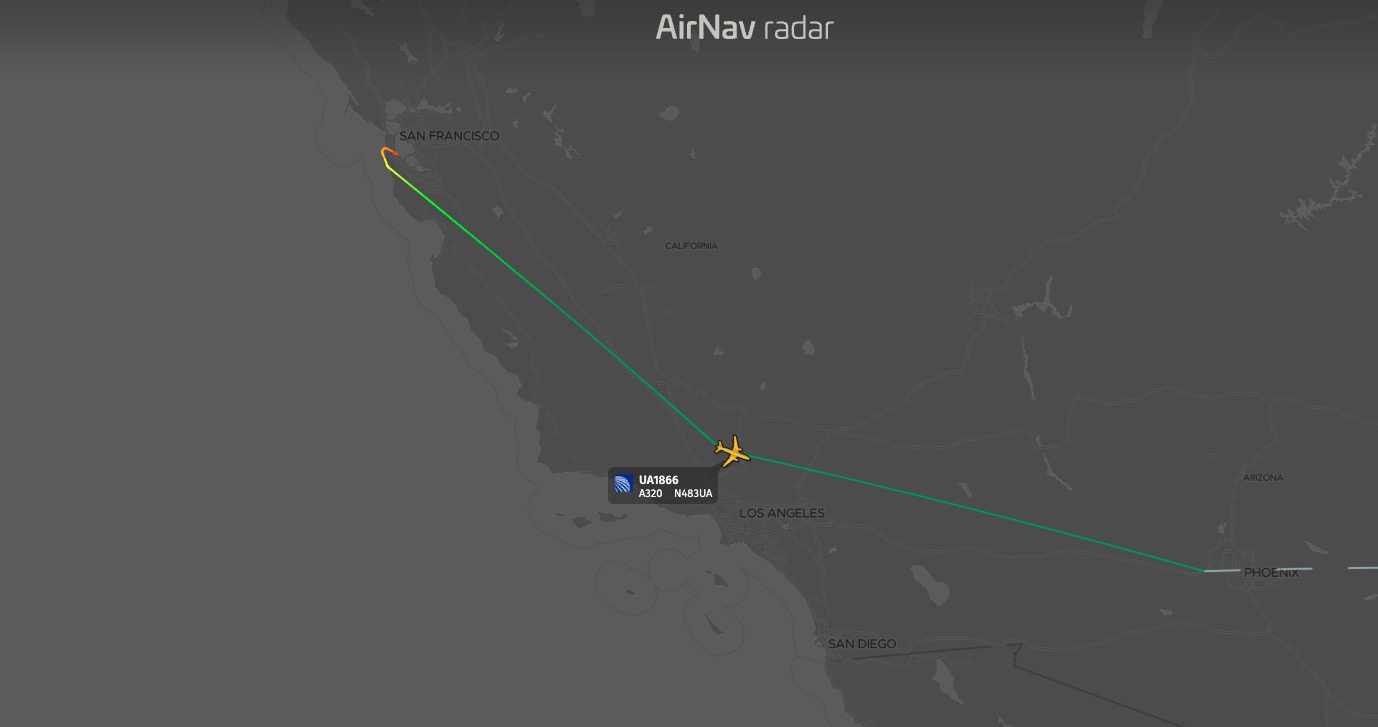
Less than an hour later, at 08:15 UTC, the crew of United Airlines Flight UA1866, a flight en route from San Francisco International Airport (SFO) to Dallas/Fort Worth International Airport (DFW) reported encountering similar GPS signal interference while cruising at 35,000 feet near the Los Angeles area.
Neither aircraft reported physical damage or loss of flight control, as commercial aircraft rely on multiple redundant navigation networks including ground-based radio beacons (VOR/DME) and inertial reference systems (IRS) to maintain safe navigation during satellite outages.
An offshore Sector Affected
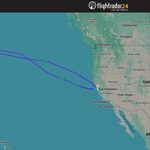
Data monitoring services indicate that the scope of the interference expands beyond overland corridors. According to live tracking from GPSThreatMap.com, an offshore sector directly off the coast of Los Angeles is currently experiencing active GPS signal disruption. Among the aircraft impacted in this offshore boundary was Alaska Airlines Flight AS222, operated by a Boeing 737 MAX 9 (registration N953AK) bound for Kailua-Kona after departing San Diego, which encountered the degradation as it traversed the Pacific route.
A Global Issue Hits U.S. West Coast Airspace
While signal interference and electronic warfare tactics are routinely observed over Eastern and Northern Europe due to regional conflict proximity, particularly near Ukraine, Belarus, Russia, and the Baltic regions. Incidents over major U.S. metropolitan hubs like Southern California remain relatively uncommon.
Modern airliners rely on weak, low-power signals transmitted by orbiting GPS satellites, leaving receivers vulnerable to interference from ground-based equipment transmitting across the same frequency bands. Investigators are reviewing whether the California disruption stemmed from localized ground-based jammers, unauthorized radio activity, or military electronic testing operations in nearby coastal training grounds.