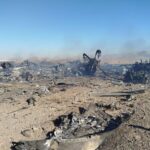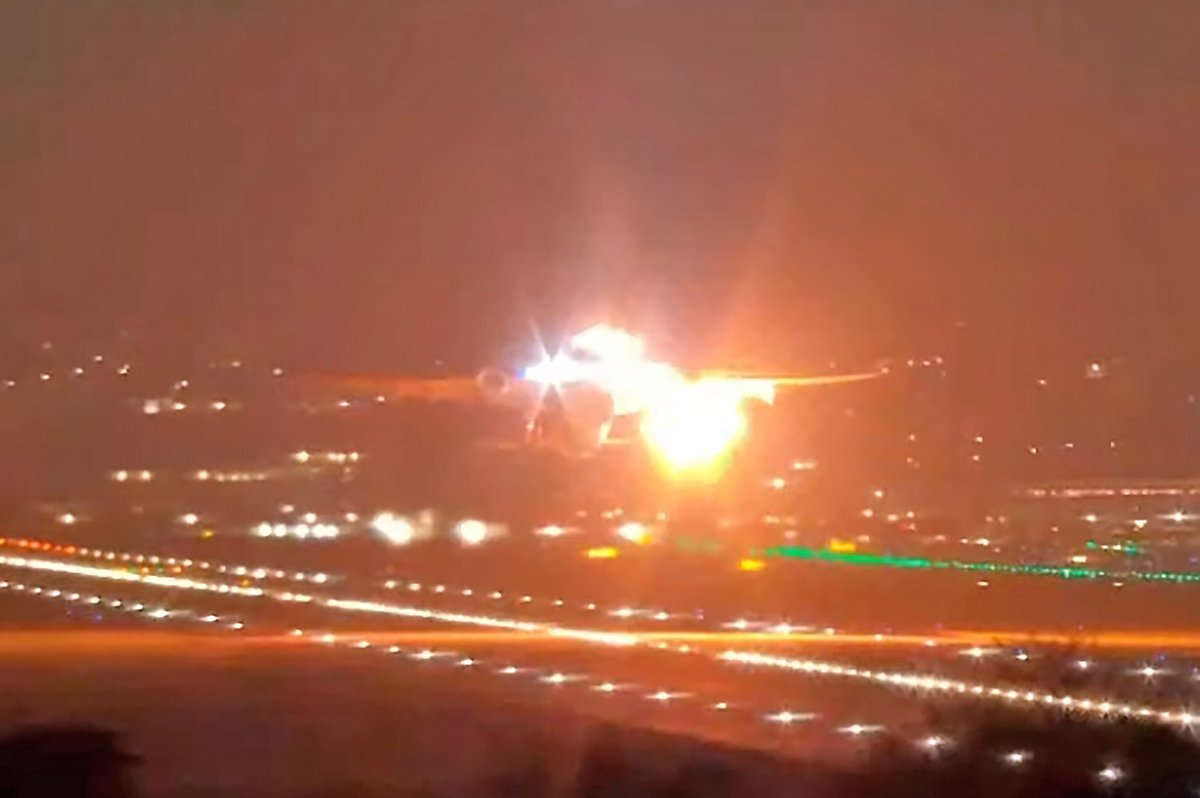




An investigation has been launched after a Ryanair flight landed below minimum fuel requirements with just 220kg remaining in its tanks.
The Air Accidents Investigation Branch (AAIB) is now reviewing the serious incident, which occurred as Storm Amy created transport chaos across the country with severe weather conditions that pushed aircraft and crews to their operational limits.
Critical Fuel State
The flight FR3418 landed with just 220kg of fuel remaining, a dangerously low quantity that represents approximately five to six minutes of flying time under normal conditions. This fuel state falls well below aviation safety minimums and represents one of the most serious fuel-related incidents in recent UK aviation history.
Aviation regulations require aircraft to carry sufficient fuel for the planned flight plus reserves for diversions, holding patterns, and unexpected contingencies. Landing with only minutes of fuel remaining indicates the aircraft had exhausted nearly all contingency reserves.
Three Aborted Approaches
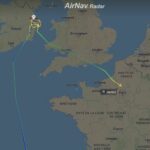
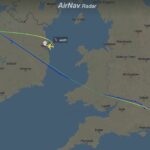
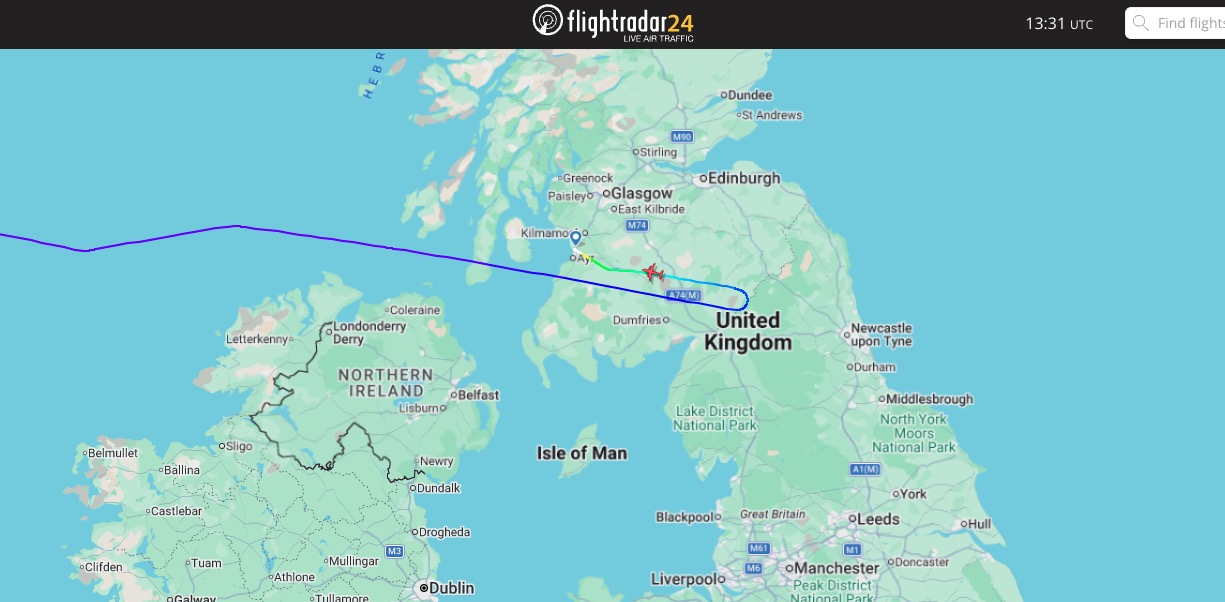
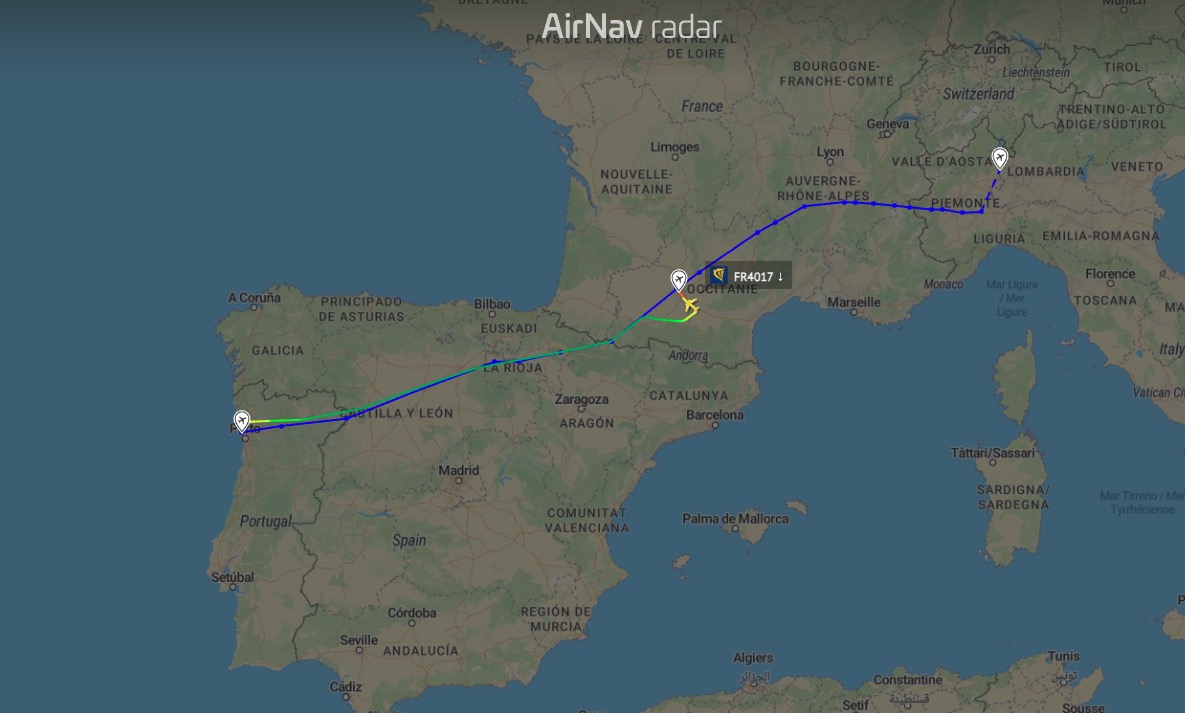
The incident occurred on October 3 when the Ryanair Boeing 737-800 (registration 9H-QBD) aborted landing approaches on three separate occasions at Glasgow Prestwick first, then Edinburgh before finally touching down successfully on the fourth attempt as AIRLIVE reported.
Each go-around—the aviation term for an aborted landing—consumes significant fuel as aircraft must apply full thrust, retract landing gear and flaps, and climb back to altitude. The three aborted approaches would have burned substantial fuel reserves, contributing to the critically low fuel state.
Minimum Fuel Declaration
Aviation protocols require pilots to declare “minimum fuel” when fuel reserves drop to levels that commit the aircraft to landing at a specific airport without further delays. An even more serious “emergency fuel” or “Mayday fuel” declaration indicates the aircraft is in immediate danger of running out of fuel.
Due to low fuel, the crew declared an emergency (squawk 7700) and requested a priority landing at Manchester Airport.
AAIB Investigation
A Ryanair spokesman confirmed: “Ryanair reported this to the relevant authorities on Friday (October 3). As this is now subject of an ongoing investigation, which we are cooperating fully with, we are unable to comment.”
The Air Accidents Investigation Branch investigation will examine multiple factors including flight planning, fuel calculations, crew decision-making, weather forecasting, and whether the aircraft should have diverted to an alternate airport before fuel reached critical levels.
Fuel Planning Questions
The investigation will scrutinize why the aircraft arrived in the Manchester area with insufficient fuel reserves to safely conduct multiple go-arounds. Key questions include:
- Was adequate contingency fuel carried for forecast weather conditions?
- Were alternate airports considered as fuel decreased?
- Did ATC delays or holding patterns contribute to fuel consumption?
- Were crew fuel management decisions appropriate?
Crew Performance Under Pressure
The crew ultimately landed the aircraft safely despite extreme fuel pressure and difficult weather conditions. However, the investigation will examine whether earlier decisions could have prevented the critically low fuel state.
Pilots face intense pressure during such situations, balancing passenger welfare, schedule pressures, fuel conservation, and above all, safety considerations.