

Turkish Airlines flight to Barcelona was intercepted by NATO fighter jets after a passenger created a bomb-threat Wi-Fi hotspot.
On January 15, 2026, Turkish Airlines flight TK1853 was forced to make an emergency landing at Barcelona-El Prat Airport (BCN) following a security alert triggered by an on-board Wi-Fi network name.
The Incident: A Digital Threat in the Air
The flight, operated by an Airbus A321 (Registration TC-JRR), was traveling from Istanbul (IST) to Barcelona with 148 passengers and seven crew members on board.
While the aircraft was cruising over the Mediterranean, approaching Spanish airspace, the flight crew discovered that a passenger had created a personal Wi-Fi hotspot with a threatening name. According to Turkish Airlines Communication Director Yahya Üstün and Catalan authorities, the network name reportedly included the phrase “I have a bomb, everyone will die.” The crew declared an emergency (squawk 7700).
Military Escort and NATO Protocol
In accordance with international aviation security standards, the discovery triggered a Quick Reaction Alert (QRA) coordinated by NATO. The high-risk nature of the threat led to the scrambling of fighter jets to intercept and monitor the commercial airliner:
- French and Spanish Fighter Jets: Initially intercepted by French Air and Space Force aircraft, the escort was handed over to Spanish Eurofighters as the plane entered Spanish sovereign airspace.
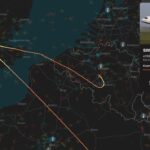
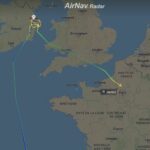
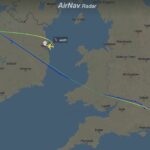
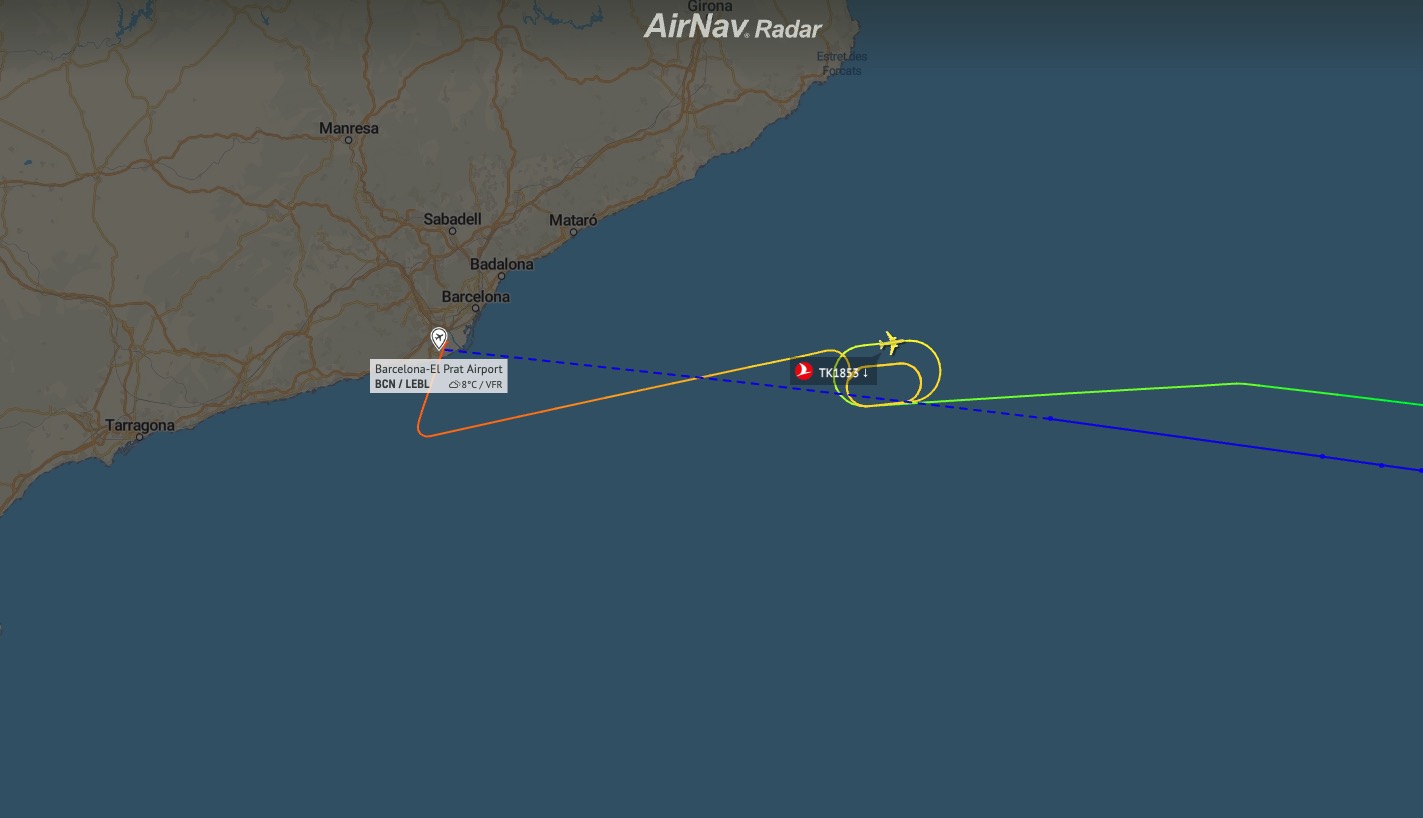
- Tactical Maneuvers: Before being cleared for landing, the aircraft was seen on flight tracking websites performing holding patterns off the Catalan coast. This was a tactical move to clear civil traffic and ensure a controlled approach under military supervision.
Emergency Landing and Ground Response
Flight TK1853 landed safely at Barcelona’s Runway 02 at approximately 11:00 AM local time. Following emergency protocols, the aircraft was not brought to a standard terminal gate. Instead, it was directed to a remote, isolated area of the airport near the Iberia hangars to minimize risk to other airport operations. A massive security presence met the plane.
Aftermath: “Negative” for Explosives
After all 148 passengers and crew were safely disembarked, specialized bomb disposal units (TEDAX) and canine teams inspected the aircraft and luggage. The Spanish Interior Ministry later confirmed that no explosive materials were found on board.
The passenger responsible for the Wi-Fi hotspot was identified and detained for questioning. While Barcelona-El Prat Airport continued to operate “with normality” throughout the day, the incident caused a 30-minute delay for the specific flight.
Turkish Airlines confirmed that the return flight to Istanbul would proceed normally after the security checks were finalized.