

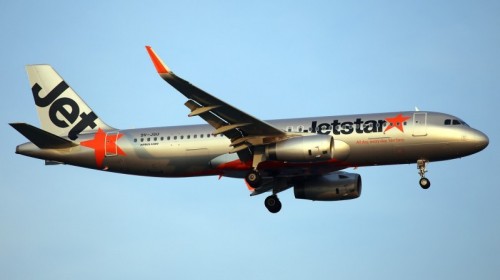
The Australian Transport Safety Bureau (ATSB) has released the final report into an incident where a Jetstar crew initiated 2 go arounds.
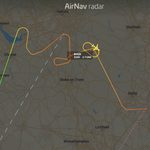
A Jetstar A320, registration VH-VQK, was being flown as a Sydney to Ballina service on 18 May 2018. The flight crew conducted a go-around because the flight path didn’t meet the operator’s stabilised approach criteria according the ATSB report. A second go-around was initiated by the flight crew after a master warning was triggered at 700 feet radio altitude to indicate the landing gear had not been selected as DOWN. The crew made a successful landing on the 3rd attempt.
During the first approach, the FO was manually flying a visual approach to Runway 24. The captain recognised the airspeed and altitude were higher than a normal approach profile. Due to circuit traffic, the captain decided to have the aircraft established on final approach before commanding a go-around. The FO commenced the go-around after the captain called out not stable at 500 feet. After TOGA thrust was set the aircraft approached 1500 feet. The FO leveled the aircraft.
The ATSB report noted, “As the FO levelled the aircraft it accelerated quickly toward the Flaps 3 limit speed (185 kt). The FO called for the approach phase to be activated, which would have reduced the autothrust’s target speed from green dot speed to 139 kt, and the captain went to action this request.
“However, due to the aircraft’s acceleration, the FO believed the autothrust system would not prevent a flap overspeed prior to the approach phase becoming active. Consequently, he retarded both thrust levers to IDLE. This action disengaged the autothrust and generated an [ECAM] caution message (AUTO FLT A/THR OFF).
“The captain heard the associated aural master caution chime, scanned the instruments and observed the aircraft’s pitch attitude being 10° nose up with Flaps 3 and idle thrust. He immediately commanded the FO to place both thrust levers back into the climb detent and re-engage the autothrust system. The FO subsequently reported that he had already commenced these actions at that time.”
Video from ATSB
The FO commenced a standard left circuit, but the captain instructed a right circuit in part due to a helicopter flying nearby. The FO offered flying duties to the captain, who then took over control and flew manually. The after take-off checklist was completed. The captain noticed the flaps were set to Flaps 3 and instructed they stay at that setting to prioritise safe flying in the circuit area. While turning onto the downwind the captain saw the flaps were still set at Flaps 3 and commanded Flaps FULL.
The landing checklist was completed at about 950 feet AGL. The master warning indicating the gear wasn’t down activated at about 700 feet RA. About 4 seconds after the master warning sounded the gear was selected to DOWN. About 2 seconds after gear down the thrust levers were set to TOGA. The lowest height the aircraft reached was about 670 feet AGL.
On the third approach a pilot on a Cessna 172 made calls on the CTAF saying they were intending to enter the left circuit for landing. The Jetstar captain provided instructions to the Cessna pilot. On the downwind of the 3rd approach the A320’s TCAS generated a TA for the Cessna traffic. The Jetstar captain maintained visual contact at all times and estimated a distance of 2NM between the aircraft. No action was required by the crews for the TCAS RA.
Dr Stuart Godley, ATSB Director Transport Safety, said, “This occurrence highlights the importance of adherence to standard operating procedures and correctly monitoring the aircraft’s approach and parameters to provide assurance a visual approach can be safely completed. Following standard procedures mitigates the risk of the selection of inappropriate auto-flight modes, unexpected developments, or confusion about roles or procedures that can contribute to decisions and actions that increase the safety risk to the aircraft and its passengers. The ATSB report notes that an incorrect aircraft configuration for landing is rarely the result of a single action or identifiable event. In this case a number of factors, such as distraction and limited use of aircraft automation, combined to result in the landing gear not being selected to down. While highly undesirable, it should be noted that the aircraft’s warning system effectively alerted the flight crew to the problem and the crew responded promptly to the warning and initiated a second go-around.”
The full ATSB report can be found here