


NEWARK, N.J. — A transatlantic flight bound for Switzerland turned into a frustrating six-hour loop back to New Jersey after a hydraulic glitch struck a 26-year-old Boeing 767, marking yet another maintenance headache for United Airlines’ aging widebody fleet.
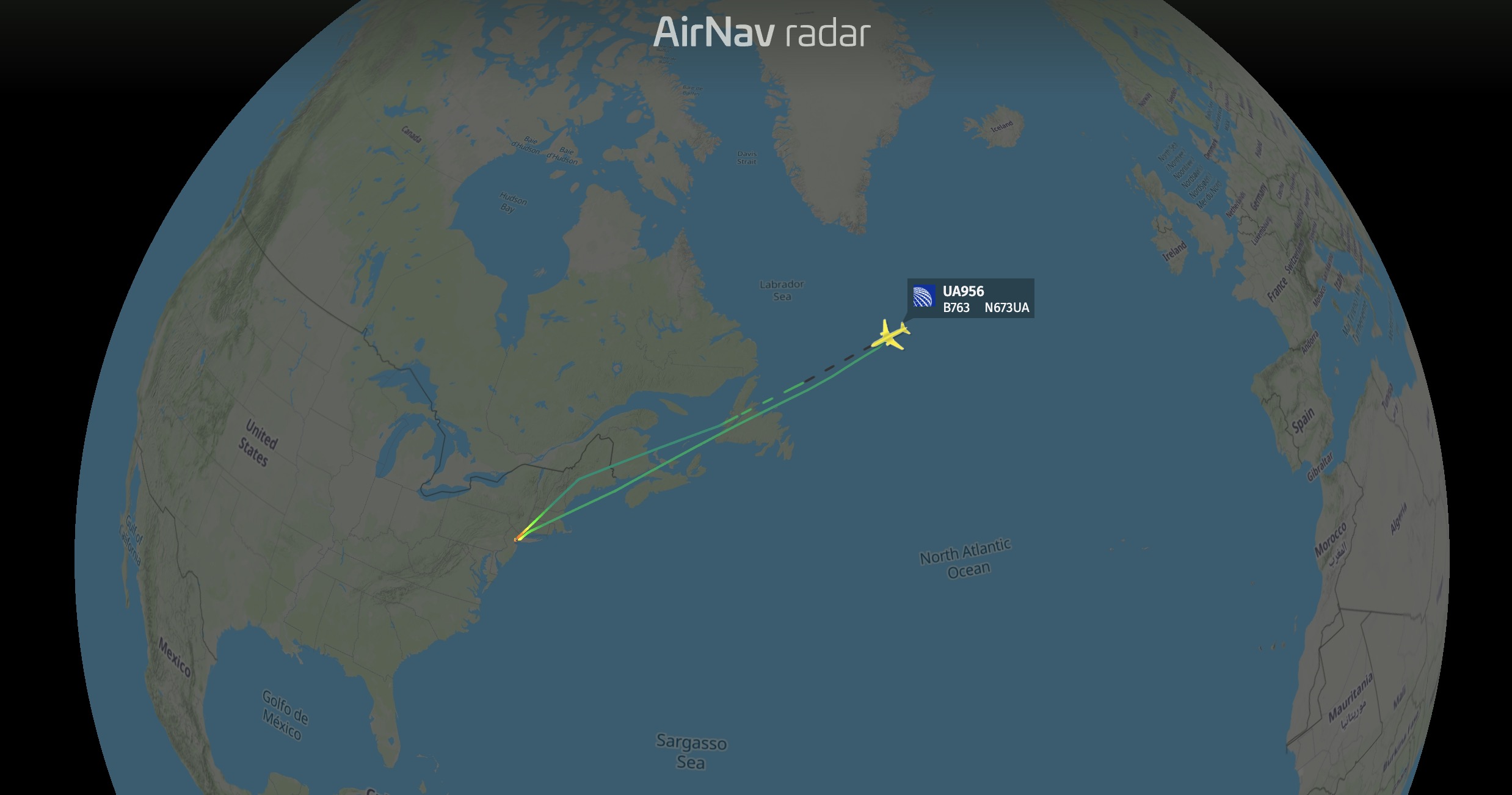
United Flight UA956, scheduled from Newark Liberty International Airport (EWR) to Geneva Airport (GVA) on July 20, suffered ground delays and an in-flight system failure that left over 200 passengers back where they started.
Weight Confusion on the Tarmac
The disruption began before the aircraft even left Terminal C. Passengers spent an hour parked at the gate awaiting departure clearance.
Approximately 45 minutes into the wait, the flight’s captain announced a return to the gate, citing conflicting load-sheet figures that suggested cargo and luggage were improperly balanced, a critical safety hazard for takeoff performance and stability.
However, just 10 minutes into the taxi back, dispatch issued updated load metrics confirming the aircraft’s weight distribution was within safe operational limits. The plane bypassed the gate and headed straight for the runway.
At 6:30 PM EDT, the Boeing 767-300ER (registration N673UA) lifted off from Runway 22R, climbing through Nova Scotian airspace toward its planned oceanic routing across the North Atlantic.
Hydraulic Failure over Atlantic
Roughly three hours into the journey, while cruising at 35,000 feet south of the coast of Greenland, the flight crew detected a failure in the aircraft’s backup hydraulic system.
While primary flight controls remained functional, operating an Extended-range Twin-engine Operational Performance Standards (ETOPS) route over cold ocean waters with degraded redundancy presents heightened risk. In an abundance of caution, the pilots elected to abort the crossing and initiate a U-turn back to the U.S. mainland.
Six hours after its initial departure, Flight UA956 touched down safely back at Newark Liberty International Airport.
Estimated Fuel Burn and Wasted Cost
A six-hour round trip in a widebody twin-jet represents a substantial operational loss in unrecoverable fuel alone.
- Aircraft Burn Rate: A Boeing 767-300ER consumes approximately 1,500 to 1,600 US gallons (approx. 10,500 to 11,500 lbs) of Jet A fuel per hour during climb and high-altitude cruise.
- Total Fuel Consumed: For a 6-hour airborne cycle plus taxi operations, the aircraft burned roughly 9,000 to 10,000 US gallons (~34,000 to 38,000 liters) of jet fuel without reaching its destination.
- Direct Fuel Cost: At average jet fuel prices of roughly $2.50 to $2.70 per gallon, the wasted fuel cost alone is estimated between $23,000 and $27,000.
Note: This estimate excludes secondary operational costs such as crew overtime, landing fees, gate handling, passenger re-accommodation, and unscheduled maintenance.
Aging Fleet Under Scrutiny
Following an overnight inspection and mechanical sign-off at Newark, the 26-year-old aircraft was returned to service and operated a flight to Berlin the following day.
The incident highlights ongoing concerns surrounding United Airlines’ aging Boeing 767 fleet. While modern maintenance regimes keep senior airframes airworthy, aviation tracking platforms Airlive.net have noted an uptick in diversion and turnback events linked to legacy widebody aircraft across major U.S. carriers as they await replacement by newer-generation airliners.