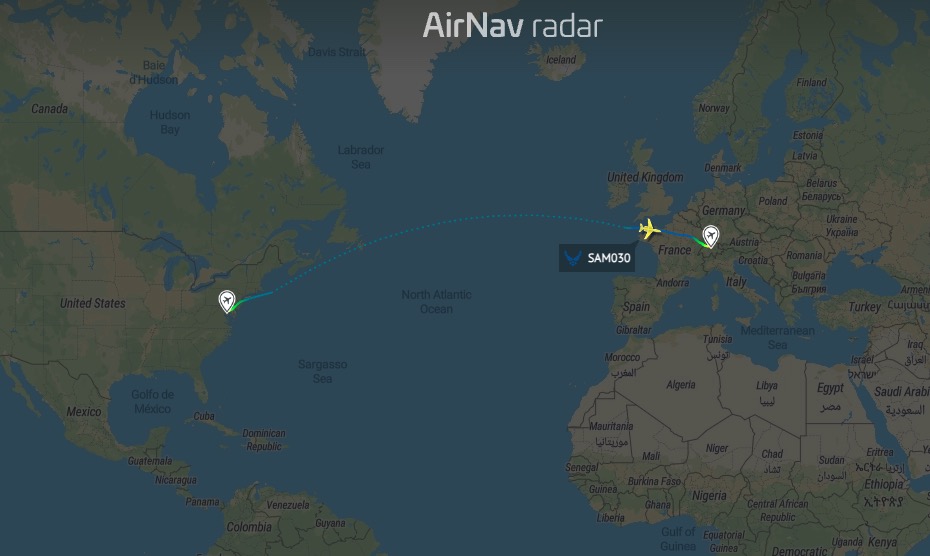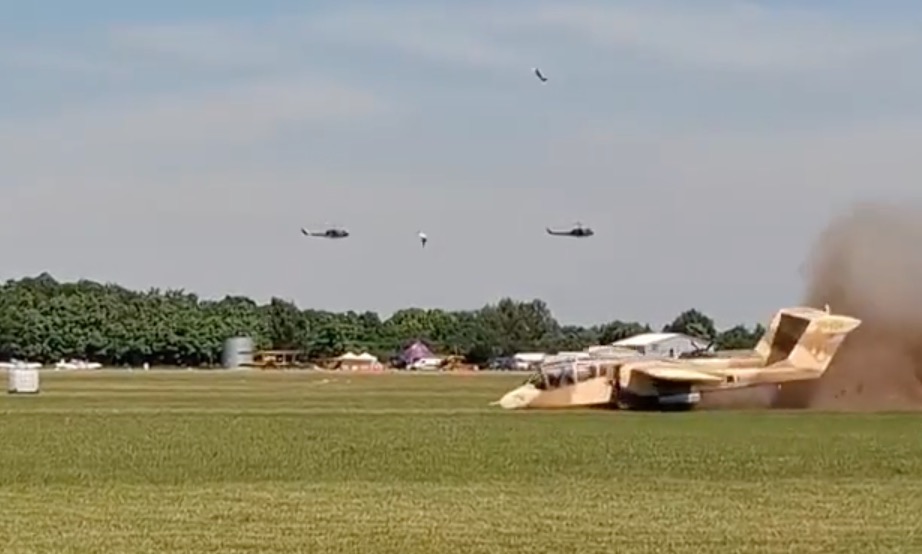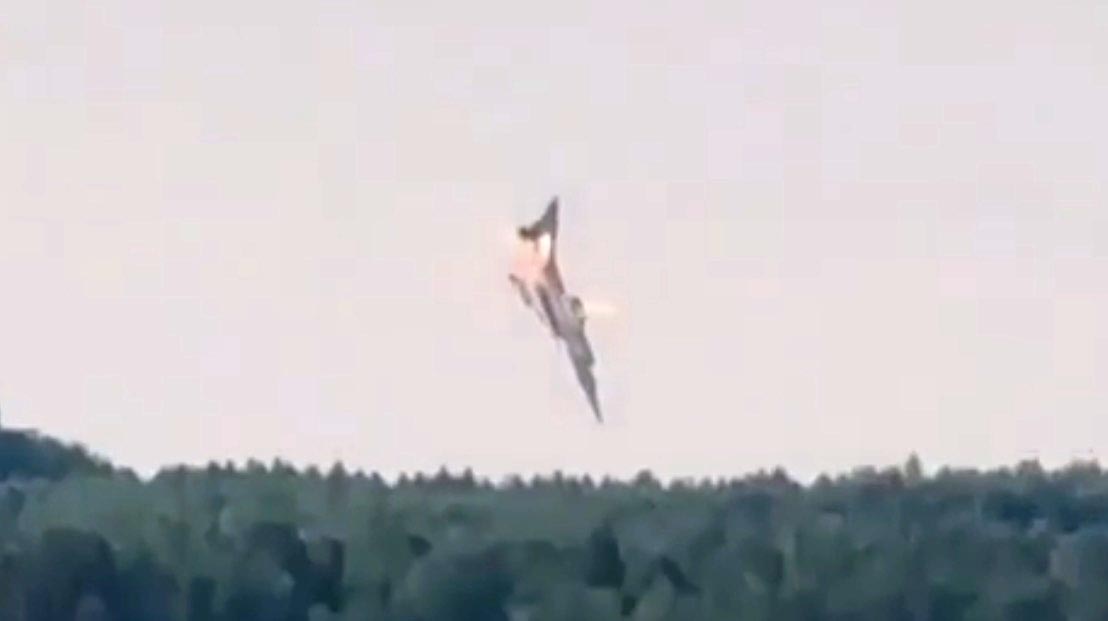

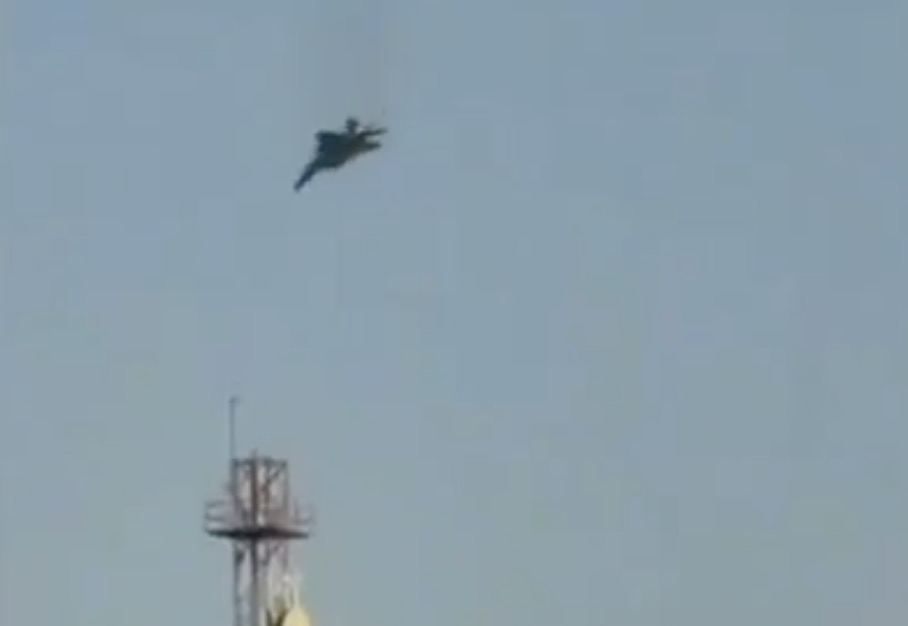
KUWAIT CITY — A Kuwaiti journalist remains in state custody this week following his arrest on March 2, after he captured and shared footage of U.S. Air Force F-15 fighter jet crashing after being shut down by mistake by a Kuwaiti fighter jet.
The journalist, whose identity has been shielded by local press freedom advocates for safety reasons, saw his social media presence (including prominent accounts on X (formerly Twitter) and Instagram) vanish within hours of his detention. The move has sparked an international outcry regarding the shrinking space for independent reporting in the Gulf state.
A Wave of Arrests
The journalist is not an isolated case. Human rights monitors report a “broader wave” of detentions involving hundreds of citizens and residents. The common thread? Filming and distributing footage of military or sensitive state incidents.
According to local legal experts, the government has intensified its enforcement of cybercrime and national security laws. Critics and opposition figures argue that the scope of these arrests has moved beyond protecting military secrets and has veered into a systemic crackdown on dissent.
The Official Stance vs. Public Outcry
The Kuwaiti Ministry of Interior has historically maintained that filming military installations or equipment during accidents poses a national security risk, potentially exposing tactical vulnerabilities or sensitive technology to foreign adversaries. However, the scale of the recent detentions suggests a more aggressive posture.
Implications for Press Freedom
Kuwait has long been regarded as having one of the more robust media landscapes in the region. However, this recent string of arrests has sent a chilling effect through the local press corps.
“If a journalist can be jailed for weeks simply for being at the scene of a crash with a camera, then the ‘red lines’ have moved from the palace to the streets,” noted a contributor for a local independent news outlet.
As of Wednesday, the journalist remains in detention. International media watchdogs have called for his immediate release and the restoration of his digital platforms, citing his right to document events of public interest.