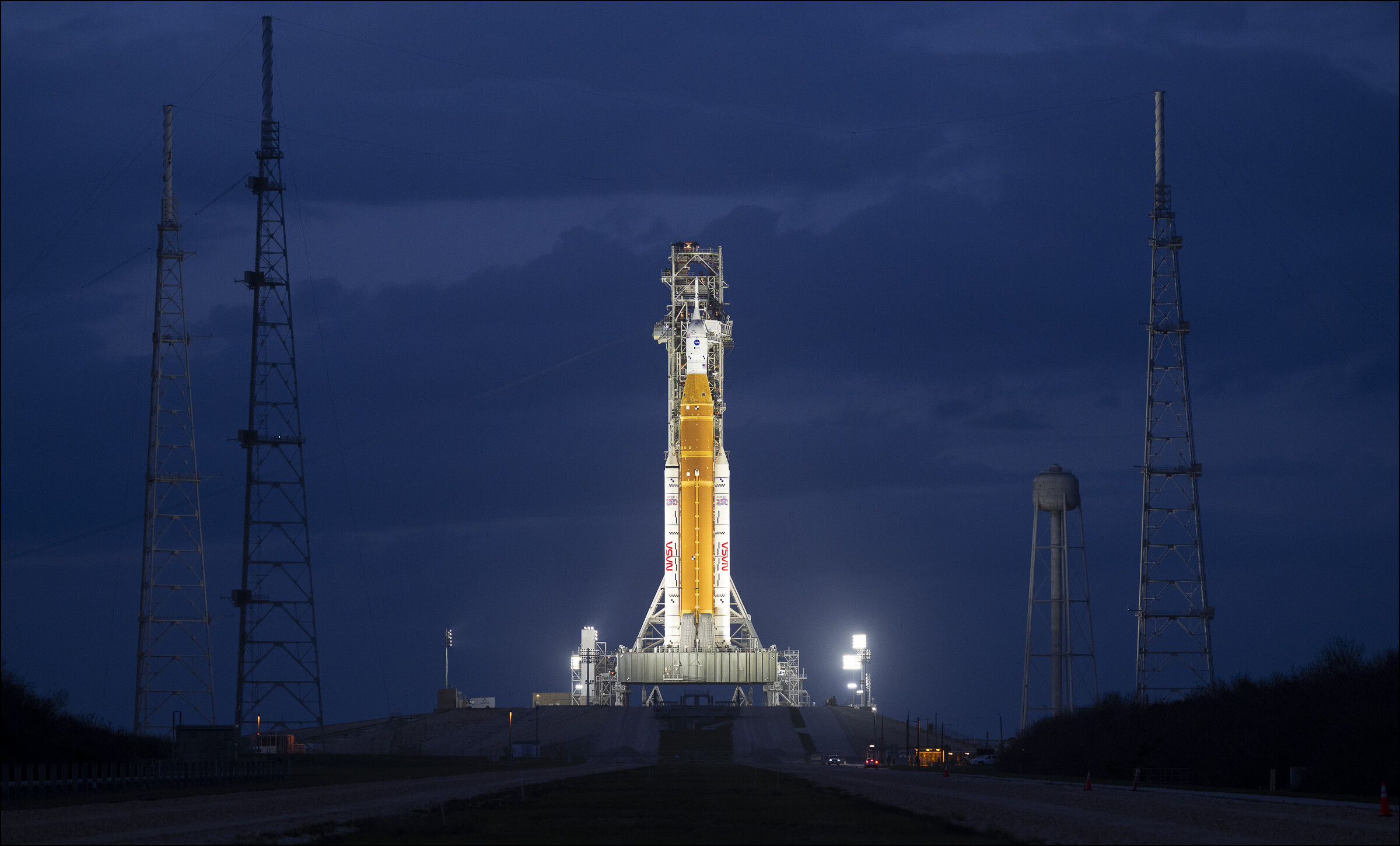


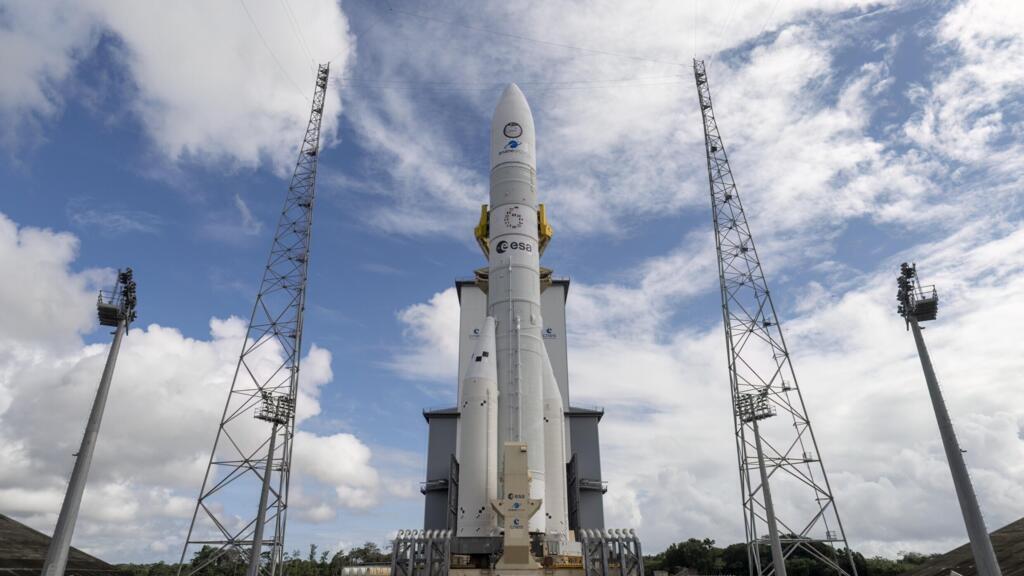
KOUROU, French Guiana – Europe is reclaiming its heavyweight status in the global space race today. On February 12, 2026, the European Space Agency (ESA) is scheduled to launch the Ariane 64—the most powerful configuration of the Ariane 6 family—from the Guiana Space Centre.
The launch window for flight VA267 is set between 16:45 and 17:13 GMT. This mission isn’t just another routine flight; it marks the first time the rocket will fly with a full complement of four boosters, specifically tasked with deploying 32 satellites for Amazon’s “Project Kuiper” (Leo) broadband constellation.
More Than Just an Upgrade: What’s New?
While Ariane 6 follows the legendary Ariane 5, it is a completely reimagined vehicle designed for a more crowded and competitive commercial market.
1. Modular “Plug-and-Play” Design
Unlike its predecessor, Ariane 6 is built for flexibility. It comes in two distinct variants:
- Ariane 62: Features two boosters, designed for lighter institutional and scientific missions.
- Ariane 64: (Launching today) Features four P120C boosters, doubling the thrust to carry over 21 metric tons to Low Earth Orbit (LEO).
2. The Reignitable Vinci Engine
The biggest technical “game changer” is the upper stage. It is powered by the Vinci engine, which can be restarted up to four times in a single mission.
- Why it matters: This allows the rocket to drop off different satellites into different orbits during a single flight.
- Sustainability: After the mission, the engine fires one last time to “de-orbit” the stage, pushing it back into the atmosphere to burn up, preventing the creation of new space debris.
Technical Specifications at a Glance
| Feature | Ariane 5 (Previous) | Ariane 64 (Today’s Version) |
| Max Payload (LEO) | ~20 tons | 21.6 tons |
| Upper Stage | Single-use | Multi-restart (Vinci Engine) |
| Boosters | Fixed (2) | Modular (2 or 4) |
| Height | 50.5 m | Up to 62 m |