
AIRLIVEAIRLIVE
  • News
  • Emergency
  • Accident
  • Incident
  • Tracking
  • Blog
  • Report
  • Military
  • Space
  • CamsLIVE
  • Store
    • T-shirts
    • Hat
    • Models
    • Toys
    • Boeing
    • Airbus
    • Space
    • My Account
    • Order tracking
0

No products in the cart.

Notification Show More
AIRLIVEAIRLIVE
0
Search
  • News
  • Emergency
  • Accident
  • Incident
  • Tracking
  • Blog
  • Report
  • Military
  • Space
  • CamsLIVE
  • Store
    • T-shirts
    • Hat
    • Models
    • Toys
    • Boeing
    • Airbus
    • Space
    • My Account
    • Order tracking
Follow US
AIRLIVE Aviation news network
Get aviation breaking news on WhatsApp
AIRLIVE > All articles > Space > Where are the 16 cameras on Orion spacecraft currently travelling to the Moon
Space

Where are the 16 cameras on Orion spacecraft currently travelling to the Moon

AIRLIVE contibutors
Last updated: November 17, 2022, 14:15 UTC
Published: Thursday, November 17, 2022, at 20:30 UTC
Category: Space
Author: AIRLIVE contibutors
SHARE

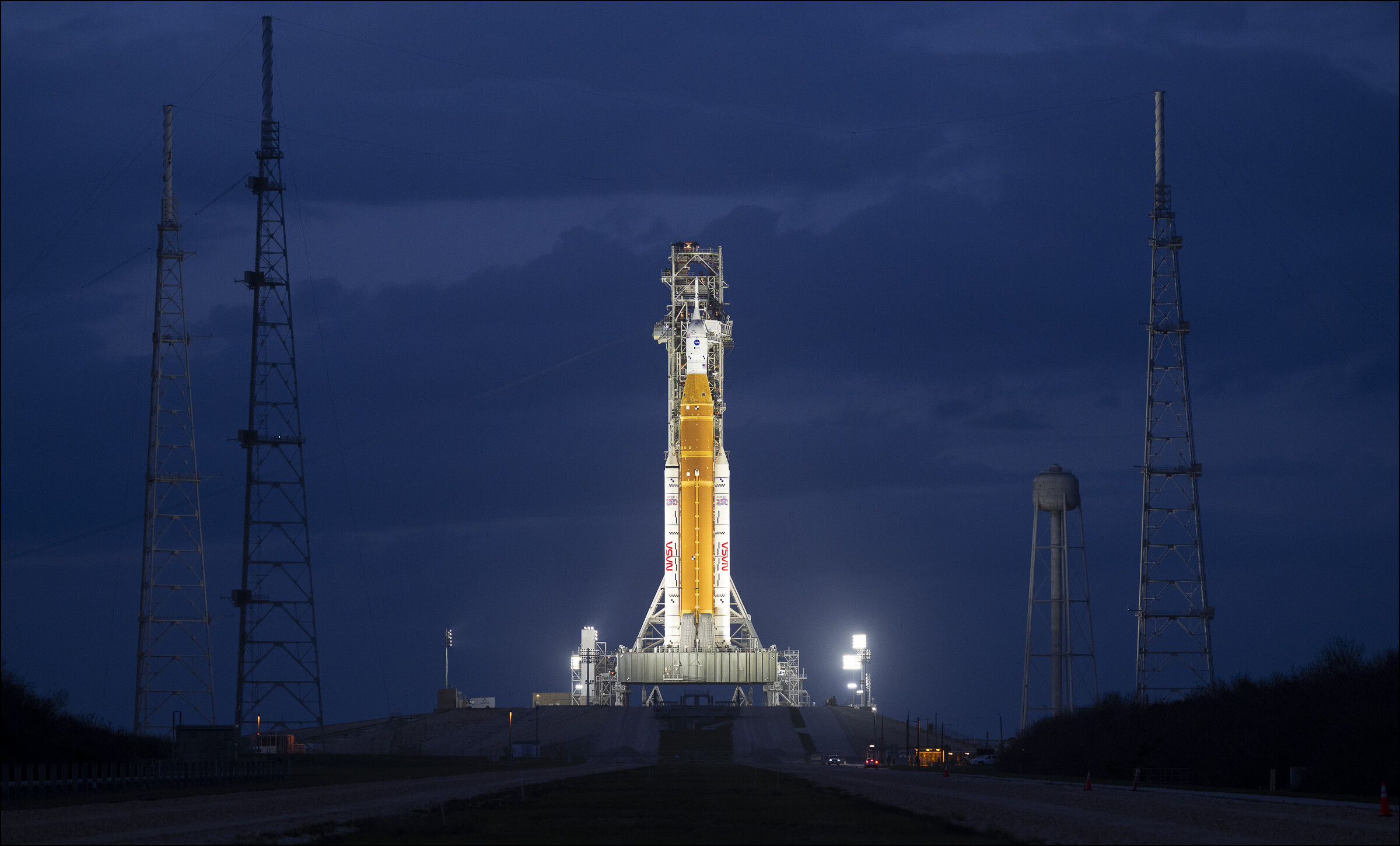
During Artemis I, NASA’s Space Launch System (SLS) rocket will send the agency’s Orion spacecraft on a trek 40,000 miles beyond the Moon before returning to Earth. To capture the journey, the rocket and spacecraft are equipped with cameras that will collect valuable engineering data and share a unique perspective of humanity’s return to the Moon.

There are 24 cameras on the rocket and spacecraft – eight on SLS and 16 on Orion – to document essential mission events including liftoff, ascent, solar array deployment, external rocket inspections, landing and recovery, and capture images of Earth and the Moon.

On the rocket, four cameras around the engine section point up toward Orion, two cameras at the intertank by the top of boosters will capture booster separation, and two cameras on the launch vehicle stage adapter will capture core stage separation. The eight cameras will cycle through a preprogrammed sequence during launch and ascent.

On Orion, an external camera mounted on the crew module adapter will show the SLS rocket’s ascent, providing the “rocket cam” view the public often sees during launches. Another camera will provide a view of service module panel jettison and solar array wing deployment. Four cameras attached to the spacecraft’s solar array wings on the service module will help engineers assess the overall health of the outside of Orion and can capture a selfie view of the spacecraft with the Earth or Moon in the background.
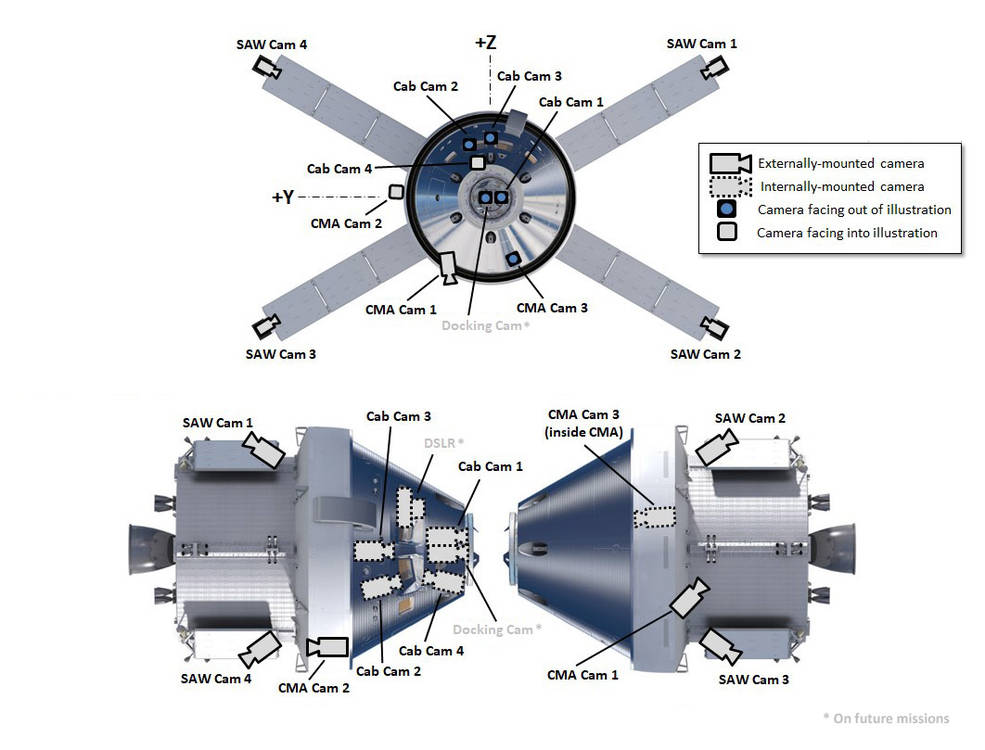
A specialized camera on the crew module adapter used for optical navigation and to help pinpoint Orion’s location in deep space will be used to collect imagery of the Moon during Orion’s closest approach to the lunar surface. Also affixed to the crew module adapter but pointed inward, another camera is positioned to capture imagery of Orion’s heat shield after the crew module separates from the service module before its re-entry into Earth’s atmosphere.

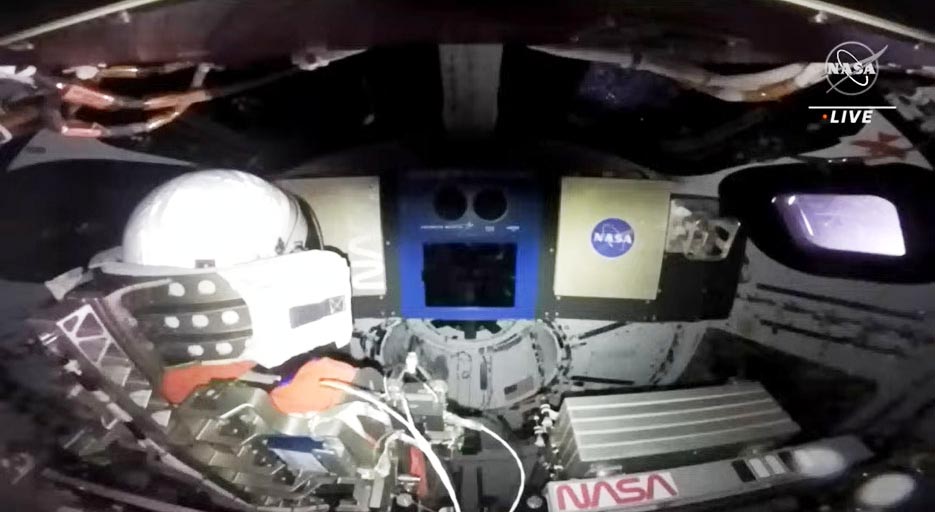
Inside the spacecraft, three more wireless cameras can capture the perspectives astronauts will have on future Artemis missions, with one camera looking out the front pilot window and a second looking over the shoulder of the commander seat, where the instrument panel will be located on future missions. A third in-cabin camera will look out the top hatch window to provide views of launch abort system jettison during ascent as well as parachute deployment during landing and recovery.

There are also two external high-speed cameras dedicated to monitoring parachute operations, which technicians will download and process after the flight.

The images and video collected by the Orion cameras will come in a variety of formats, ranging from standard-definition to high-definition and up to 4K. Each is tailored for a specific use and dependent on the bandwidth available during the mission to send to Earth or recorded on board to be analyzed after the mission ends. Due to bandwidth limitations on the spacecraft that prioritize transmitting critical data to the ground, livestream video quality will be lower than the onboard recordings. As a result, some of the highest quality views may not be received until well after they are recorded and can be downlinked.


ByAIRLIVE contibutors
Follow:
Since its founding in 2014, AIRLIVE has grown into one of the most trusted aviation news networks in the world, thanks to the dedication and expertise of its diverse team of contributors from across the globe. AIRLIVE’s crew include aviation journalists, air traffic analysts, airport insiders and aviation enthusiasts.

LATEST NEWS

Ejected pilot of crashed F-16 Fighting Falcon has been located and was conscious
Military USA
September 17, 2026
Air Canada flight from Washington is reporting lavatory issue: “nauseating smell even in the cockpit”
Canada Exclusive News
September 17, 2026
Air Canada Mitsubishi CRJ-900LR
AC AC8822 C-FJFZ YUL
A passenger of United UA2865 is currently receiving continuous oxygen support
Emergency USA
September 17, 2026
United Airlines Boeing 737-824
DEN N37298 UA UA2865
SAS Airbus A320neo is reporting cracked flight deck screen on arrival to Oslo
Europe Incident
September 17, 2026
Scandinavian Airlines System Airbus A320-251N
OSL SE-RUP SK SK867
Qatar Airways flight QR329 requested security on arrival at London Gatwick this morning
Europe Exclusive Incident UK
September 17, 2026
Qatar Airways Boeing 787-9 Dreamliner
A7-BHW LGW QR QR329
Pakistan Airlines Boeing 777 is declaring an emergency on approach to Manchester
Emergency Europe Tracking UK
September 16, 2026
Pakistan International Airlines Boeing 777-240LR
AP-BGY MAN PK PK701

Related news

Space

Five astronauts were ordered to take shelter inside 4-meter wide SpaceX capsule attached to the ISS

June 5, 2026
SpaceUSA

NASA is now beginning Artemis II live mission official coverage

April 1, 2026
SpaceUSA

BREAKING Artemis III mission will no longer attempt a lunar landing

February 27, 2026
SpaceUSA

We know more about medical situation prompting NASA to organize evacuation of Crew 11

February 26, 2026
AIRLIVE.net is an Aviation news network supported by a team of journalists and aviation enthusiasts.
Add AIRLIVE as Google preferred source
Since 2014, AIRLIVE.net has been publishing accurate aviation news and live updates from our sources around the world. This has led to the creation of the largest aviation community on social media.
Eyewitness to an event?
Alert AIRLIVE's newsdesk on WhatsApp
AIRLIVEAIRLIVE
Follow US
Copyright AIRLIVE 2026
  • Contact
  • Submit a story
  • Privacy policy
  • Return policy
Welcome Back!

Sign in to your account

Username or Email Address
Password

Lost your password?