
AIRLIVEAIRLIVE
  • News
  • Emergency
  • Accident
  • Incident
  • Tracking
  • Military
  • Space
  • Reports
  • Exclusive
  • CamsLIVE
Notification Show More
AIRLIVEAIRLIVE
Search
  • News
  • Emergency
  • Accident
  • Incident
  • Tracking
  • Military
  • Space
  • Reports
  • Exclusive
  • CamsLIVE
Follow US
AIRLIVE Aviation news network
Get aviation breaking news on WhatsApp
AIRLIVE > All articles > Space > NASA’s Mars helicopter survived its first cold Martian night on its own
Space

NASA’s Mars helicopter survived its first cold Martian night on its own

AIRLIVE contibutors
Last updated: April 6, 2021, 15:35 UTC
Published: Tuesday, April 6, 2021, at 15:35 UTC
Category: Space
Author: AIRLIVE contibutors
SHARE

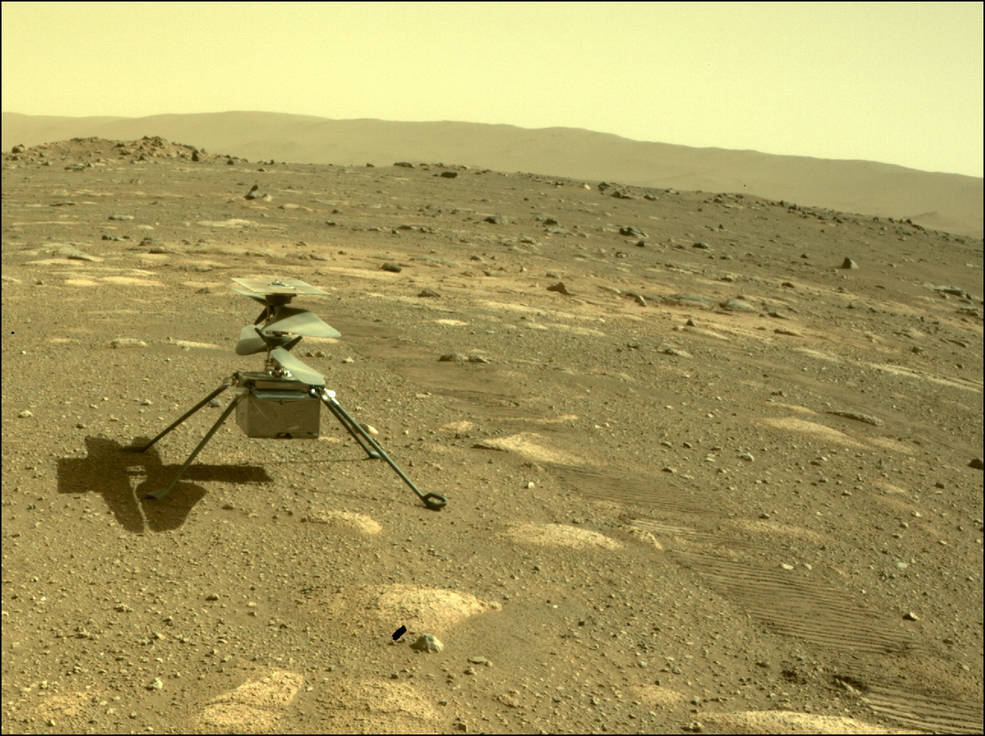
NASA’s Ingenuity Mars Helicopter has emerged from its first night on the surface of Mars.

Evening temperatures at Jezero Crater can plunge as low as minus 130 degrees Fahrenheit (minus 90 degrees Celsius), which can freeze and crack unprotected electrical components and damage the onboard batteries required for flight.

Surviving that first night after being deployed from where it was attached to the belly of NASA’s Perseverance rover on April 3 is a major milestone for the 4-pound (1.8 kilograms) rotorcraft. In the days to come, Ingenuity will be the first aircraft to attempt powered, controlled flight on another planet.

“This is the first time that Ingenuity has been on its own on the surface of Mars,” said MiMi Aung, Ingenuity project manager at NASA’s Jet Propulsion Laboratory in Southern California. “But we now have confirmation that we have the right insulation, the right heaters, and enough energy in its battery to survive the cold night, which is a big win for the team. We’re excited to continue to prepare Ingenuity for its first flight test.”

Devising a craft small enough to fit onto the rover, light enough to fly in Mars’ thin atmosphere, yet hardy enough to withstand the Martian cold presented significant challenges. To ensure the solar array atop the helicopter’s rotors could begin getting sunlight as soon as possible, Perseverance was instructed to move away from Ingenuity shortly after deploying it.

Until the helicopter put its four legs onto the Martian surface, Ingenuity remained attached to the belly of the rover, receiving power from Perseverance, which touched down at Jezero Crater on Feb. 18. The rover serves as a communications relay between Ingenuity and Earth, and it will use its suite of cameras to observe the flight characteristics of the solar-powered helicopter from “Van Zyl Overlook.”

The sole mission of Ingenuity, a technology demonstration, is to conduct flight tests in the thin atmosphere of Mars; the helicopter carries no science instruments. Within 30 Martian days, or sols (a Martian day is 24.6 hours), on the surface, Ingenuity will complete its testing, and Perseverance’s scientific exploration of Jezero Crater will kick into high gear.

“Our 30-sol test schedule is frontloaded with exciting milestones,” said Teddy Tzanetos, deputy operations lead for the Ingenuity Mars Helicopter at JPL. “Whatever the future holds, we will acquire all the flight data we can within that timeframe.”

ByAIRLIVE contibutors
Follow:
Since its founding in 2014, AIRLIVE has grown into one of the most trusted aviation news networks in the world, thanks to the dedication and expertise of its diverse team of contributors from across the globe. AIRLIVE’s crew include aviation journalists, air traffic analysts, airport insiders and aviation enthusiasts.

LATEST NEWS

Following an hour-long taxi, SQ31 turned around over the Pacific and returned to SFO 8 hours after takeoff
Tracking USA
October 15, 2026
Singapore Airlines Airbus A350-941
9V-SJC SQ SQ31
United flight UA941 to Newark is declaring an emergency and returning to London Heathrow
Emergency Europe Tracking UK
October 15, 2026
United Airlines Boeing 767-3CBER
LHR N686UA UA UA941
Two flight attendants fell during turbulence on Delta flight to Atlanta
Incident North America Tracking
October 15, 2026
Delta Air Lines Boeing 737-932ER
ATL DL DL1820 N820DN
A 34-year-old United Boeing 767 lost its weather radar during climb out from Washington to Paris
Incident Tracking USA
October 15, 2026
United Airlines Boeing 767-322ER
IAD N651UA UA UA330

Related news

Space

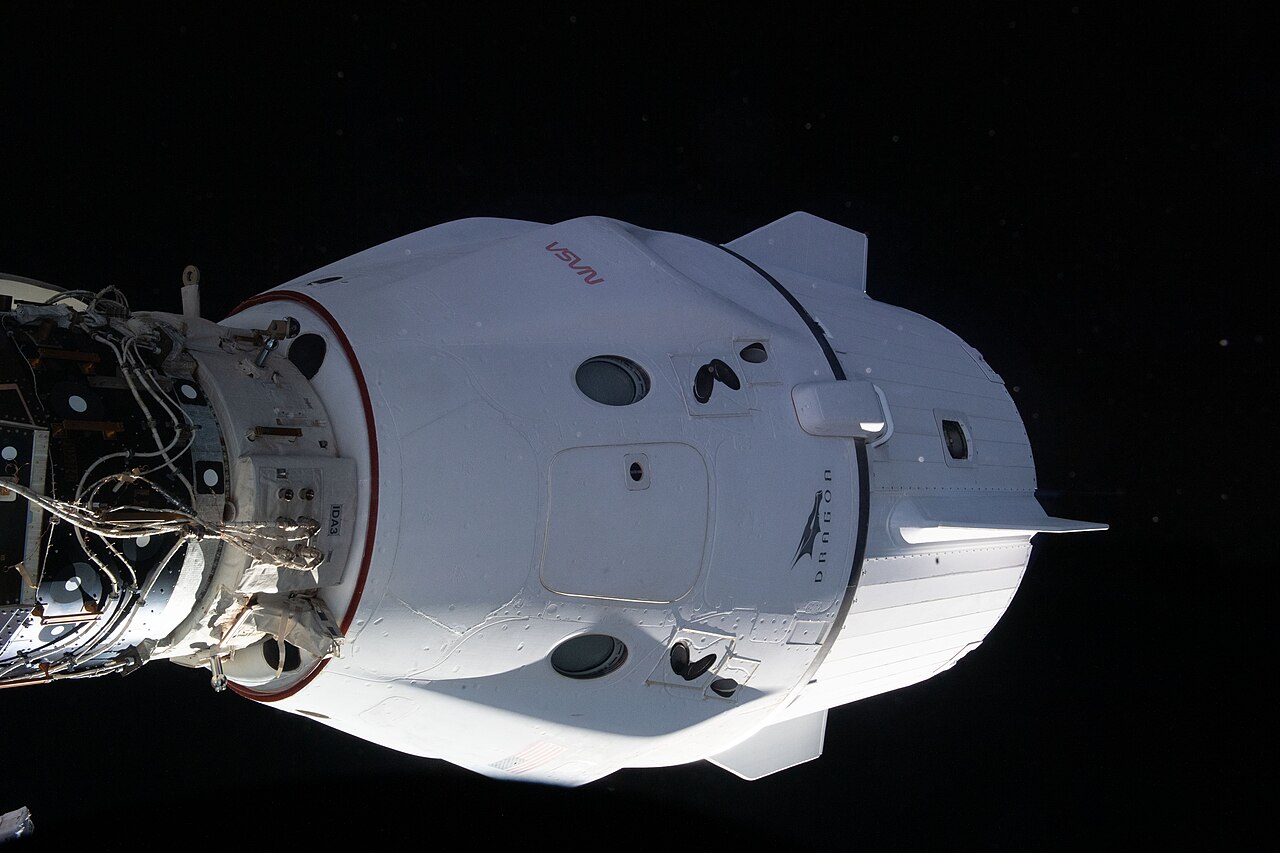
Five astronauts were ordered to take shelter inside 4-meter wide SpaceX capsule attached to the ISS

June 5, 2026
SpaceUSA

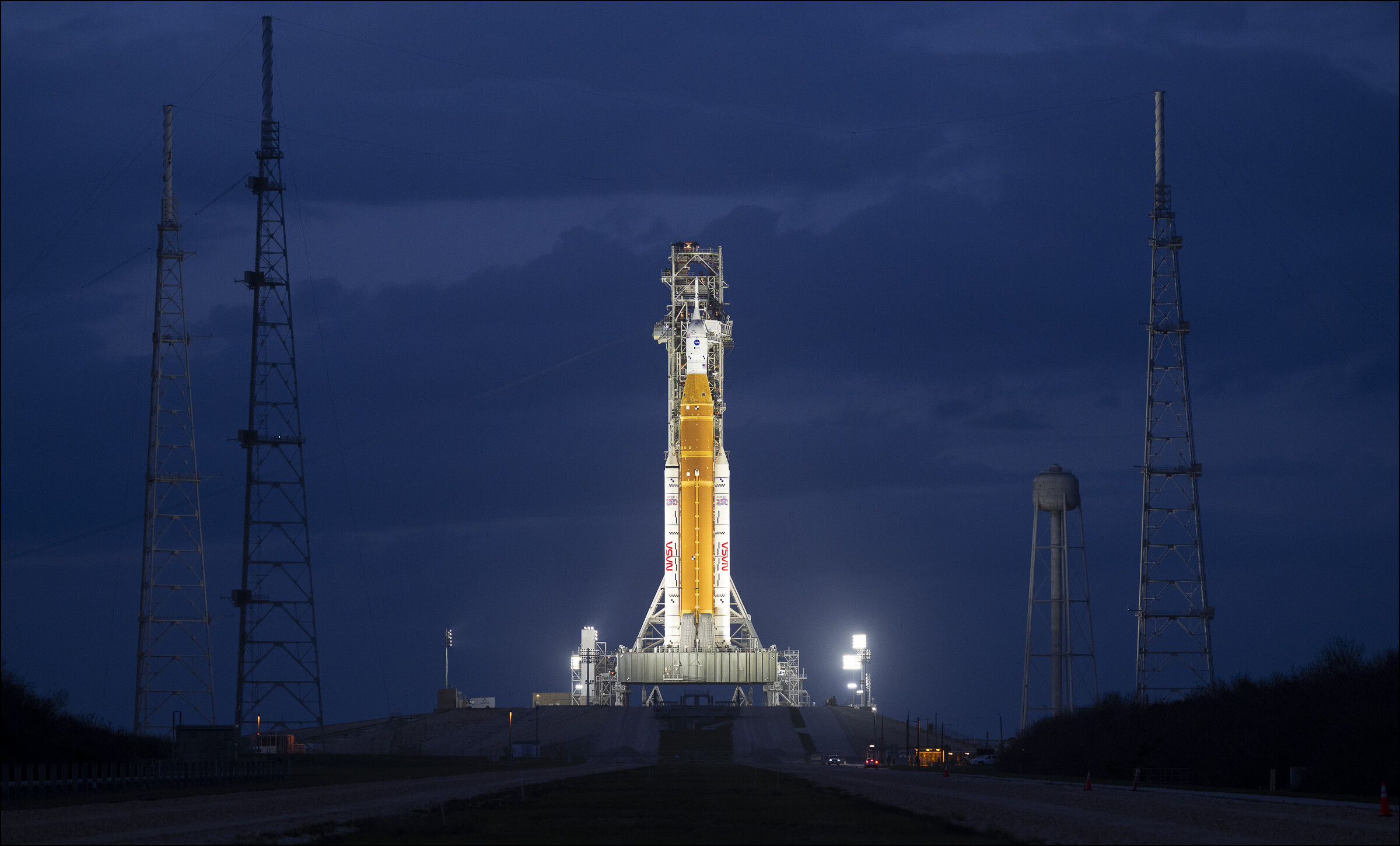
NASA is now beginning Artemis II live mission official coverage

April 1, 2026
SpaceUSA

BREAKING Artemis III mission will no longer attempt a lunar landing

February 27, 2026
SpaceUSA

We know more about medical situation prompting NASA to organize evacuation of Crew 11

February 26, 2026
AIRLIVE.net is an Aviation news network supported by a team of journalists and aviation enthusiasts.
Add AIRLIVE as Google preferred source
Since 2014, AIRLIVE.net has been publishing accurate aviation news and live updates from our sources around the world. This has led to the creation of the largest aviation community on social media.
Eyewitness to an event?
Alert AIRLIVE's newsdesk on WhatsApp
AIRLIVEAIRLIVE
Follow US
Copyright AIRLIVE 2026
  • Contact
  • Submit a story
  • Privacy policy
  • Return policy
Go to mobile version
Welcome Back!

Sign in to your account

Username or Email Address
Password

Lost your password?