

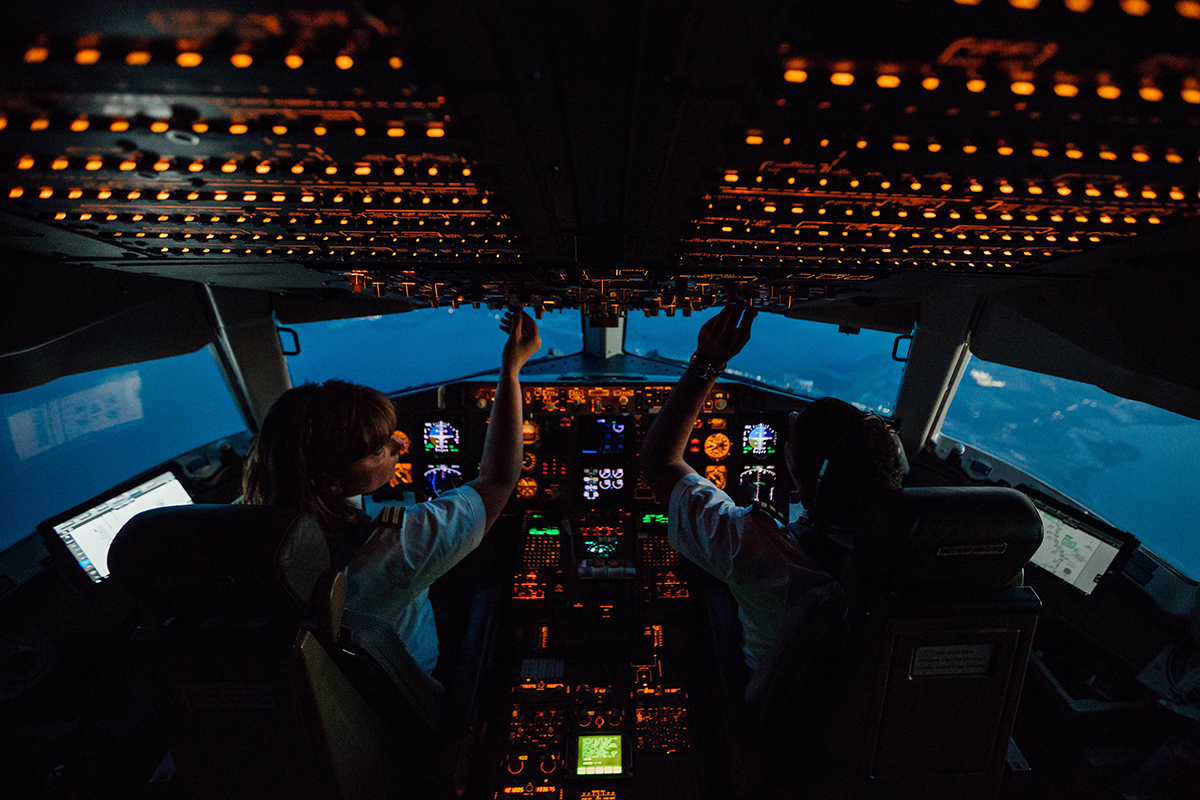
ATLANTA — Three Delta Air Lines first officers declared themselves unfit to fly due to fatigue within a span of just over four hours on Monday, November 23, 2026, disrupting schedules at major hubs in Atlanta and Minneapolis while demonstrating the aviation industry’s frontline safety protocols in action.
The sequence of fatigue calls began in the mid-afternoon and affected three separate domestic Airbus narrowbody flights:
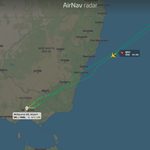
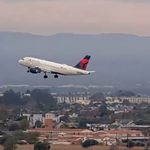
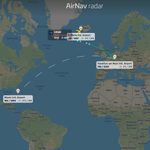
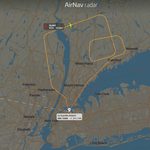
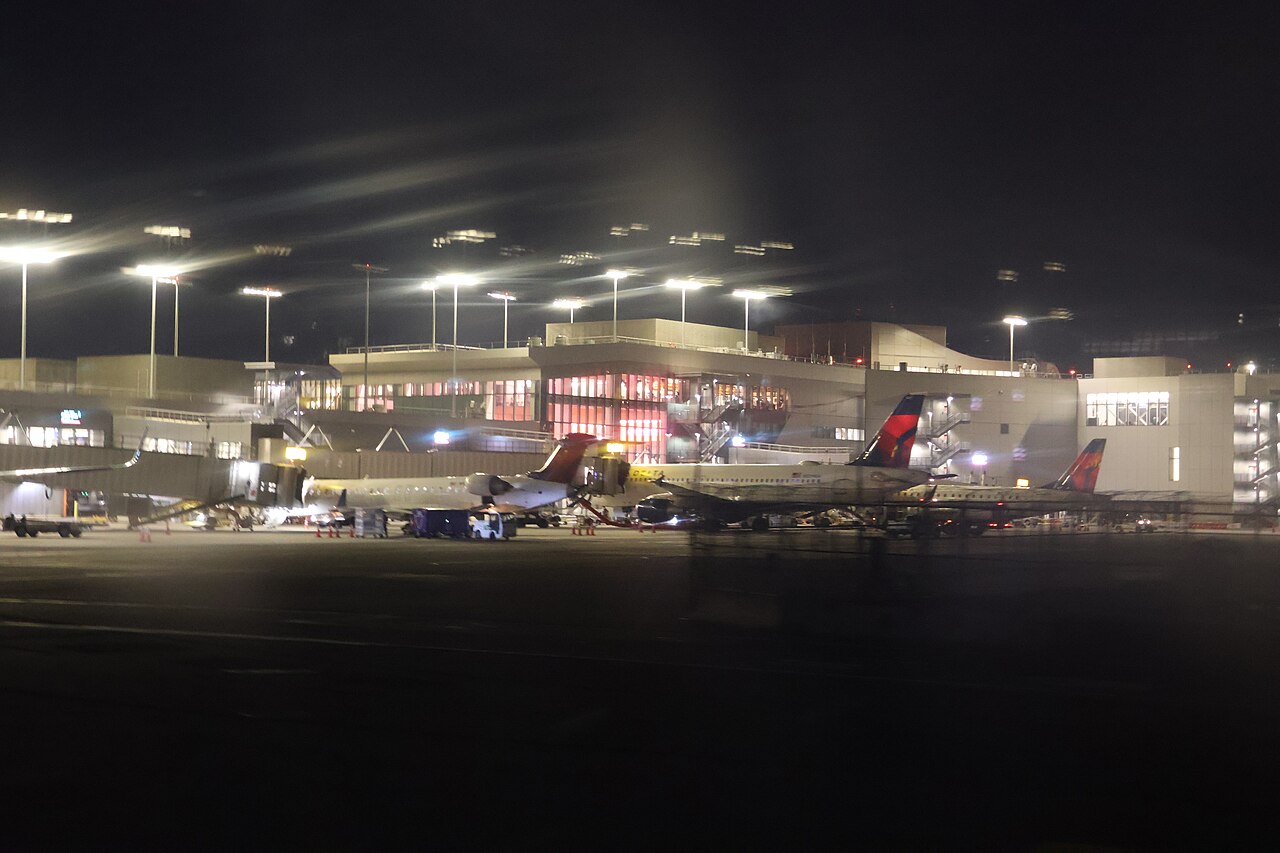
- Flight DL1137: Operated by an Airbus A320 (registration N374NW), the flight landed safely at Hartsfield-Jackson Atlanta International Airport (ATL) at 3:40 PM EST, where the first officer immediately declared fatigue upon arrival, removing themselves from further scheduled duties.
- Flight DL1241: Also in Atlanta, the first officer assigned to an Airbus A320 (registration N359NW) called in fatigued prior to departure. Airline crew schedulers scrambled to source a reserve pilot on short notice, resulting in a delayed departure at 4:10 PM EST.
- Flight DL2654: Later that evening, the first officer aboard an Airbus A321 (registration N350DN) declared themselves fatigued upon landing at Minneapolis-Saint Paul International Airport (MSP) at 7:05 PM CST.
While three fatigue calls in rapid succession is unusual for a single afternoon, aviation safety experts emphasize that such declarations are a sign that safety systems are working as intended rather than a cause for passenger alarm.
How Fatigue Risk Management Systems Work
Under Federal Aviation Administration (FAA) regulations (specifically 14 CFR Part 117) commercial pilots are legally prohibited from operating an aircraft if they feel too fatigued to do so safely, even if they are within their maximum legal flight and duty time limits.
To enforce this without fear of reprisal, airlines operate under Fatigue Risk Management Systems (FRMS) alongside non-punitive fatigue policies negotiated with pilot unions, such as the Air Line Pilots Association (ALPA). Key pillars of the protocol include:
- Unilateral Authority: Both captains and first officers have the unilateral right and legal obligation to remove themselves from duty at any point, before departure or upon arrival at an intermediate stop, if acute fatigue impairs their alertness.
- Non-Punitive Reporting: When a pilot calls in fatigued, they are removed from the trip immediately without disciplinary action. Instead, the pilot submits a confidential fatigue report detailing the contributing factors, such as irregular circadian rhythms, weather delays, hotel noise, or cumulative schedule stress.
- Data-Driven Schedule Adjustments: Safety committees jointly staffed by airline management and pilot representatives review these reports to identify systemic scheduling pinch points, such as back-to-back early mornings or short layovers, and adjust future crew pairings accordingly.
For airlines, a short-notice fatigue call requires immediate logistical reshuffling, often pulling from pools of “reserve” pilots kept on standby at major hubs like Atlanta and Minneapolis to minimize cascading delays. However, across the commercial aviation sector, safety regulators view every voluntary fatigue call as a successful intervention that keeps an impaired crew member out of the flight deck.