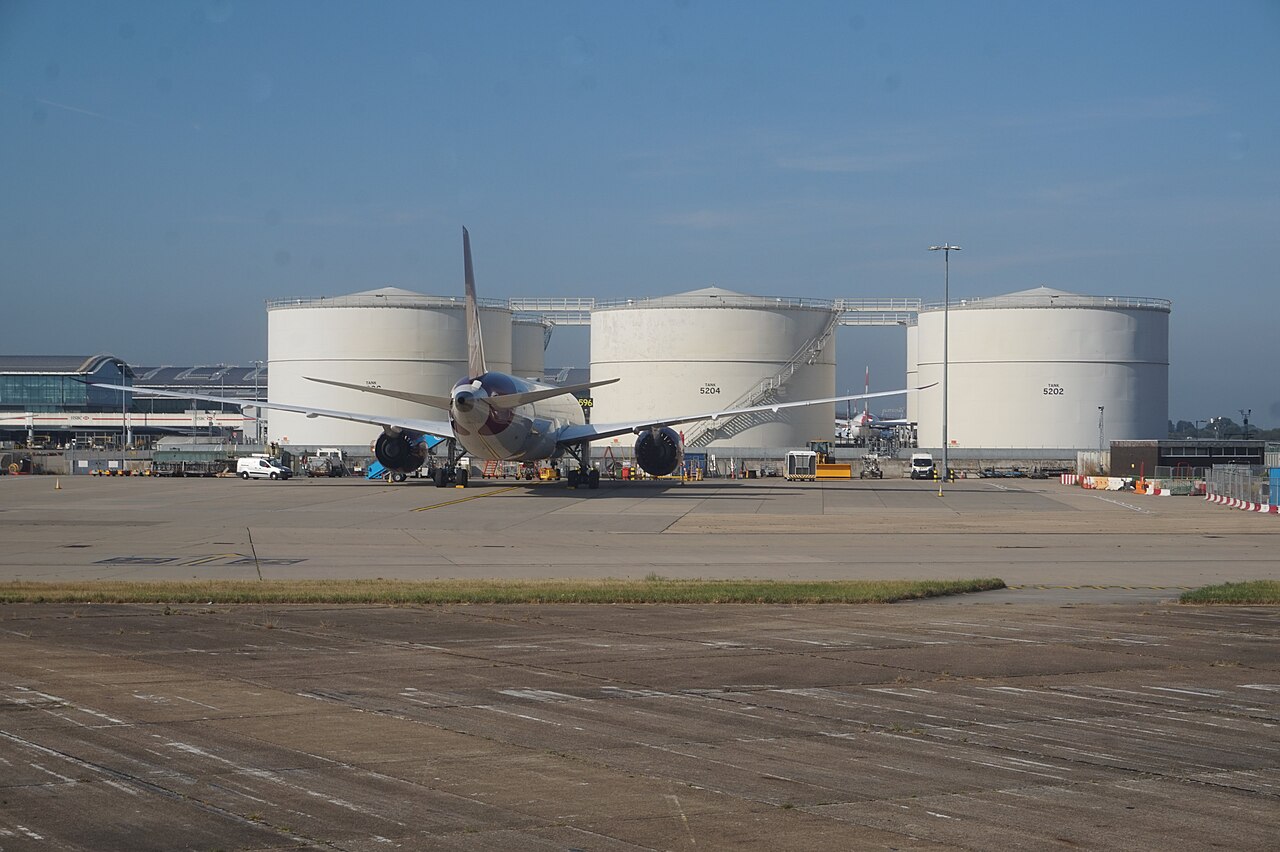



Following the announcement of a ceasefire between Israel and Iran, Ben Gurion Airport began logistical preparations on Wednesday morning for a significant, albeit cautious, ramp-up in flight operations.
TEL AVIV — After weeks of severely restricted airspace, the Israel Airports Authority (IAA) and the Transportation Ministry are coordinating a phased return to normalcy. While the roar of engines is returning to the tarmac, officials emphasize that the transition will be gradual, guided by security assessments and the lingering presence of international military assets.
A Phased Return to the Skies
The recovery strategy focuses on a step-by-step expansion of capacity to ensure safety while meeting the anticipated surge in travel demand.
- Infrastructure Reactivation: Maintenance crews have begun cleaning operational zones and reactivating terminal infrastructure that was sidelined during the height of the conflict.
- Capacity Easing: Currently, departing flights are restricted to roughly 100 passengers and a frequency of two departures per hour.
- New Quotas: A new measure from the Transportation Ministry, expected to take effect as early as next week, will raise these limits significantly:
- Medium-haul (Europe): Up to 120 passengers per flight.
- Long-haul: Up to 150 passengers per flight.
Airlines Poised for Expansion
At present, domestic carriers—El Al, Arkia, and Israir—remain the primary operators at the airport.
- Arkia: CEO Oz Berlowitz stated the airline is ready to quickly expand, with plans to resume a full schedule by May 3. Throughout April, the carrier will continue serving key hubs including Athens, Larnaca, Rome, Vienna, and New York.
- El Al: The national carrier is currently finalizing its own revised operational plans to accommodate the new passenger quotas.
- Foreign Carriers: International airlines like Flydubai, Etihad Airways, and Ethiopian Airlines have signaled a strong interest in returning to the Israeli market. However, they remain in a “holding pattern” awaiting final regulatory and security clearance from Israeli authorities.
The “American Factor” and Security Hurdles
Despite the diplomatic breakthrough, two major factors are slowing the return to “business as usual.”
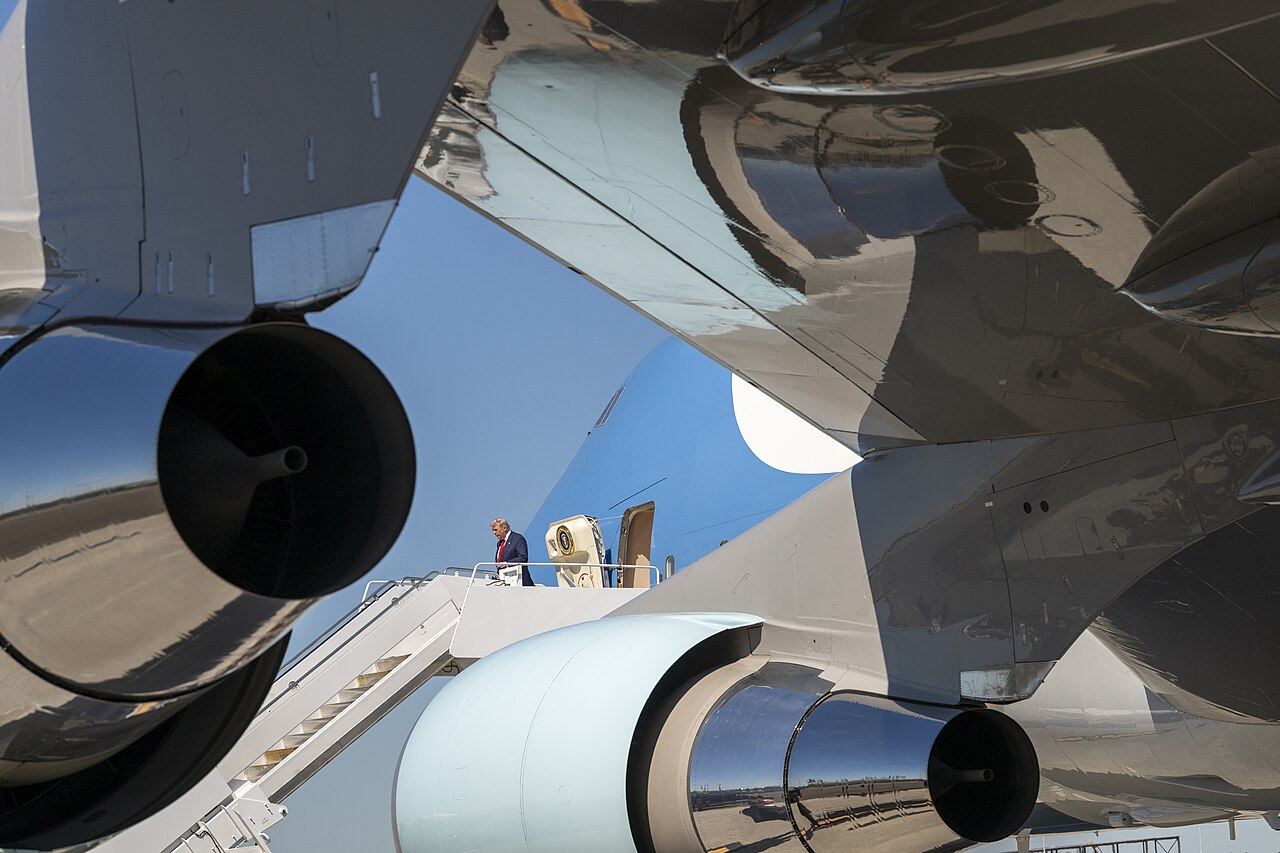
First, the continued presence of U.S. Air Force aircraft and personnel on the ground at Ben Gurion requires dedicated logistical space and security protocols. Second, there is a prevailing “wait-and-see” attitude regarding the durability of the ceasefire.