




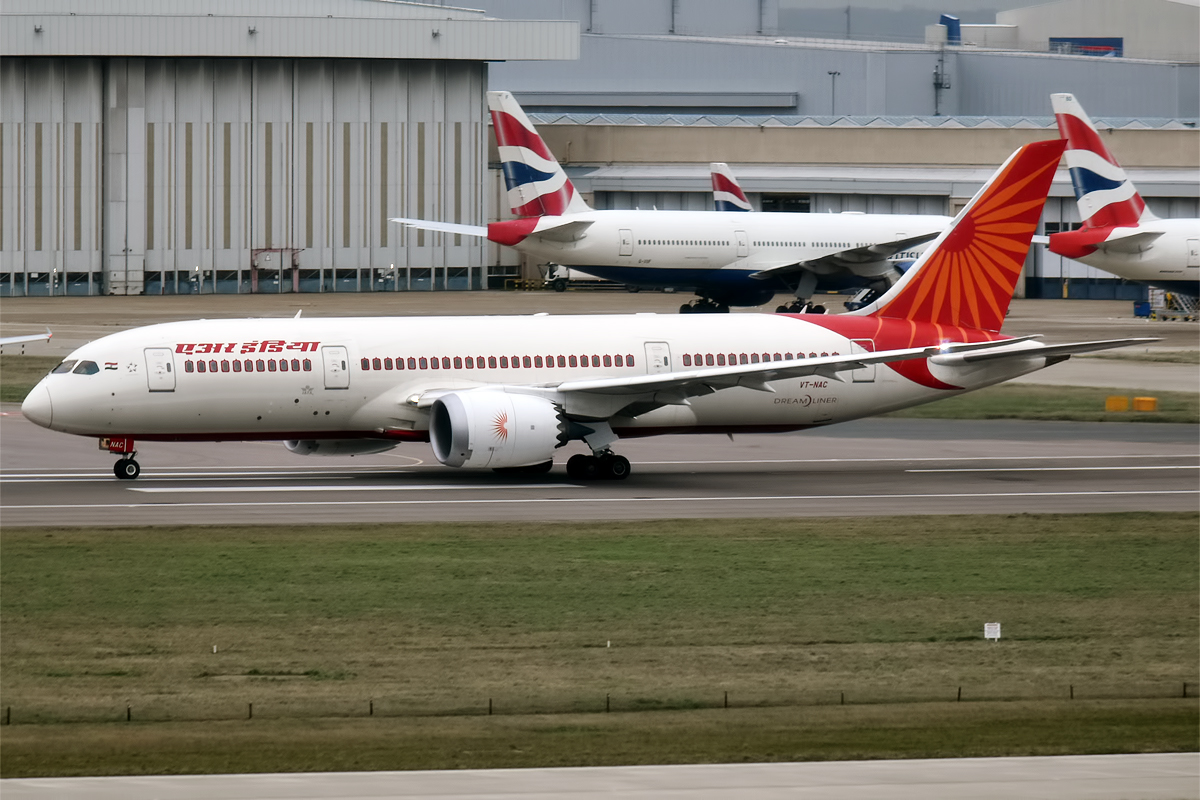
LONDON – The UK’s Civil Aviation Authority (CAA) has launched an investigation into Air India following reports that a Boeing 787 Dreamliner departed London Heathrow with a potentially faulty fuel switch.
The aircraft, operating as Flight AI132, was grounded immediately upon its arrival in India for emergency safety checks. The incident has prompted a sharp response from British regulators, who are questioning why the aircraft was permitted to take off if a technical discrepancy was known.
Regulatory Ultimatum
In a formal letter issued to the airline on Tuesday, the CAA signaled its “serious concern” regarding the event. The regulator has given Air India a one-week deadline to provide a comprehensive explanation of the circumstances surrounding the flight.
The CAA warned that failure to provide a satisfactory response could lead to:
- Regulatory action against Air India’s UK operations.
- Increased scrutiny or restrictions on its Boeing 787 fleet.
A spokesperson for the CAA characterized the move as a “standard process,” noting that requesting details following an aircraft incident is “in line with safety assurance procedures” to maintain international aviation standards.
Air India’s Response
Air India has moved quickly to downplay the severity of the switch issue. In a public statement, the airline confirmed that it has already conducted a “precautionary re-inspection” of the switches across its fleet.
Safety Context
The fuel switch is a critical component used to control the flow of fuel to the engines. While modern aircraft like the Boeing 787 have multiple redundancies, any fault in fuel management systems is treated with the highest level of urgency by global aviation bodies.
The outcome of this inquiry will likely depend on whether the CAA determines the flight’s departure was a result of a mechanical oversight or a breakdown in pre-flight safety protocols.