
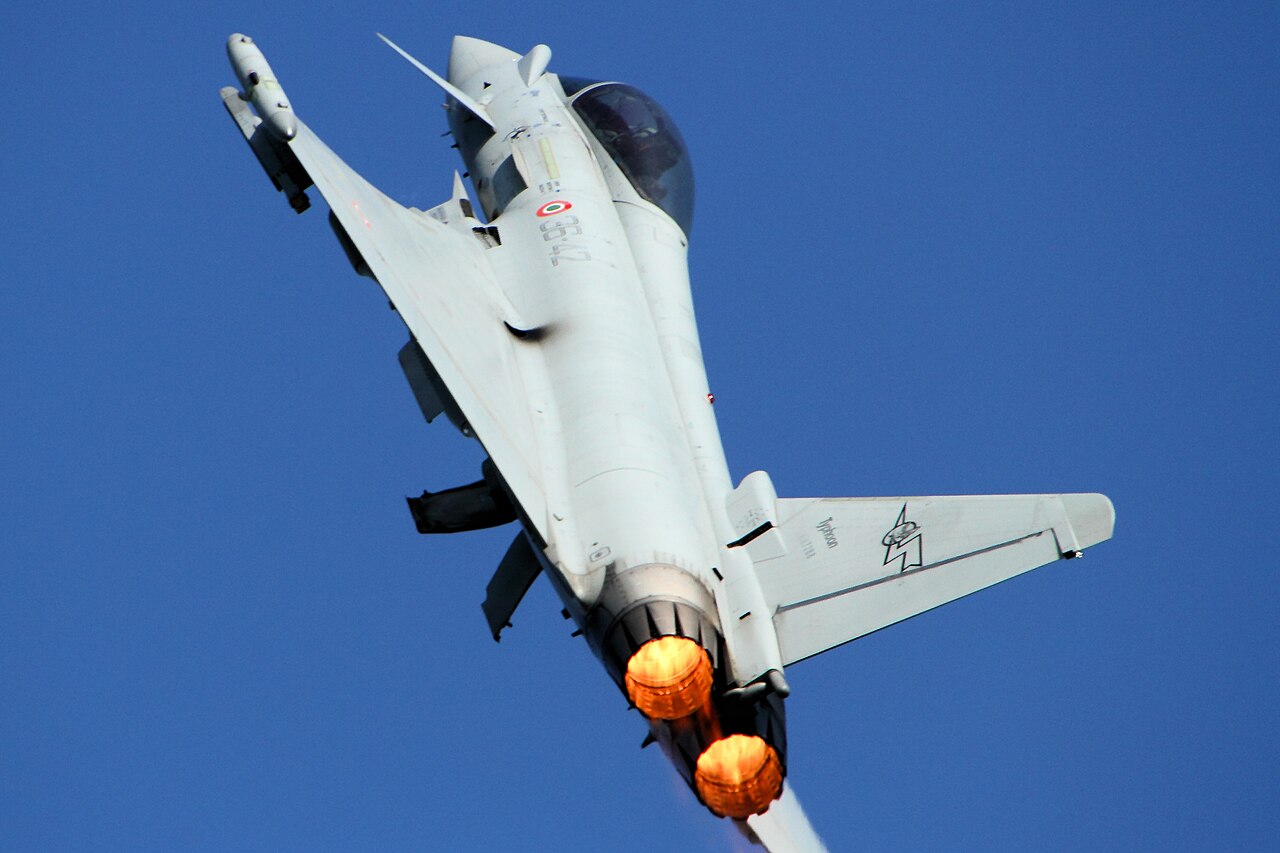
VILNIUS — NATO fighter jets were scrambled shortly after midnight on Tuesday to intercept and shoot down an unidentified drone that violated Lithuanian airspace, official authorities confirmed.
The incident marks the latest breach along NATO’s eastern flank as aerial activity and electronic warfare from the ongoing war in Ukraine continue to spill over into neighboring Baltic nations.
According to Lithuania’s National Crisis Management Centre (NKVC), the drone was detected crossing into southern Lithuanian airspace shortly after midnight on Tuesday, September 15. Authorities reported that the unmanned aerial vehicle appeared to enter the country from the direction of neighboring Belarus, heading west toward central Lithuania.
The drone flew for approximately 30 minutes within Lithuanian airspace and passed over the capital city, Vilnius, before action was taken to neutralize it.
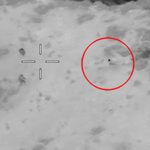
An Italian Air Force Eurofighter Typhoon, deployed as part of NATO’s Baltic Air Policing mission, intercepted and shot down the drone in a rural area near Pratkūnai village, close to Lake Kaunas.
Lithuanian President Gitanas Nausėda confirmed the operation in a public statement early Tuesday morning:
“A drone that just entered Lithuanian airspace was destroyed by NATO fighter jets. The speed and precision of our NATO allies’ response demonstrates the vital readiness required as Russia escalates its war against Ukraine.”
Lithuanian Foreign Minister Kęstutis Budrys also praised the alliance’s swift action, describing the intercept as a clear message of unity and collective defense along NATO’s frontier.
While officials have not yet officially confirmed whether the craft was a Russian strike drone or a Ukrainian reconnaissance unit diverted off course, authorities emphasized that investigations are ongoing to analyze the debris.
NATO members Lithuania, Estonia, and Latvia, who joined the alliance in 2004, remain on high alert. Under NATO’s collective security framework, Baltic Air Policing jets maintain continuous combat readiness to secure and monitor European airspace against potential provocations.