
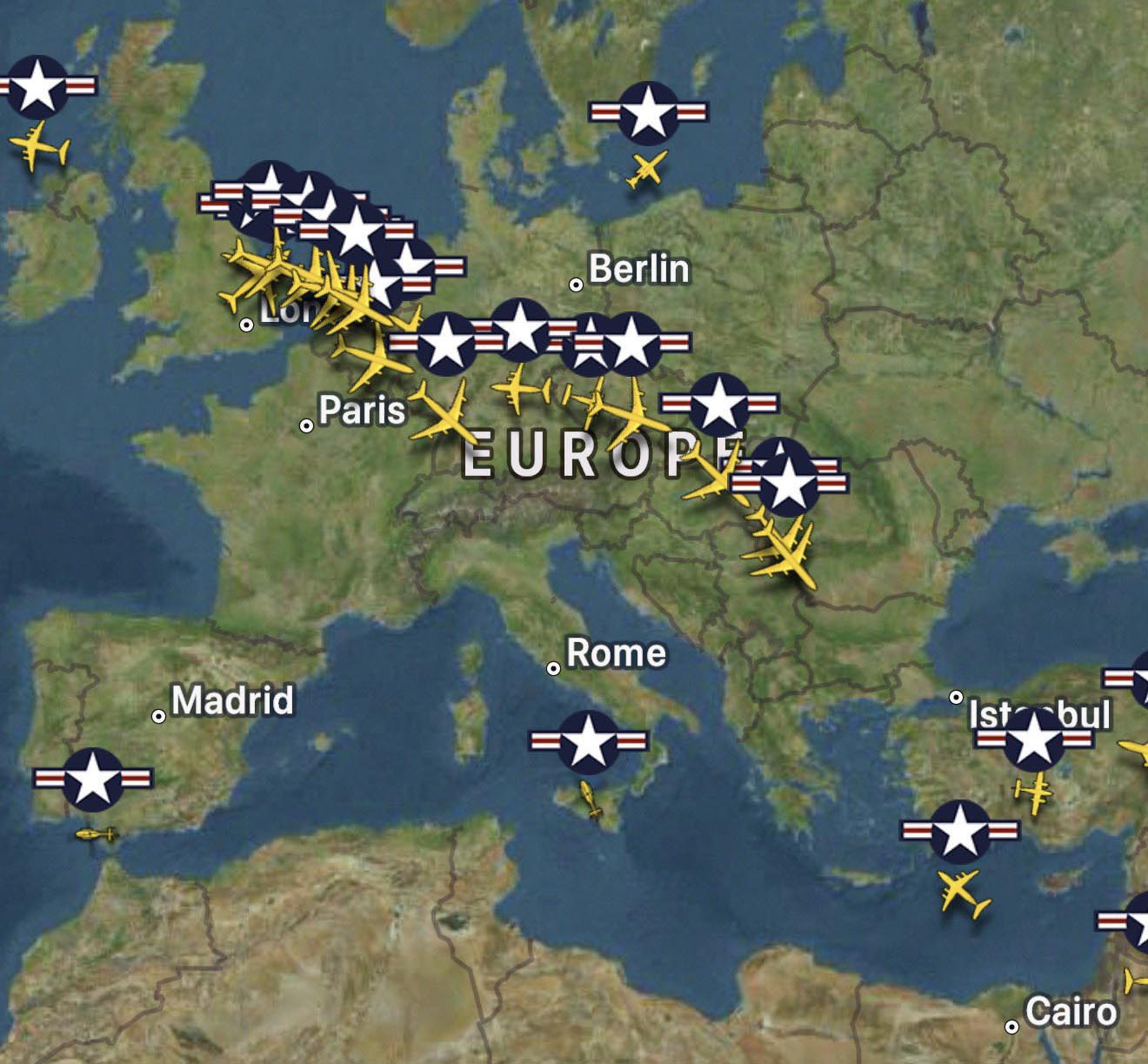
WASHINGTON — In a massive display of aerial might, the United States has deployed more than 50 advanced fighter jets to the Middle East over the last 24 hours. The move, first reported by Axios and confirmed by U.S. officials, underscores a significant escalation in regional military readiness even as diplomatic channels remain open.
The sudden surge includes a high-tech cocktail of air superiority and multi-role aircraft:
- F-35 Lightning II stealth fighters
- F-22 Raptor air superiority jets
- F-16 Fighting Falcon multi-role fighters
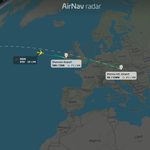
Independent flight-tracking data showed the aircraft, supported by a fleet of aerial refueling tankers, crossing the Atlantic and Europe toward strategic bases in the region, including Al Udeid Air Base in Qatar and Muwaffaq Salti Air Base in Jordan.
This deployment is part of a broader “military pressure campaign” by the administration. The arrival of these jets serves as a clear signal of Washington’s “stick” to accompany its diplomatic “carrot.”
The aerial buildup is being mirrored at sea, where the U.S. Navy is establishing a “multi-layered” presence to secure vital waterways and provide additional strike capabilities.
Middle East: USS Abraham Lincoln (CVN-72)
The USS Abraham Lincoln is currently on station in the Arabian Sea. Accompanied by three guided-missile destroyers, the Lincoln Strike Group has been the primary naval deterrent in the region since arriving in late January. Its air wing (CVW-9) adds dozens more F-35C and F/A-18 Super Hornets to the theater’s total tally.
Mediterranean / En Route: USS Gerald R. Ford (CVN-78)
The world’s largest aircraft carrier, the USS Gerald R. Ford, has been redirected to join the effort. The carrier recently transited the Atlantic after a stint in the Caribbean and is now moving toward the Eastern Mediterranean.