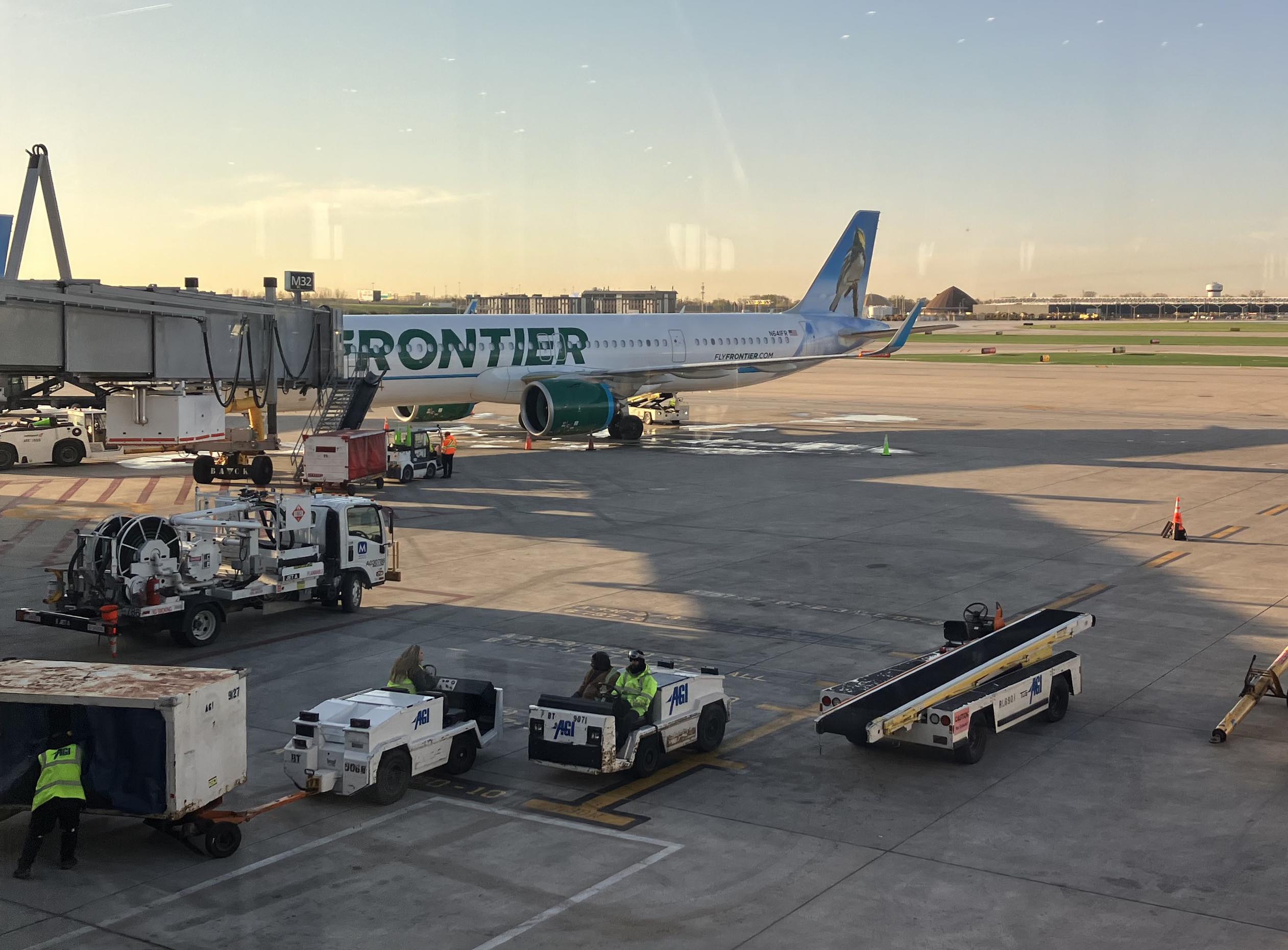


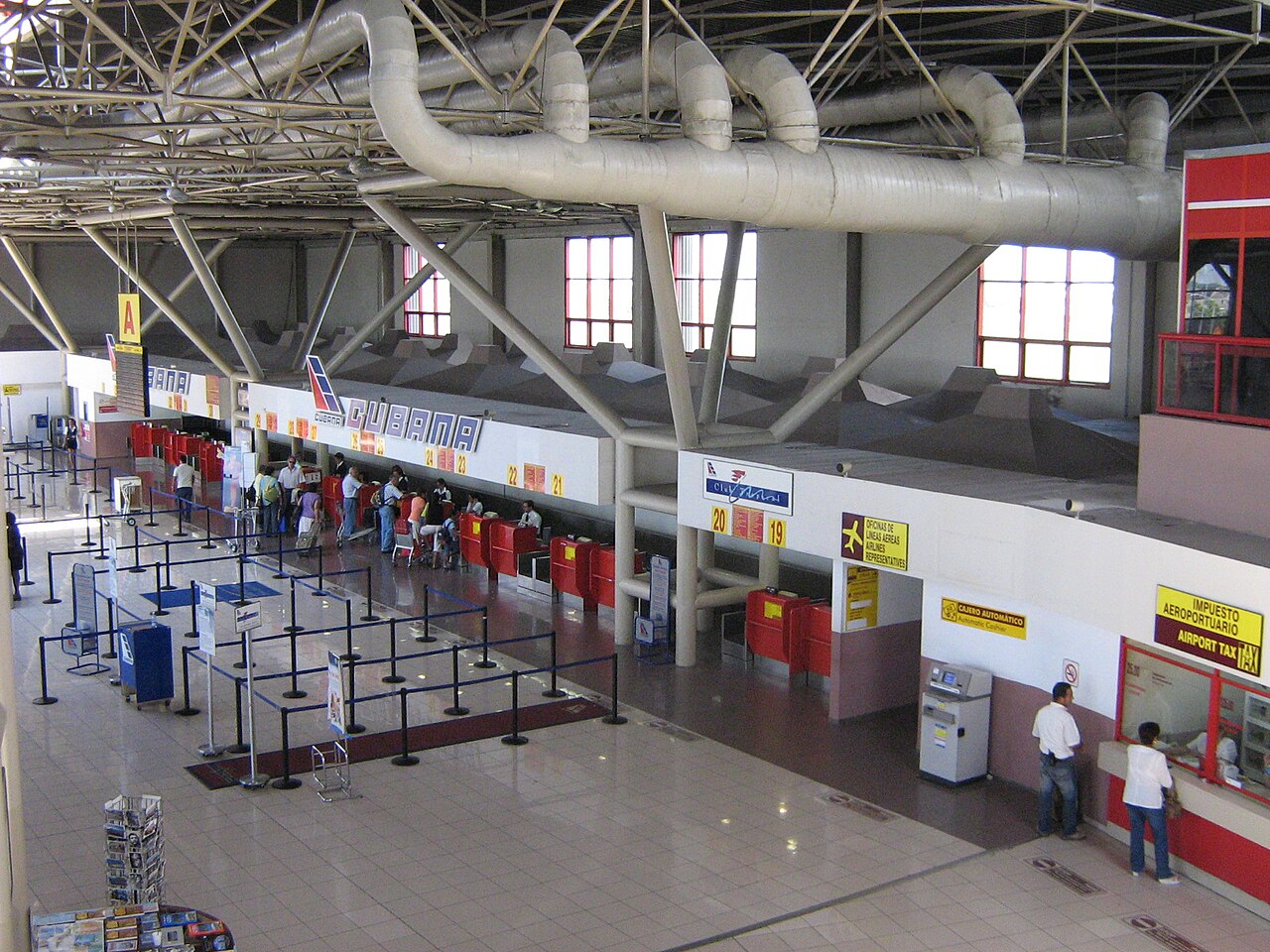
HAVANA – Cuba’s aviation sector has ground to a near-halt this week as the island nation faces a critical shortage of Jet A-1 fuel, forcing major international carriers to suspend operations or implement emergency refueling stops in third countries.
The crisis follows a formal Notice to Air Missions (NOTAM) issued by Cuban aviation authorities on Sunday, warning that jet fuel will be “commercially unavailable” at all nine of the island’s international airports—including Havana’s José Martí International—from February 10 through at least March 11, 2026.
Airlines Forced into Retreat
The fuel drought has triggered an immediate wave of cancellations, particularly from Canadian carriers, which represent a lifeline for Cuba’s tourism industry.
- Air Canada: The carrier has suspended all service to the island, effective immediately. It is currently operating “southbound empty” flights to repatriate approximately 3,000 customers currently stranded at various Cuban resorts.
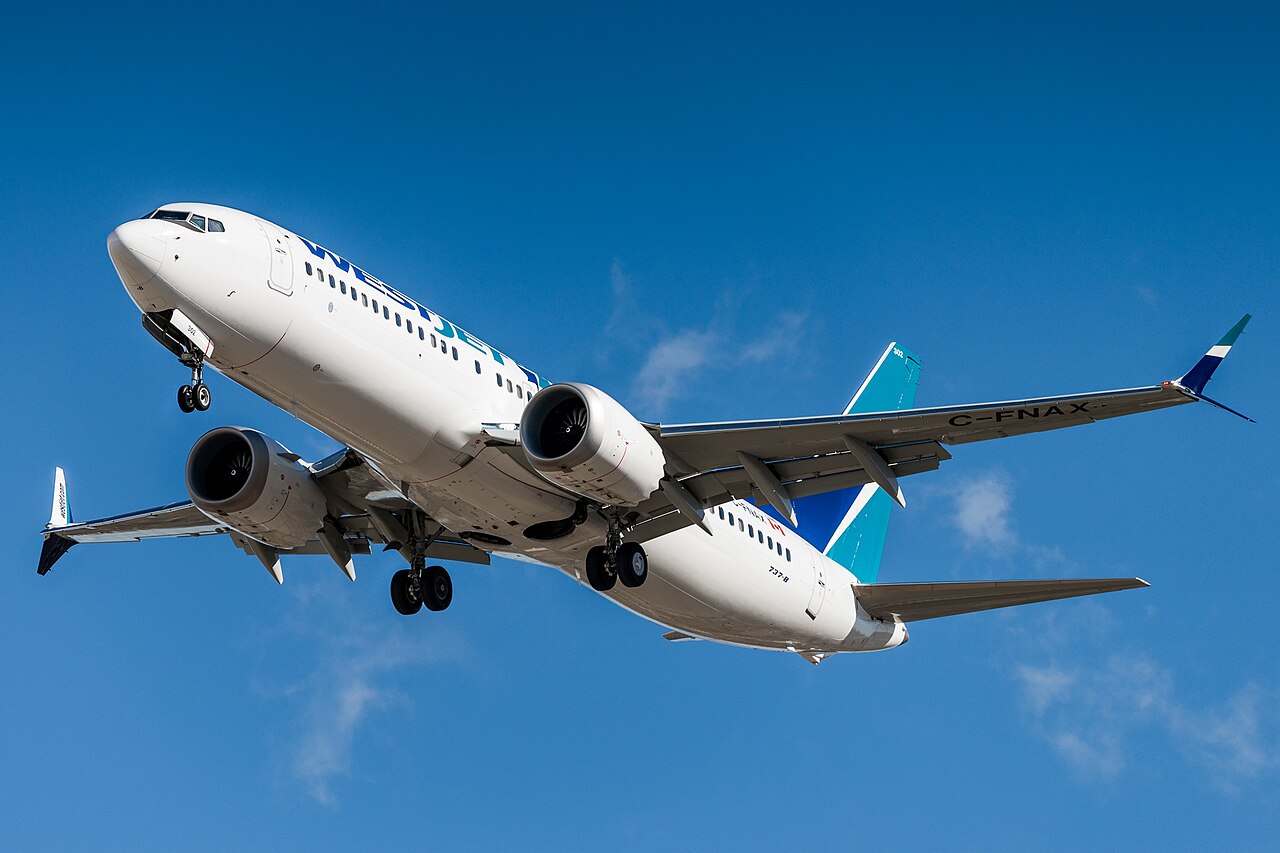
- WestJet & Sunwing: Both have suspended ticket sales and begun an “orderly wind-down” of their winter flight schedules.
- Air Transat: Initially attempting to maintain service, the airline has now suspended all flights to Cuba through April 30, 2026.
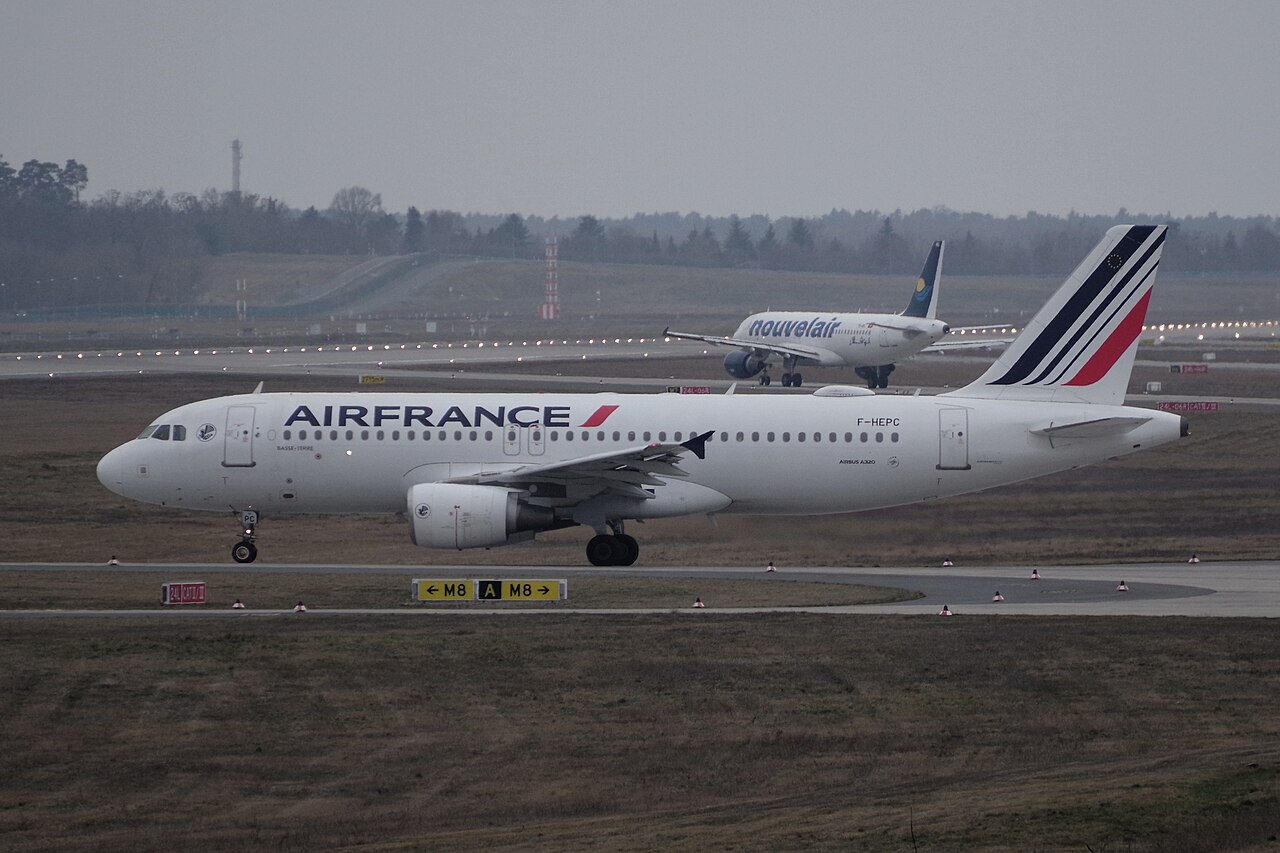
While some airlines are withdrawing, others are resorting to “fuel tankering”—carrying enough fuel for a round trip—or adding technical stops. Iberia and Air Europa have announced that flights departing Havana for Madrid will now require a refueling stop in Santo Domingo, Dominican Republic.
US Pressure and Geopolitical Strains
The shortage is the direct result of a tightening “oil blockade” orchestrated by the United States. Following the January 3 military operation in Venezuela that led to the capture of President Nicolás Maduro, the Trump administration has aggressively targeted Cuba’s energy supply chains.