



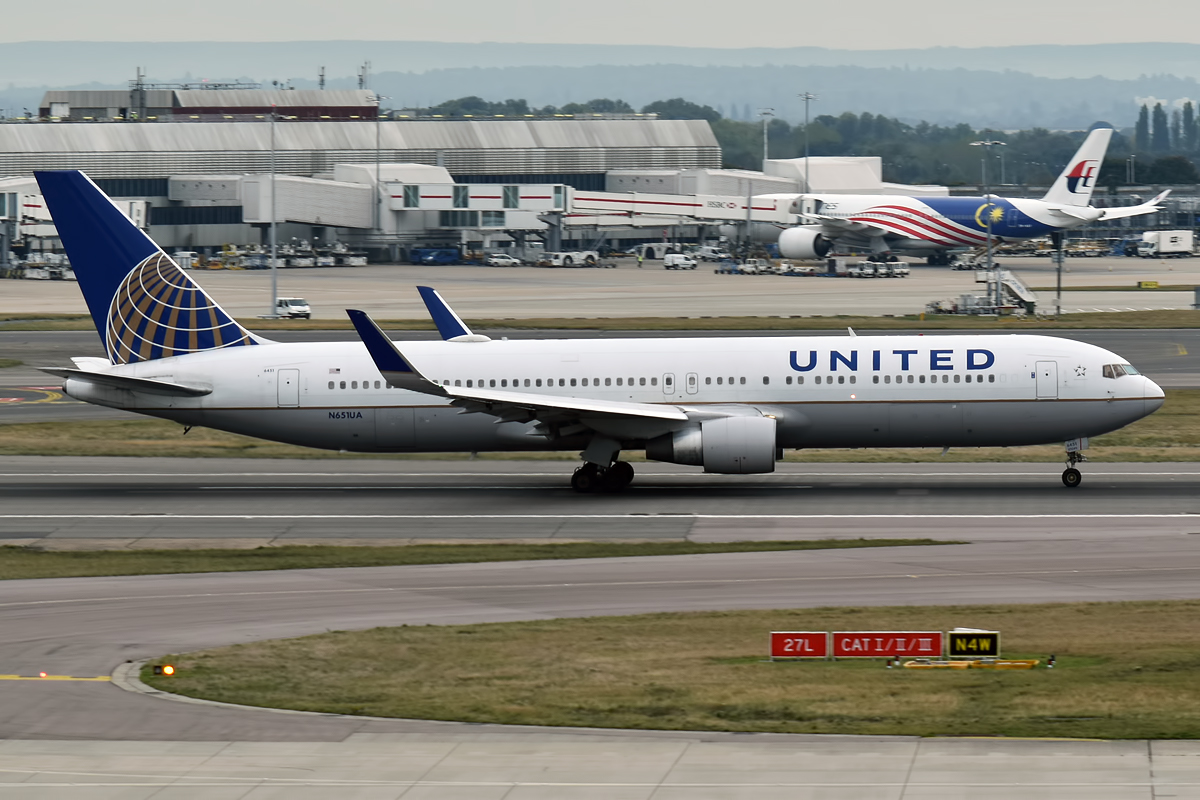
WASHINGTON — A Paris-bound United Airlines flight experienced airborne technical complications on Saturday morning after losing its onboard weather radar system shortly after takeoff from Washington Dulles International Airport (IAD).
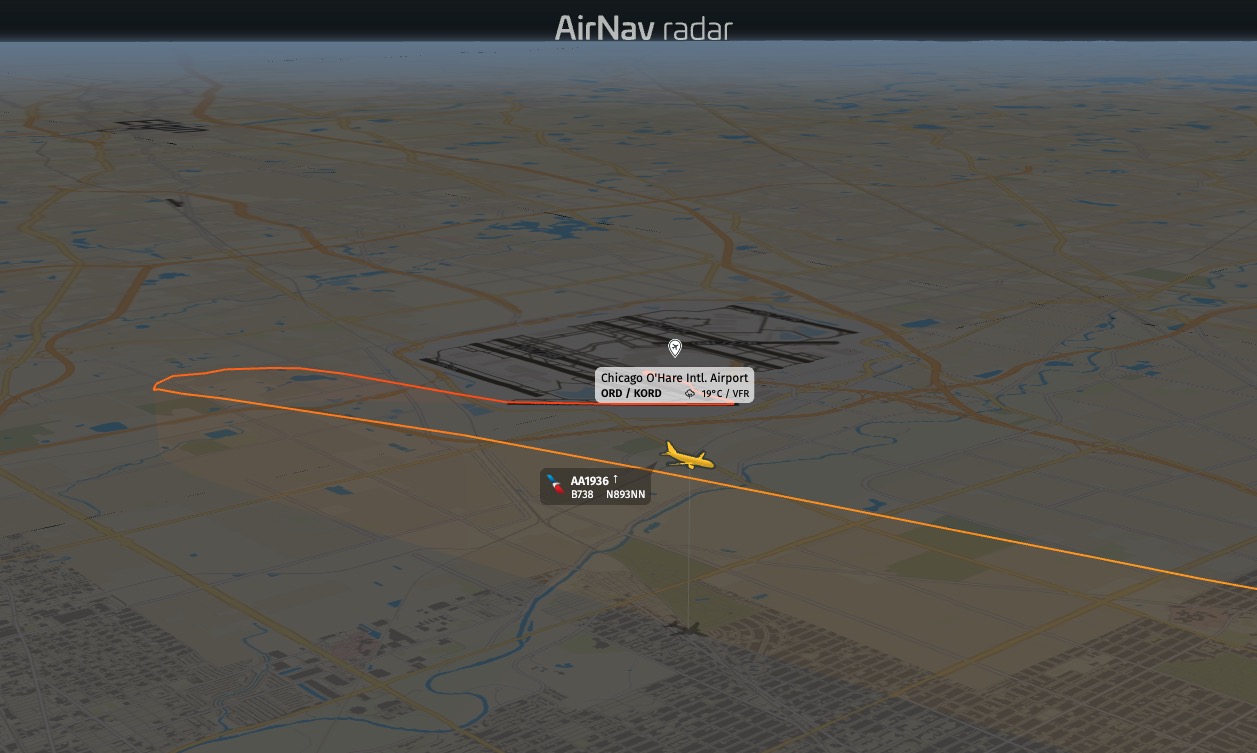
Flight UA330, operated by a 34-year-old Boeing 767 registered as N651UA, departed Washington at 04:30 AM EDT on Saturday, October 10, 2026—running six hours behind its scheduled departure time. The aircraft took off using Runway 30 and commenced its initial climb toward a cruising altitude of 35,000 feet.
Shortly after departure during the climb phase, the flight crew encountered a malfunction with the aircraft’s primary weather radar system. Recognizing the potential operational impacts of crossing the North Atlantic without onboard radar coverage, the pilots promptly radioed United Flight Operations. The crew requested operational personnel to evaluate whether operating without the weather radar restricted or invalidated their pre-planned Extended-range Twin-engine Operational Performance Standards (ETOPS) route segment across the ocean.
ETOPS regulations dictate safety requirements for twin-engine aircraft operating long-distance routes far from diversion airports, where functioning navigation and weather detection systems play a crucial role in avoiding severe convective weather and turbulence over oceanic tracks.
After evaluating the flight conditions, weather reports, and operational requirements with dispatchers, the decision was made to continue the transatlantic passage safely.
The wide-body jet completed the remaining journey across the Atlantic Ocean without further reported incident and landed at Paris Charles de Gaulle Airport (CDG) at 4:45 PM local time. No injuries were reported among the passengers or crew.