


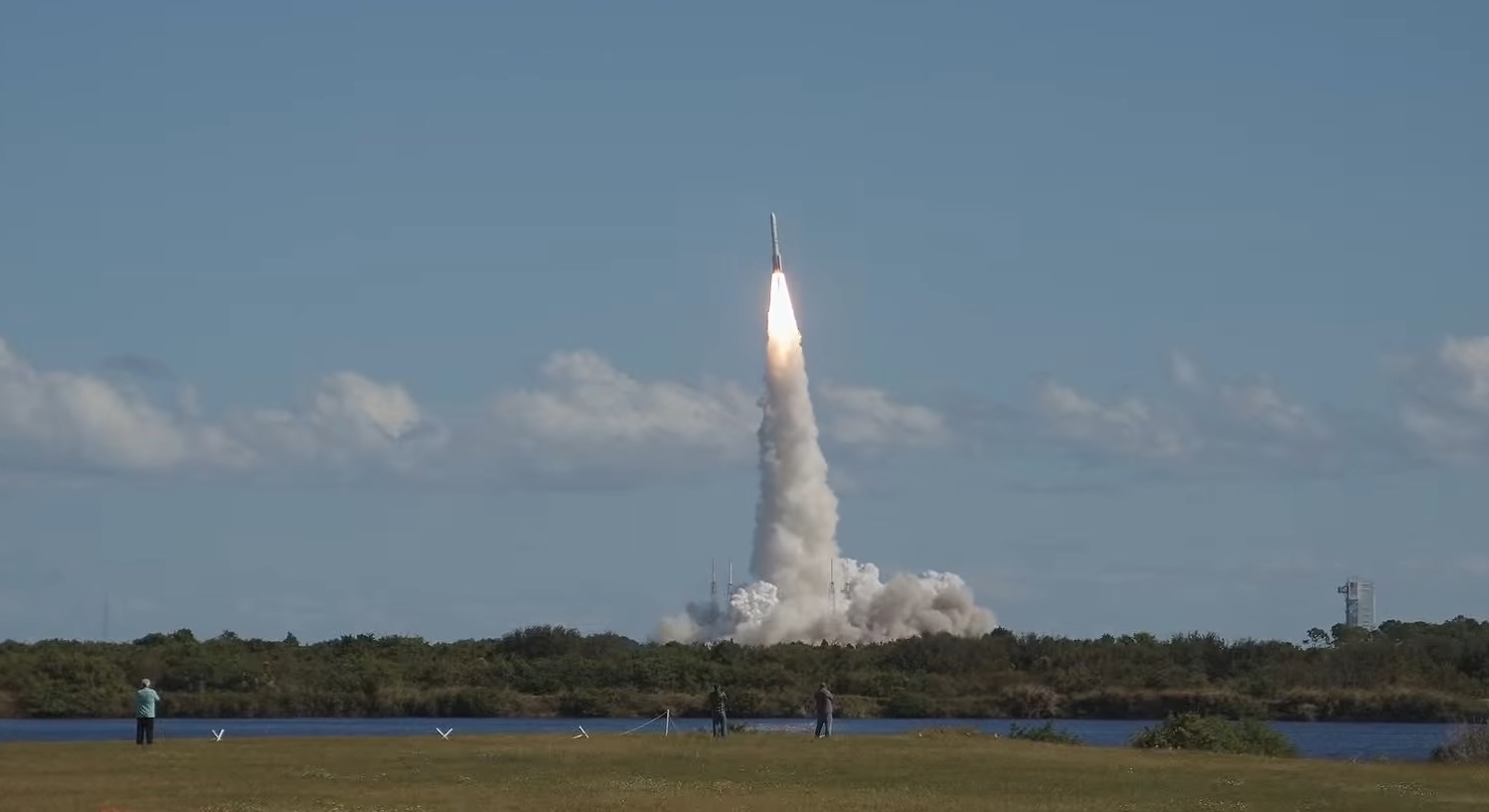
CAPE CANAVERAL, Fla. — In a dramatic blow to the commercial space industry, United Launch Alliance (ULA) suffered its first outright mission failure on Sunday, November 15, when a Vulcan rocket carrying 40 broadband satellites for Amazon’s internet constellation experienced a fatal anomaly roughly 10 minutes after liftoff.
The flight, designated Vulcan Leo 1, blasted off from Space Launch Complex 41 at Cape Canaveral Space Force Station at 12:40 p.m. ET. Powered by six solid rocket boosters and Blue Origin-manufactured BE-4 engines, the rocket appeared to clear initial ascent hurdles before telemetry data flagged a major in-flight anomaly approximately 10 minutes into the mission, preventing the payload from reaching low Earth orbit.
Roughly 50 minutes post-launch, ULA confirmed the total loss of the mission.
A Unblemished Record Broken
The failure marks a watershed moment for ULA. Founded in 2006 as a joint venture between aerospace giants Boeing and Lockheed Martin, the company maintained a flawless 100% mission success record across nearly two decades of operations with its legacy Atlas and Delta rocket lines.
The fifth flight of the next-generation Vulcan vehicle was heavily scrutinized. ULA had spent months working through previous technical hiccups, including solid rocket booster nozzle anomalies that occurred during flights in late 2024 and February of this year. Though those previous missions successfully delivered their payloads, the U.S. Space Force had temporarily paused Vulcan from launching national security missions pending performance data from Sunday’s flight. Furthermore, engineers had recently applied a “retrofit kit” to the rocket’s BE-4 engines following an oxygen valve-related explosion during a May test of Blue Origin’s New Glenn rocket.
While initial telemetry indicated the solid rocket boosters performed cleanly, early observations suggested the vehicle began an unexpected spin shortly around booster and stage milestones, dooming the delivery of the Amazon hardware.

Setback for Amazon’s Leo Constellation
For Amazon, the loss of 40 satellites is a bitter setback in the ongoing race to build out its low Earth orbit (LEO) broadband network—formerly known as Project Kuiper and now branded as Amazon Leo.
Amazon is required to deploy thousands of satellites to complete its global constellation in order to meet strict regulatory deadlines and effectively compete with SpaceX’s entrenched Starlink service.
Despite the setback, Amazon expressed continued confidence in its launch provider. “There is risk with any launch, and that’s especially true for inaugural missions like LV-01” Amazon Leo posted on social media, adding that it views ULA as a trusted partner and believes the company will rigorously investigate and learn from the failure.
Path Forward
An independent mishap investigation board, led by ULA alongside Amazon and regulatory stakeholders, is expected to be convened immediately. ULA has stated that flights will remain grounded until the root cause of the anomaly is fully understood and rectified.
Amazon’s immediate deployment schedule will now pivot toward international partners. Arianespace is currently slated to launch a batch of 36 Amazon Leo satellites aboard an Ariane 6 rocket from Kourou, French Guiana, as early as November 23.