




November 13, 2026 — A widespread Microsoft service outage that began on Thursday has spilled into a second day, causing communication bottlenecks across the global aviation sector and forcing localized flight cancellations and delays as engineers work to fully restore server capacity.
The disruption, which hit users across at least 74 countries starting November 12, crippled access to key Microsoft 365 applications, most notably Exchange Online and Outlook, alongside Microsoft Teams, SharePoint, and Copilot. While Microsoft stated there is no evidence of a cyberattack and attributed the incident to overwhelmed authentication processes and servers failing health checks, the ripple effects have tested the resilience of airlines reliant on cloud-based infrastructure.
Grounded Flights and Operational Bottlenecks
Unlike the catastrophic July 2024 CrowdStrike-related Windows crash that grounded thousands of planes worldwide, the current outage has largely spared core air-traffic and flight-dispatch systems. However, some carriers have still experienced direct schedule disruptions.
In India, budget carrier SpiceJet reported immediate operational impacts at New Delhi’s Indira Gandhi International Airport on Friday morning. The airline was forced to cancel three departures (bound for Pune, Leh, and Mumbai) and delay two additional flights to Darbhanga and Mumbai as internal coordination systems struggled with the outage.
Airlines Scramble to Reroute Customer Support
For most major carriers, the primary battlefield has been passenger communication and back-office coordination rather than the tarmac. With corporate Outlook inboxes offline, several airlines issued urgent travel advisories warning passengers that emailed inquiries and booking updates were delayed or failing to arrive:
- IndiGo: India’s largest carrier confirmed that while its flight operations remained completely unaffected, its email support services were down. The airline urged travelers needing urgent assistance to use alternative channels, including its AI-powered assistant, 6E Skai, on its website and mobile app.
- Air India: The carrier stated that its flights were running on schedule and prevented a customer service blackout by temporarily rerouting incoming email traffic through alternative servers, maintaining its standard 24-hour response window.
- Akasa Air: The low-cost airline alerted customers to email support delays, advising flyers to reach out via its 24-hour call center or social media channels for immediate help.
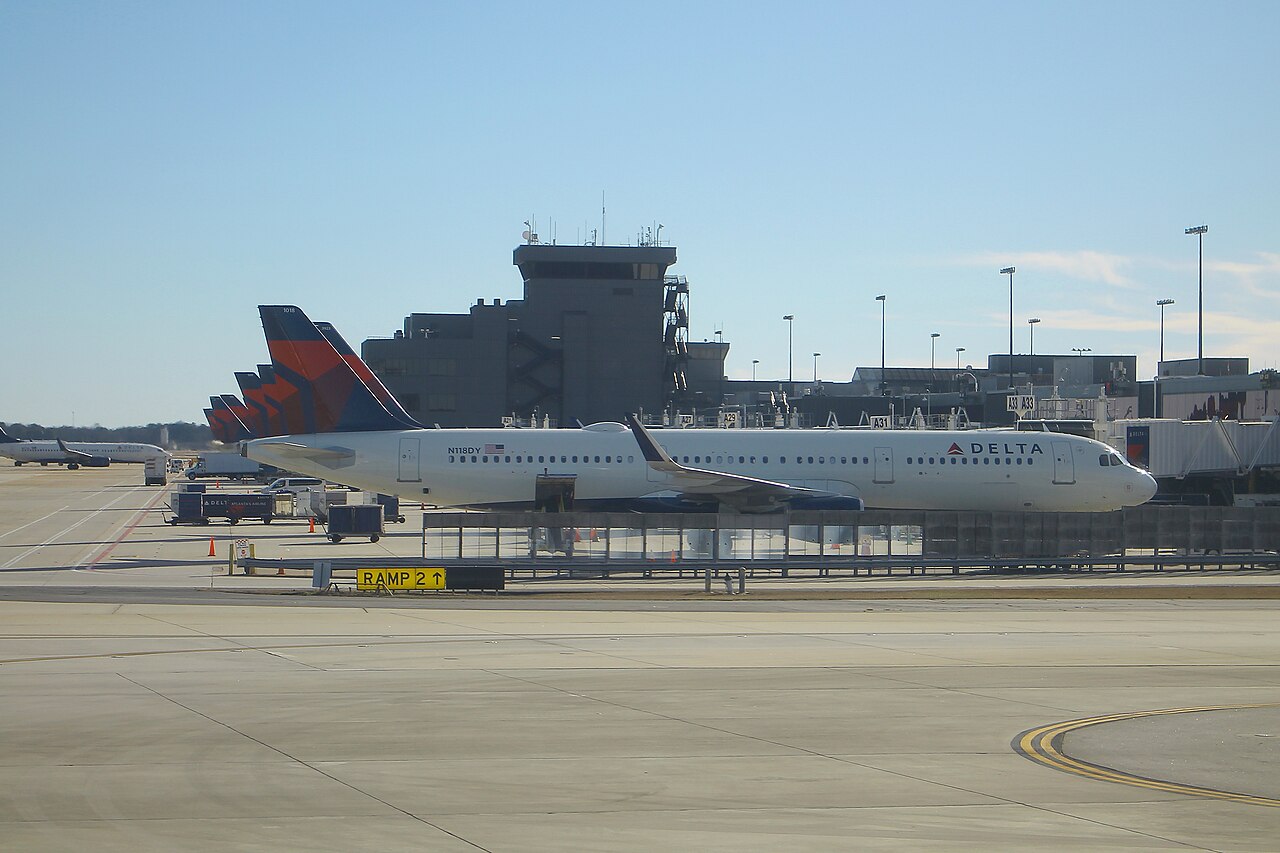
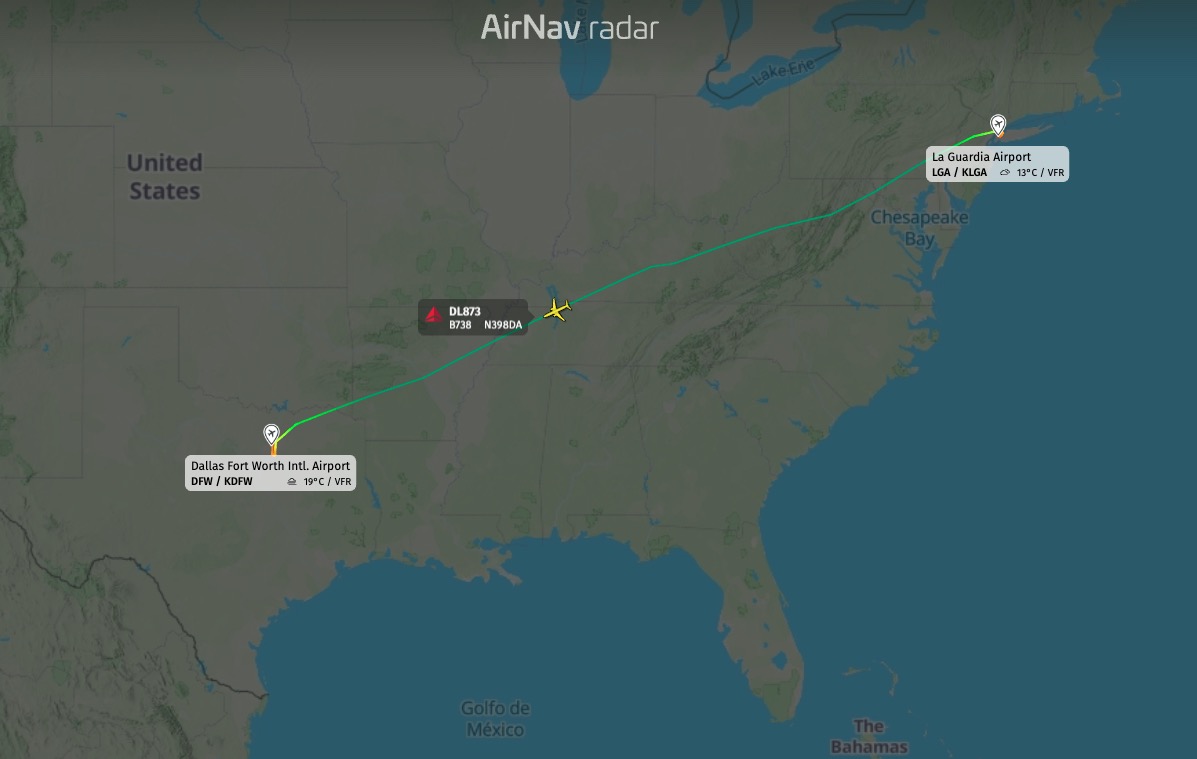
- Delta Air Lines: In the United States, Delta reported that customer-facing services remained intact, though internal staff faced widespread difficulties sending and receiving corporate emails.
Ongoing Recovery and Traveler Advice
Across Europe, North America, and the Asia-Pacific region, travel agencies, hotels, and airport service providers have also flagged lingering delays in processing reservation correspondence, refunds, and last-minute itinerary changes.
As of Friday afternoon, Microsoft reported “encouraging progress” and early signs of server stabilization across Europe and North America after reverting a recent network configuration change. However, the company noted that services remain in a state of degradation and full capacity has not yet returned to baseline. Aviation authorities and airlines continue to advise passengers traveling on November 13 to monitor their flight status directly through official airline mobile apps and airport departure boards rather than relying on email notifications.