


Boeing halts 777X test flights after discovering a critical structural failure in the engine mount.
The issue, identified during a routine post-flight inspection, affects the thrust link component on multiple test aircraft.
The problem first emerged on the third 777-9 test aircraft, WH003, following a flight from Hawaii on August 16. Subsequent inspections revealed cracks in the thrust link structure on other 777-9 test planes.
Boeing confirmed the discovery reported by The Air Current. The company plans to resume flight testing once the problem is resolved.
This setback could potentially impact the 777X program’s timeline and certification process. The thrust link, crucial for transferring engine thrust to the aircraft’s structure, plays a vital role in the plane’s performance and safety.
Boeing shared this update with the FAA on Monday (August 19, 2024).
There are around 481 orders from various airlines across the globe for Boeing 777X.
These developments compound Boeing’s challenges, potentially impacting the 777X’s certification and delivery timeline. The company had previously scheduled deliveries for 2025, already five years behind the original plan.
FAA Mandates 787 Inspection
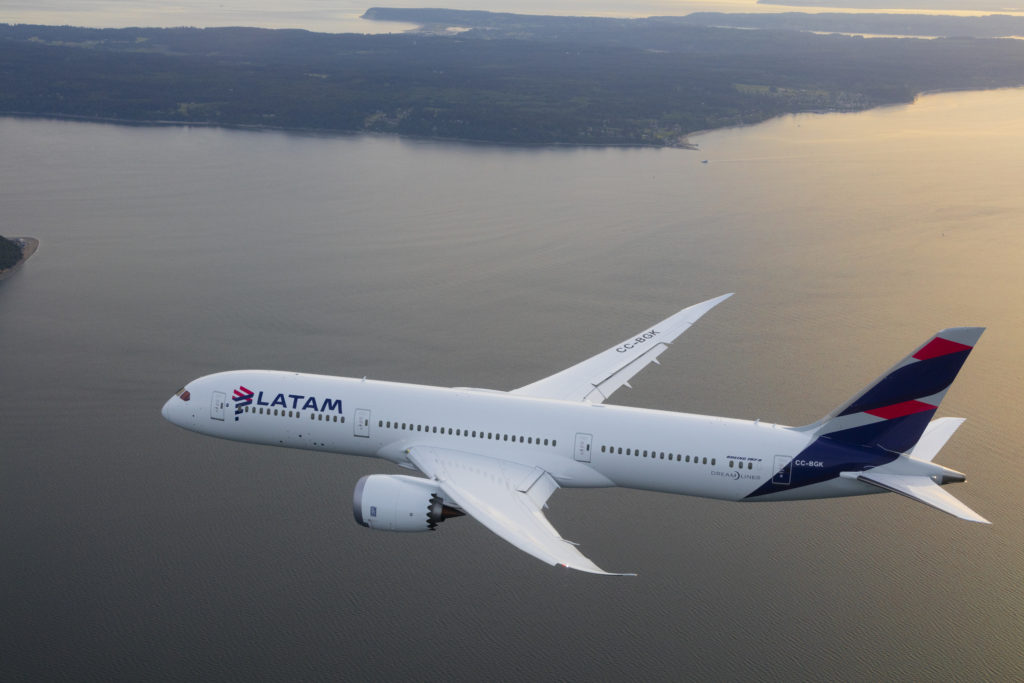
In a separate development, the Federal Aviation Administration (FAA) has mandated inspections for Boeing 787 Dreamliners following a LATAM Airlines (LA) incident in March 2024. The mid-air dive, caused by an unexpected captain’s seat movement, injured over 50 passengers.
The FAA directive impacts 158 U.S.-registered and 737 (not the type) other 787 Dreamliners, encompassing models 787-7, 787-9, and 787-10.
Airlines must inspect captain and first officer seats within 30 days for specific defects and implement necessary corrective actions.
The Airlines awaiting Boeing 777X deliveries may need to reassess their fleet plans, while those operating 787s must allocate resources for immediate inspections and potential repairs.